Prinsu
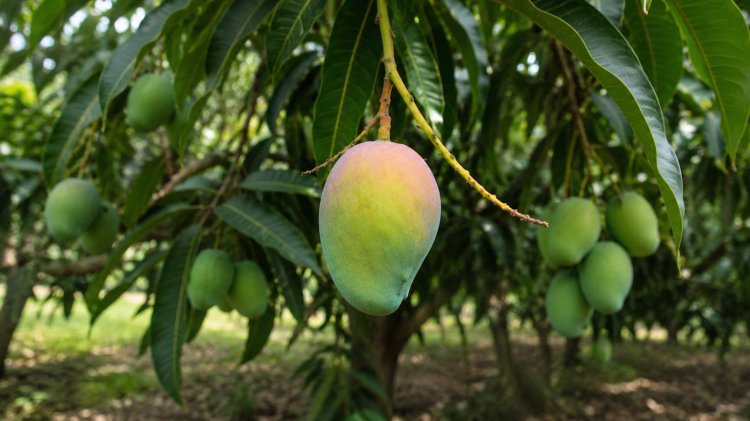
Erratic weather conditions, including untimely thunderstorms and heavy rainfall, have severely damaged mango crops across Uttar Pradesh and Maharashtra this season, raising concerns over lower production, supply disruptions and higher retail prices of popular varieties such as Dashehri and Langra. Farmers say climate related losses during the crucial flowering and fruit development stages have sharply reduced yields, increased cultivation risks and added to financial stress.
In Malihabad, the famous Dashehri mango belt of Uttar Pradesh, farmer Vijay Kumar Singh told Rural Voice that unseasonal rainfall in April damaged flowering and sharply reduced fruit formation this season. Under normal conditions, a mango tree yields around two quintals of fruit, but erratic weather significantly lowered the expected output this year.
He also pointed to rising cultivation and labour costs. Labourers are now being paid nearly Rs 500 per day for fixed working hours from 9 am to 5 pm, even as weather related crop losses continue to mount, further squeezing farmers’ margins.
Yunus, a farmer from the Lucknow region who has been cultivating mangoes on five acres for the past decade, said climate-related damage has been severe this year. He recalled that during last year’s peak arrivals, mangoes were sold in mandis at just Rs 10-15 per kilogram due to excess supply. This season, however, untimely storms and rainfall devastated his orchard, destroying nearly 150-200 quintals of mangoes. Only about 10-12 quintals of the crop survived, he said, adding that changing weather patterns are making mango cultivation increasingly difficult.
Production in Uttar Pradesh to fall by 60 percent
Uttar Pradesh, regarded as India’s largest mango-producing state, harvested around 40 to 44 lakh metric tonnes of mangoes in 2025. However, production prospects this year have deteriorated sharply due to adverse weather conditions. According to S. Insram Ali, President of the Mango Grower Association of India, mango output in the current season may fall to barely 15 lakh tonnes, marking a steep decline from last year’s levels. The sharp drop in production is expected to severely impact the income, livelihoods and market returns of thousands of mango growers across the state.
Shashikant, a Lucknow-based mango trader who supplies mangoes to Rajasthan and neighbouring states, said that last year’s bumper production had forced farmers to sell mangoes at distress prices. He said Andhra varieties were available at comparatively lower rates, while Dashehri continued to remain the most sought-after variety across several states.
However, weather conditions this year have dramatically altered the market situation. According to Shashikant, untimely thunderstorms and rainfall during April-May severely affected the crop. He pointed out that last year Langra mangoes were selling in local fruit markets at around Rs 60-70 per kilogram, but prices are expected to remain significantly higher this season due to reduced production.
Market trends shared by farmers and traders indicate a sharp rise in mango prices this season due to lower production and disrupted supplies. In 2025, Dashehri were sold in mandis at around Rs 16-18 per kilogram, but prices in 2026 are expected to rise to Rs 24-26 per kilogram. Langra had traded between Rs 23 and Rs 25 per kilogram last year, while Chausa varieties were priced at Rs 34-37 per kilogram. With output declining this season, market prices are expected to climb in the coming weeks.
Maharshtra growers facing erratic weather as well as fungal infection
In Maharashtra, Anand Desai, a third generation mango grower from Ratnagiri, said repeated cyclones over the past decade have severely affected mango cultivation in the coastal region. He noted that mango farming was once consistently profitable, but climate change is now disrupting production almost every year. While growers are still earning profits, their margins have been shrinking steadily with each passing season.
He explained that Alphonso mangoes follow an alternate bearing cycle, with one season witnessing high production and the following year recording comparatively lower yields. On average, a farmer can harvest nearly 5,000 mangoes from one acre over a two-year cycle.
Desai also pointed to unusual flowering patterns this season. Excessive blooming of male flowers during January reduced fruit setting and adversely affected overall mango development. Heatwaves and erratic weather conditions further impacted fruit quality and survival, while fungal infections damaged crops in several orchards.
According to Desai, Ratnagiri alone produces nearly 1.5 lakh tonnes of mangoes in a normal season. Of this, around 30,000 tonnes are supplied to canning units for mango based products, while nearly 40,000 tonnes are transported to markets outside the state. The remaining produce is traded through major wholesale markets such as Vashi, Pune and Valsad in Gujarat.
Market prices have also witnessed extreme volatility this season. Under normal and favourable weather conditions, a premium petti (box) of Alphonso mangoes can fetch nearly Rs 15,000 in the market. However, repeated storms, heatwaves and crop losses this year caused prices in several markets to crash to nearly Rs 2,000 per petti, reflecting the severe disruption in both quality and supply.
Fading hopes of exports
Mango exports, too, have come under pressure. Dr Vivek Bide, chairman of the Kokum Alphonso Mango Growers and Sellers Co-operative Society, told Rural Voice that the mango trade is still recovering from the economic disruptions caused by the COVID-19 pandemic. He added that ongoing geopolitical tensions involving Israel, Iran and the United States have further disrupted transportation routes and export logistics, affecting overseas trade.
India produces nearly 240 lakh tonnes of mangoes annually, with the bulk of the produce consumed in the domestic market. As per data available with APEDA, in 2024-25 India exported 29,938 metric tonnes of mango having value of 56.50 million USD. Major Export Destinations were the United Arab Emirates, The USA, UK, Kuwait and Qatar. But this year mango exporters are facing severe disruptions due to the ongoing conflict in the Middle East, which has affected logistics, cargo movement and market demand.
The situation has worsened further after Japan temporarily halted mango imports from India. India exports premium mango varieties such as Alphonso, Langra, Kesar and Banganapalli to Japan, a high-value market known for strict quality standards and strong consumer demand for Indian mangoes.
According to S. Insram Ali, President of the Mango Grower Association of India, Japan imposed a ban on Indian mango imports on Monday, dealing a major blow to mango farmers and exporters. He said growers were already facing heavy losses caused by unseasonal storms and erratic weather during May, which severely damaged the crop.
Ali added that apart from the restrictions imposed by Japan, the ongoing conflict in the Middle East has disrupted exports to key markets such as Dubai, the UAE and Oman, further deepening the crisis for traders and exporters.
Farmers say increasing expenses on labour, transportation and crop management, coupled with repeated weather related losses, are making mango cultivation less viable with every passing season. Many growers are uncertain whether they will even recover their production costs this year. Consumers may also have to bear the impact through higher prices and limited availability. But for farmers, the bigger concern is the long-term sustainability of mango cultivation, as changing climate patterns continue to make production increasingly unpredictable and difficult.