
Mother Dairy and Amul Raise Milk Prices by Up to Rs 6 per Litre
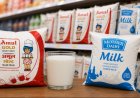
Mother Dairy and Amul have increased milk prices by Rs 2-6 per litre from November 12, citing lower milk availability and a 20-25 per cent rise in fat prices. The unusual price hike during the flush season raises questions about actual milk production and the reliability of official government estimates.

 Join the RuralVoice whatsapp group
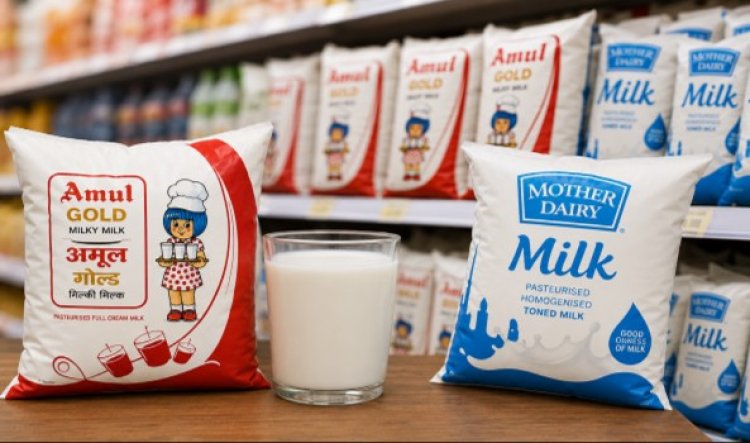
Milk prices charged by Mother Dairy, one of India's largest dairy companies, and the Gujarat Cooperative Milk Marketing Federation (GCMMF), which markets dairy products under the Amul brand, will increase by up to Rs 6 per litre from November 12. The hike comes amid declining milk availability and a sharp rise in fat prices. Although no official statement regarding price hikes has been issued by Mother Dairy or Amul yet, industry sources indicate that an official announcement in this regard will be released by this evening.
According to industry sources, the price of toned milk is being increased by Rs 2 per litre. Full cream milk containing 6 per cent fat will become costlier by Rs 4 per litre, while full cream buffalo milk with 6.5 per cent fat will see an increase of Rs 6 per litre. The revised prices will come into effect from midnight on November 12.
Following the revision, the price of toned milk dispensed through bulk vending machines in Delhi-NCR will rise from Rs 58 to Rs 60 per litre. Full cream packaged milk will cost Rs 76 instead of Rs 72 per litre, while packaged toned milk will become costlier from Rs 60 to Rs 62 per litre. Buffalo milk with 6.5 per cent fat will now cost Rs 86, against the earlier price of Rs 80 per litre.
Mother Dairy has also increased the price of its double toned milk from Rs 54 to Rs 56 per litre. Cow milk will now cost Rs 65 per litre, up from Rs 62.
The price increase is particularly significant because it comes during the flush season, when milk production and supplies generally rise, often putting downward pressure on procurement prices paid to farmers. However, this trend appears to have been reversed. The growth in milk production reflected in official government statistics does not seem to match the ground situation.
To arrest the decline in milk collection and encourage farmers to increase production, dairy companies have raised procurement prices. Amul has increased the rate paid to farmers to Rs 1,000 per kg of fat, which translates into a milk procurement price of more than Rs 60 per litre for dairy farmers.
Milk shortages over the past few months have also pushed up fat prices by 20-25 per cent. This has resulted in higher prices for packaged ghee, with one-litre packs of leading brands now selling for around Rs 730-740.
The dairy industry maintains that rising cattle feed costs have increased farmers' production expenses, making higher procurement prices necessary. This has also contributed to the increase in consumer prices.
Contrary to the government's claims, milk productivity per milch animal is reportedly declining, directly affecting overall milk availability. The shortage has also pushed up the cost of milk fat. When fresh milk supplies fall short, dairy companies generally use a combination of milk powder and fat to prepare liquid milk and maintain supplies. However, the sharp rise in fat prices has made this alternative more expensive as well.
As a result, dairy companies have had little choice but to increase retail prices. The latest revision is possibly among the first instances of such a substantial simultaneous increase of Rs 4-6 per litre across different milk categories.
Earlier, Karnataka's cooperative dairy brand Nandini had raised milk prices by Rs 8 per litre. Despite this increase, toned milk in the state continues to cost Rs 54 per litre, as the state government provides subsidies to farmers.
The current supply situation has also brought official government estimates of milk production under scrutiny. Despite the completion of the latest livestock census, the government has not yet released its findings. Industry sources apprehend that the number of milch animals in the country may have declined.