
EU clears path for landmark Mercosur trade deal amid mounting farmer protests across Europe
The European Union has provisionally approved the EU–Mercosur free trade agreement, clearing the way for the bloc’s largest-ever trade pact. While the European Commission highlights export gains and reduced reliance on China, farmers across Europe are protesting, warning that cheaper South American agricultural imports could hurt livelihoods and undermine environmental and food safety standards.

 Join the RuralVoice whatsapp group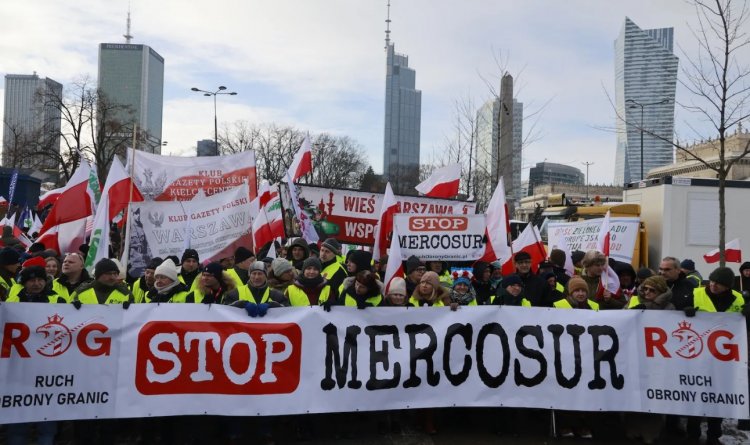
The European Union has moved a decisive step closer to sealing its largest-ever free trade agreement after member states provisionally approved the signing of the long-delayed EU–Mercosur trade pact, even as coordinated farmer protests intensified across several European capitals, underscoring deep political and economic fault lines over the deal.
On January 9, EU governments gave the green light for the formal signature of the comprehensive partnership and trade agreement with the Mercosur bloc - comprising Brazil, Argentina, Uruguay and Paraguay - paving the way for a treaty that has been nearly two decades in the making. Once implemented, the agreement would create one of the world’s biggest free trade areas, covering a market of more than 700 million people.
Tariffs to go down
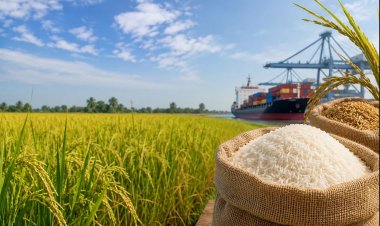
The agreement aims to dramatically reduce tariffs on both sides. Mercosur countries will eliminate duties on 91% of EU exports over up to 15 years, including steep levies of up to 35% on cars. In return, the EU will phase out tariffs on 92% of Mercosur exports over a period of up to 10 years. The deal also opens agricultural markets, with Mercosur removing high duties on EU wines and spirits, while the EU offers expanded import quotas for sensitive farm products such as beef, poultry, sugar, ethanol, rice and honey.
For the European Commission, the agreement is a cornerstone of its strategy to diversify trade ties at a time of heightened geopolitical tension. Officials argue that closer economic integration with South America will reduce the EU’s dependence on China, particularly for critical raw materials such as lithium used in electric vehicle batteries. The Commission estimates that the deal will remove more than €4 billion in tariffs on EU exports annually and give European companies access to public procurement contracts in Mercosur countries on equal footing with local firms - an unprecedented concession from the bloc.
Supporters, including Germany and Spain, also view the deal as a buffer against rising global trade uncertainty, including tariffs imposed by the United States. They stress that Mercosur already exports significant volumes of agricultural products to the EU and that existing imports demonstrate compliance with European standards.
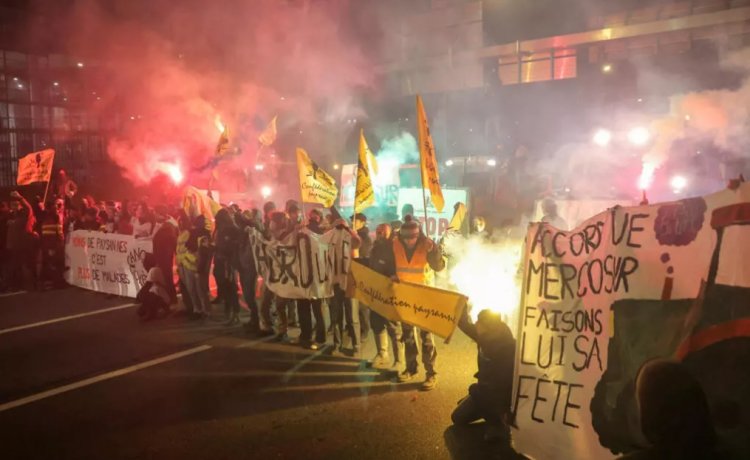
Framers protesting on the roads of France.
Opposition from European farmers
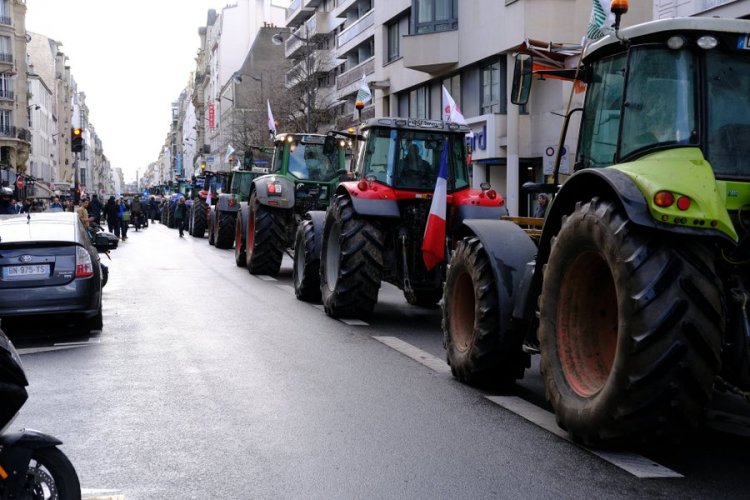
However, the agreement has triggered fierce opposition from European farmers, environmental groups and several national governments, with protests escalating as the approval process advances. In France, farmers drove tractors into Paris this week, blocking key roads and staging demonstrations near government buildings. Similar protests have erupted in Belgium, Italy and parts of Eastern Europe, coordinated by farming unions who warn that the deal threatens their livelihoods.
Why farmers are furious
Farmers argue that increased imports of South American beef and poultry - produced at lower costs - will undercut EU producers already struggling with high input prices, climate pressures and stricter environmental rules. Although the additional imports represent a relatively small share of EU consumption - about 1.6% for beef and 1.4% for poultry - farm groups say even limited volumes could depress prices in an already fragile market.
Environmental organisations have also voiced strong concerns, accusing the EU of prioritising trade over climate commitments. While the agreement includes pledges to prevent further deforestation after 2030, critics say these provisions lack enforceable mechanisms. Groups such as Friends of the Earth have labelled the pact “climate-wrecking”, warning it could accelerate deforestation in the Amazon as Mercosur countries expand agricultural production for export.
Political opposition in EU
Political resistance within the EU has been significant. France, the bloc’s largest beef producer, has flatly rejected the agreement, arguing that it fails to adequately protect European farmers. Italy, Hungary and Poland had also expressed opposition, raising fears that the deal could be blocked. However, Italy softened its stance during final negotiations, allowing the agreement to clear the required threshold for provisional approval.
Precautionary measures by the EU
To win over sceptical member states, the European Commission has introduced a series of safeguards. Preferential access for sensitive farm products can be suspended if imports surge or prices fall sharply in one or more EU countries. The trigger threshold for intervention has been lowered from 8% to 5%, following pressure from Italy. The Commission has also pledged to tighten import controls, increase audits in exporting countries and examine closer alignment of production standards, particularly on pesticides and animal welfare.
In addition, the EU plans to deploy financial backstops to reassure farmers. A €6.3 billion crisis fund in the next EU budget could be activated if agricultural markets are disrupted, alongside the early release of €45 billion in farm support. The Commission has also announced cuts to import duties on certain fertilisers, whose costs have surged by up to 60% in recent years.
Despite these measures, opposition remains intense, and ratification is expected to be politically fraught. The agreement still requires approval by the European Parliament and, potentially, national parliaments, setting the stage for prolonged debate.
As Brussels pushes ahead, the EU–Mercosur deal has become a flashpoint in a broader struggle over the future of European agriculture, trade policy and climate responsibility—one that is likely to shape the continent’s political landscape well beyond the signing ceremony.