
Fertilizer Stocks Higher Than Last Year, But Prolonged War May Trigger Supply Crisis as Urea Output Falls
The conflict between Iran and US–Israel has begun affecting India’s fertilizer sector by disrupting gas supplies and forcing companies to cut urea production by 7-8%. Although stocks of urea and DAP remain higher than last year, prolonged disruption in imports from West Asia could tighten supplies and push prices higher in the coming weeks.

 Join the RuralVoice whatsapp group
The ongoing conflict between Iran and the US–Israel has started affecting fertilizer production in India. However, stocks of most fertilizers, including urea and di-ammonium phosphate (DAP), are currently higher than last year. Industry sources say that if the war continues for another week, the country could face a fertilizer supply crisis.
India depends heavily on Gulf countries for fertilizers and key raw materials such as natural gas, potash and phosphates. Imports from the region have been disrupted due to the conflict. As a result, gas supplies to fertilizer plants have been affected, leading some companies to cut urea production by around 7-8 percent.
Industry sources told Rural Voice that there is no immediate shortage because fertilizer stocks at the end of February 2026 were higher than those in February 2025. This is despite the fact that fertilizer consumption has increased significantly this year.
According to the sources, gas supplies have fallen by more than 10 percent because of the conflict. This has forced several urea plants to scale back production. If the disruption continues for another week, fertilizer availability could begin tightening across the country.
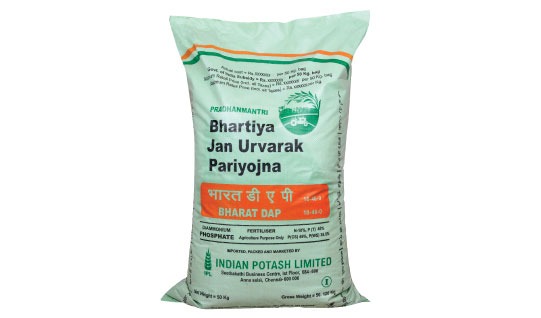
At the end of February 2026, India’s urea stocks stood at 5.5 million tonnes compared with 4.9 million tonnes during the same period last year. The situation is even more comfortable in the case of DAP. Stocks reached 2.5 million tonnes at the end of February this year, nearly double the 1.3 million tonnes recorded a year earlier.
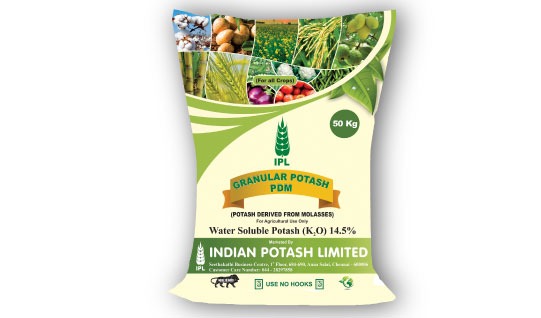
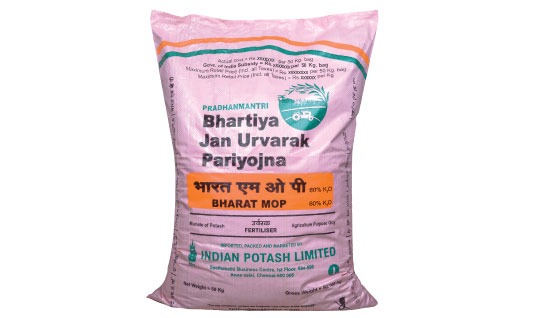
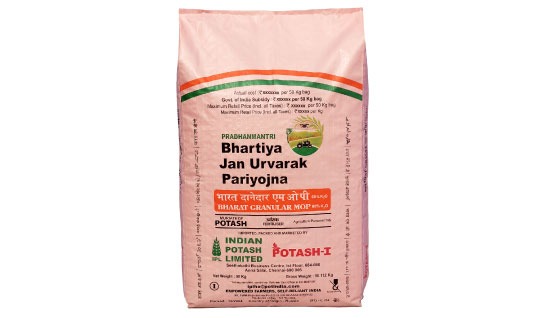
However, stocks of Muriate of Potash (MOP) were lower at 1.29 million tonnes compared with 1.5 million tonnes in February last year.
Among complex fertilizers, the situation is stronger. NPK stocks stood at 5.4 million tonnes at the end of February 2026 compared with 3.2 million tonnes last year. Stocks of Single Super Phosphate (SSP) also increased to 3.2 million tonnes from 2.2 million tonnes during the same period.
These higher stock levels have been maintained despite a sharp rise in fertilizer demand. Urea sales have increased by around 9 percent this year, DAP sales by 21 percent and NPK sales by 11.9 percent compared to the previous year.
Meanwhile, global prices of DAP had already begun rising before the war, reaching about $740 per tonne. India imports fertilizers, raw materials and gas from several West Asian countries including Saudi Arabia, Morocco, Jordan and Oman. China, one of the largest exporters of DAP, has already suspended exports.
India has signed a long-term supply agreement for DAP with Saudi Arabia’s fertilizer company Ma’aden, but current geopolitical tensions have made imports uncertain. The country also has a long-term agreement with Russia, though supplies from there are expected only by mid-April.
Industry experts say the conflict will inevitably push fertilizer prices higher in global markets. To shield farmers from rising prices, the government may need to increase fertilizer subsidies.
India’s annual fertilizer consumption is around 65 million tonnes. Urea accounts for nearly 40 million tonnes of this demand, while DAP consumption is about 10 million tonnes. The rest is made up of other complex fertilizers.
The fertilizer industry is closely monitoring developments. According to sources, the next 7-10 days will be critical in determining whether the situation stabilises or supply pressures intensify.
A similar situation was seen four years ago when Russia invaded Ukraine in February 2022, triggering a sharp surge in global fertilizer prices and forcing the government to increase subsidies. This time, however, the concern is not just prices. If the conflict continues, timely imports could become a serious challenge for the country.