
From Soil to Software: How AI is Redefining the Future of Farming
Artificial Intelligence is transforming Indian agriculture by combining traditional wisdom with modern data tools. From sugarcane farms to rice fields, AI optimizes yields, reduces input costs, and ensures sustainability through precision farming, satellite monitoring, and generative AI chatbots. By turning soil data into actionable insights, AI empowers farmers to boost productivity and build a resilient Agricultural Bharat.

 Join the RuralVoice whatsapp group
In India's huge farming areas, where rain and hard work have always decided the crops, a new change is happening quietly. From the rich lands of Punjab to the sugarcane farms in Maharashtra, artificial intelligence (AI) is mixing old farming knowledge with new technology. As someone who studies data, we look at how AI, using machine learning (ML) and data tools, is improving crops and changing the whole farming system. With problems like changing weather and more people needing food, AI gives hope. It turns normal soil into smart setups and data into money. This is the story of AI-powered Agricultural Bharat, where innovation meets the earth to feed a billion dreams.
Data Science and Agri-Industrial Optimization
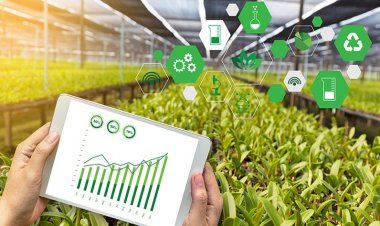
Farming has always had lots of data but not enough useful ideas from it. Farmers use family knowledge, weather signs, and gut feelings to decide things. Now, data tools help pull out helpful info from big sets of data. In India, where more than half the workers are in farming, these tools make farming better from planting seeds to selling crops. By analysing soil health metrics, historical yield data, and market trends, data scientists build predictive models that forecast crop performance with unprecedented accuracy. For instance, ML algorithms process terabytes of data from sensors, drones, and satellites to recommend precise planting schedules, reducing waste and boosting efficiency.
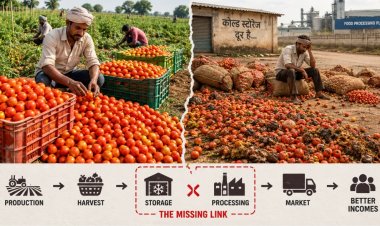
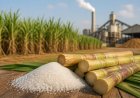
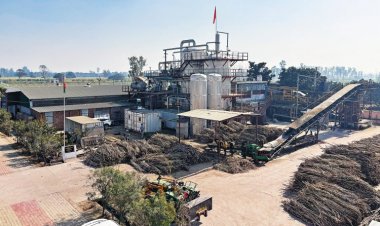
This optimization extends to the Agri-industrial sector, where supply chains are notoriously fragmented. AI-driven platforms integrate data from farms, warehouses, and markets to streamline logistics. In India's sugar industry, for example, AI helps mills by guessing when raw materials will come based on harvest times, which reduces stops and energy use. Such optimizations not only cut operational expenses but also enhance sustainability, aligning with the government's vision of a digitally empowered Bharat.
AI for Increasing Yields and Maximizing Profits
The main way AI helps is by letting farmers grow more crops and earn more. ML models learn from data like weather changes, bug problems, and soil nutrients to give personal tips. Farmers can put their field info into phone apps, and AI gives advice on seed types, fertilizer use, and bug control. This exact farming lowers costs for things like supplies, which are often the biggest expense, while raising the amount grown. Studies say AI can boost crops like rice, wheat, and sugarcane by 15-20%, leading to more money in village areas.
"In the symphony of silicon and soil, AI leads a harvest where every byte blooms into boundless bounty,"
Case Study: AI Optimization in Sugarcane Farming
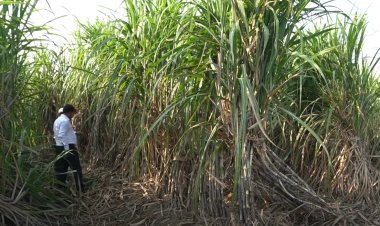
Take sugarcane farming, a key part of India's Agri-economy, as a prime example. India is the world's second-largest sugarcane producer, yet challenges like erratic weather, soil degradation, and suboptimal practices plague yields. AI leverages satellite imagery from sources like ISRO's EOS series to monitor fields in real-time. These images, processed through computer vision and ML algorithms, detect variations in vegetation indices like NDVI (Normalized Difference Vegetation Index), predicting fertilization cycles with pinpoint accuracy. For instance, if satellite data reveals nitrogen deficiencies in patches of a field, AI recommends targeted urea applications, avoiding blanket fertilization that wastes resources and harms the environment.
Irrigation patterns can also improvise. By integrating satellite data with IoT sensors measuring soil moisture, AI forecasts water needs, optimizing drip or sprinkler systems to conserve precious groundwater—a critical issue in water-stressed regions like Uttar Pradesh. Crop maturity prediction is another game-changer; ML models analyse growth stages from imagery, advising harvest timings to ensure peak sucrose content. Weather forecasts, fused with AI, mitigate risks: if a cyclone is predicted via AI models, farmers receive alerts to harvest early or apply protective measures, slashing losses from 20-30% in extreme events.
AI-driven recommendations go further by improving sugarcane quality. Algorithms analyse historical data on sucrose accumulation, correlating it with variables like temperature, humidity, and nutrient balances. By suggesting the right plant spacing or natural fertilizers, AI can boost sucrose percentages by 5-10%, leading to premium-grade cane. This not only fetches better prices for farmers but elevates sugar production efficiency in mills. Moreover, improved quality enhances by-products like bagasse (for bioenergy) and molasses (for ethanol), creating additional revenue streams.
"AI pulls knowledge from weather and plants, turning simple fields into strong places of success."
Generative AI and Generative Vision
Generative AI is making knowledge easy for Indian farmers. With the chatbots powered by LLM, customized for farmers and agriculture, break down complex concepts in local languages such as Hindi, Tamil, or Marathi. A farmer in Bihar can query, "Kya mera khet mein nitrogen ki kami hai?" (Is there nitrogen deficiency in my field?), and receive simple explanations with visuals, drawing from vast agricultural databases. This bridges the literacy gap, empowering smallholders who lack access to extension services.
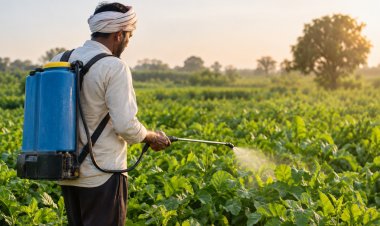
Generative vision with large vision models takes this a step further by identifying visual patterns in crops. Drones or smartphone cameras capture images, and AI algorithms detect insects like the top bugs in sugarcane or abnormalities such as plant dying from fungal infections. Early detection enables targeted interventions, reducing pesticide use by 30-40% and preserving beneficial insects. These precautions maintain soil quality by preventing over-chemicalization, which erodes microbial health. In AI-powered Agricultural Bharat, sustainable practices like these ensure long-term fertility, combating issues like salinization in Punjab's fields.
"Like a watchful protector of plants, AI reads the signs from leaves, making sure every crop tells stories of win"
Challenges and the Path Forward
Yet, challenges remain. Data privacy, data collection and infrastructure gaps in remote areas, and the need for farmer training must be addressed. Initiatives like the Digital Agriculture Mission under the Indian government are important, promoting AI tools through Krishi Vigyan Kendras.
As we stand on the cusp of this revolution, AI is not replacing the farmer's work but enhancing it. From soil sensors to software dashboards, it's forging a resilient, profitable future. In AI-powered Agricultural Bharat, every byte of data sows seeds of progress, ensuring that India's farms thrive for generations. The journey from soil to software is just beginning—let's cultivate it together.
(The writer is Data Scientist, Findability Sciences)