
India Eyes Ethanol Exports After Achieving 20% Blending Target: Nitin Gadkari at BioEnergy Expo 2025
At the India BioEnergy & Tech Expo 2025, Union Minister Nitin Gadkari urged India to embrace ethanol exports after achieving 20% ethanol blending in petrol.

 Join the RuralVoice whatsapp group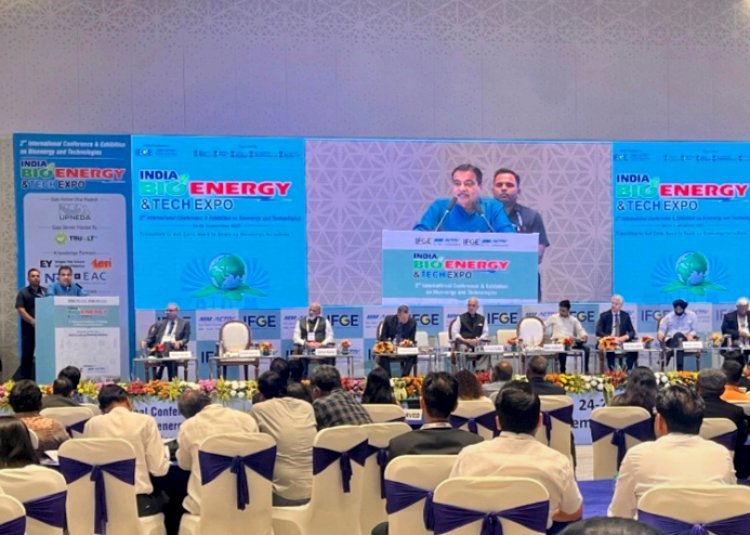
Union Minister for Road Transport and Highways, Nitin Gadkari, has urged India to gear up for ethanol exports after achieving its ambitious 20% ethanol blending target in petrol. Speaking at the 2nd International Conference and Exhibition on Bioenergy and Technologies during the India BioEnergy & Tech Expo 2025 in New Delhi, Gadkari said surplus ethanol production has positioned India to emerge as a global biofuel leader.
“It is the time for India’s futuristic development. We need to reduce our imports and increase our exports. As far as the surplus of ethanol, it is now the requirement of the country that we need to export ethanol,” he said, highlighting biofuels as central to India’s energy transition and economic growth.
According to official data, India’s ethanol production capacity touched 1,822 crore litres annually by June 30, 2025, supported by sugarcane-based molasses and grain feedstocks like maize and rice. The Ethanol Blended with Petrol (EBP) programme has already achieved an average 19.05% blending in the ongoing Ethanol Supply Year (ESY) 2024–25, keeping the country on track to fully meet the 20% target in ESY 2025–26.
Gadkari emphasized that ethanol policies are directly boosting rural incomes. “Farmers now earn ₹45,000 crore more annually because of ethanol. Diversifying agriculture towards energy is the need of the hour,” he said, citing maize-based ethanol as a successful case.
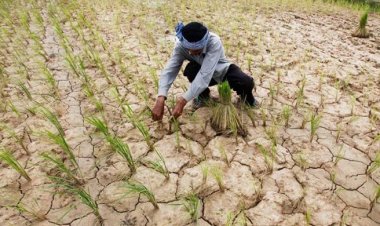
The minister also announced major initiatives to convert rice straw into ethanol and bio-CNG, aimed at curbing stubble burning and easing Delhi’s winter pollution. With 500 plants under development, rice straw will be transformed from waste into a valuable source of energy, he added.
Drawing parallels with Brazil’s ethanol success story, Gadkari underlined India’s rapid advances in ethanol-powered generators, flex-fuel vehicles, and bio-bitumen roads. Automakers including Toyota, Tata, Mahindra, Suzuki, and Hyundai, along with tractor and construction equipment manufacturers, are investing in biofuel and hydrogen technologies.
Looking to the future, Gadkari highlighted green hydrogen and sustainable aviation fuel (SAF) as India’s next energy frontiers, with pilot projects already underway. “Nearly 40% of air pollution in India is caused by transport fuels. At the same time, we import fossil fuels worth ₹22 lakh crore annually. It is time for the world and India to embrace alternatives like ethanol, bio-CNG, and SAF,” he said.
Reassuring industry leaders, Gadkari confirmed that the government will continue supporting alternative fuels to cut pollution, reduce fossil fuel imports, and generate rural employment.
“Under Prime Minister Modi’s leadership, India has not only achieved 20% ethanol blending but also laid the foundation for a cleaner, self-reliant energy future,” he added.