
Trump Imposes New 10% Global Tariff, Says No Change to India-US Deal
The Supreme Court of the United States struck down Donald Trump’s sweeping global tariffs. Within hours, Trump imposed a fresh 10% global tariff for 150 days. He said the move would not affect the India-US interim trade deal.

 Join the RuralVoice whatsapp group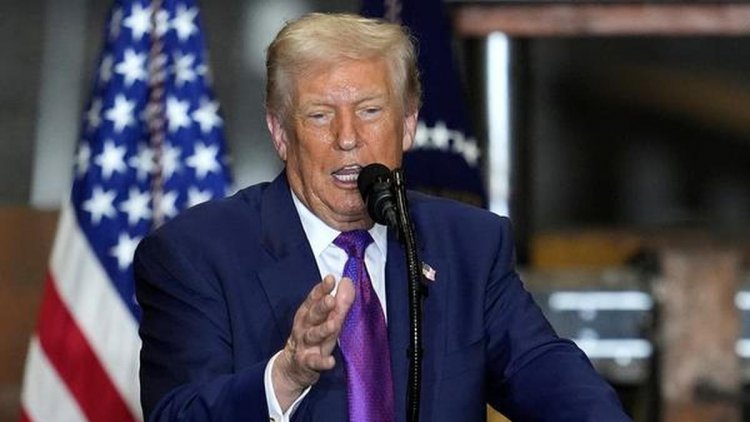
In a landmark decision reshaping US trade policy, the Supreme Court of the United States on Friday struck down former President Donald Trump’s sweeping global tariffs, ruling 6–3 that he had exceeded his authority by invoking emergency powers to impose import taxes on goods from nearly every country.
Within hours of the verdict, Trump announced a fresh 10 per cent global tariff, calling the ruling “deeply disappointing” and “terrible”, and criticising the justices who ruled against him. The new levy will take effect on 24 February and remain in force for 150 days.
The verdict represents a significant setback to Trump’s second-term economic agenda and revives debate over the limits of presidential authority in trade matters. Reacting sharply, Trump accused certain justices of lacking the courage to act in the national interest and vowed to pursue “very powerful alternatives”
New Tariff Under Section 122
In response, Trump signed a proclamation invoking Section 122 of the Trade Act of 1974, a rarely used provision that allows the president to introduce import surcharges of up to 15 per cent for 150 days to address balance-of-payments concerns. Any extension beyond that period would require congressional approval.
The White House described the 10 per cent “temporary import surcharge” as necessary to address “fundamental international payments problems” and rebalance US trade relationships.
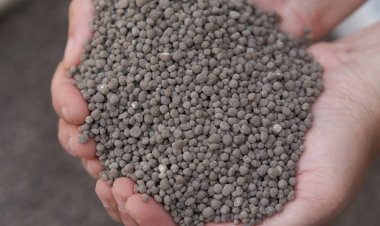
A fact sheet outlined exemptions for certain critical minerals, natural resources, fertilisers, pharmaceuticals, selected electronics, specific vehicles, aerospace products and some agricultural goods such as beef and oranges. Canada and Mexico will retain exemptions under the US-Mexico-Canada Agreement.
Impact on India
The ruling and the subsequent 10 per cent global tariff have direct implications for India. Earlier, Washington and New Delhi had agreed on an interim trade framework under which the US reduced tariffs on Indian goods to 18 per cent from a previously announced 50 per cent. In return, India agreed to eliminate or reduce tariffs on a wide range of US industrial and agricultural products.
These include dried distillers’ grains, red sorghum for animal feed, tree nuts, fresh and processed fruits, soybean oil, wine and spirits, along with several industrial goods.
Following the Supreme Court’s decision, India will now face the new universal 10 per cent tariff instead of the 18 per cent rate outlined under the interim arrangement.
Speaking at the White House, Trump said the court’s ruling would not alter the India-US trade deal, which is expected to be signed by the end of March. He praised Prime Minister Narendra Modi and described the revised arrangement as a “fair deal”.
“Nothing changes. They'll be paying tariffs, and we will not be paying tariffs. This is a reversal of what it used to be,” Trump said, asserting that the agreement had corrected what he characterised as an imbalance in trade relations.
Rahul Gandhi criticised PM Modi
In India, the development triggered political reactions. Leader of Opposition in the Lok Sabha Rahul Gandhi criticised Prime Minister Modi over the trade negotiations. In a post on X, Gandhi wrote: “The PM is compromised. His betrayal now stands exposed. He can’t renegotiate. He will surrender again.”
As the 150-day window for the temporary tariff begins, attention now turns to the US Congress and whether lawmakers will move to extend, modify or block the new surcharge regime. Meanwhile, global markets and trading partners brace for further volatility in US trade policy.