
Industry Looks to Budget 2026 for Big Push on Bio-Economy, Small Farmers and Dairy Sector Resilience
Ahead of Union Budget 2026–27, industry leaders and development experts are calling for targeted support to accelerate India’s bio-economy, strengthen circular materials, build climate-resilient agriculture for smallholders, and upgrade dairy infrastructure. Focused fiscal incentives, R&D support and long-term investments are seen as crucial for sustainable growth.

 Join the RuralVoice whatsapp group
As India prepares for the Union Budget 2026-27, industry leaders across bio-manufacturing, agriculture development and dairy processing are urging the government to move beyond incremental measures and deliver targeted fiscal and policy support for sustainable growth. With climate pressures mounting and rural incomes under strain, stakeholders say the coming Budget could be pivotal in shaping India’s transition to a resilient, circular and bio-based economy.
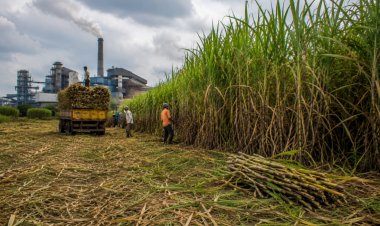
The bio-economy and circular materials sector, in particular, is being seen as an under-leveraged opportunity. India generates more than 500 million tonnes of crop waste every year, much of which is burned, worsening air pollution and greenhouse gas emissions. Converting this agricultural residue into value-added biomaterials could simultaneously address environmental challenges, boost rural incomes and reduce dependence on fossil-based materials.
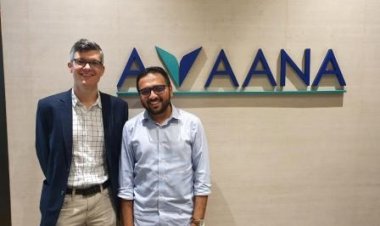
Mahadev Chikkanna, Founder and CEO of MYNUSCo, said the upcoming Budget must place stronger emphasis on bio-economy innovation and sustainable manufacturing. “While Budget 2025–26 continued to support startups and MSMEs, targeted fiscal incentives for circular materials and bio-manufacturing remained limited,” he noted. For Budget 2026, he called for R&D tax credits for sustainable materials, export incentives for bio-based products and policy support to scale bio-manufacturing infrastructure. According to him, such measures would help India shift decisively from a linear to a circular materials economy while positioning the country as a global hub for climate-friendly manufacturing.
From a development perspective, experts stress that any sustainable growth agenda must place smallholder farmers at its core. Crispino Lobo, Co-founder and Managing Trustee of Watershed Organisation Trust (WOTR), pointed out that farmers cultivating less than two hectares form the backbone of India’s food system but face disproportionate climate and market risks. He emphasised that Budget 2026 should focus on long-term resilience rather than short-term relief.
Investments in climate-adaptive agriculture, sustainable water security, precision farming technologies and dynamic weather-based advisories tailored to farm conditions are now essential, Lobo said. Strengthening post-harvest infrastructure, local value chains, institutional credit, crop insurance and extension services would not only reduce losses but also stabilise farm incomes in an era of climate uncertainty.
The dairy sector, another critical pillar of rural livelihoods, is also looking to Budget 2026 for structural support. Dr. K. Rathnam, Whole Time Director and CEO of Milky Mist Dairy Food Limited, described dairy as central to India’s food security and rural economy. He welcomed the government’s continued GST support but highlighted the need for further rationalisation of taxes on key inputs such as packaging, refrigeration equipment, animal feed and veterinary services.
Dr. Rathnam underlined that strengthening cold-chain infrastructure through higher capital subsidies, interest subvention and easier access to long-term credit is vital to reduce wastage and improve milk quality, particularly in hinterland regions. He also called for targeted incentives covering fodder development, animal health, cattle insurance and logistics, alongside support for automation, value-added dairy products and sustainability initiatives.