
Fake Agrochemicals Network Exposed in Gujarat, Illegal Trade May Exceed Rs 1,000 Crore
Enforcement agencies have uncovered a large, organized network manufacturing and distributing counterfeit agrochemicals across Gujarat, with the illegal trade estimated to exceed Rs 1,000 crore. Operating through layered supply chains and cash transactions, the racket poses serious risks to farmers’ incomes, crop productivity and public health.
 Join the RuralVoice whatsapp group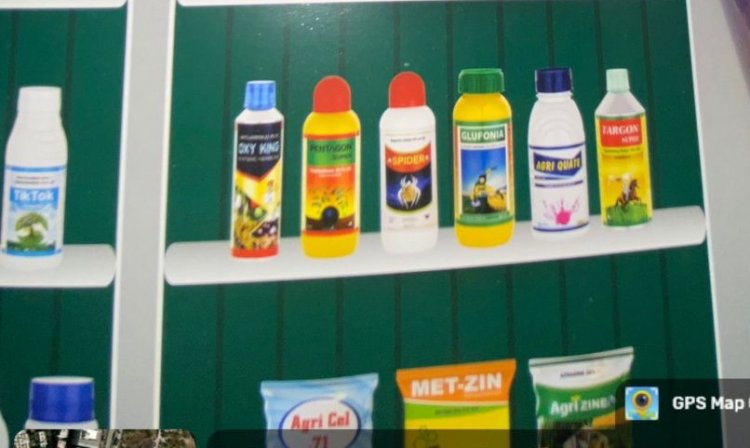
Enforcement agencies have uncovered a large, organized network involved in the manufacture and distribution of counterfeit and spurious agrochemicals across Gujarat, posing a serious threat to farmers’ livelihoods, consumer safety, and India’s agricultural economy.
The latest enforcement action was carried out on December 30 in Rajkot, following a series of FIRs and raids conducted through 2025, including actions on November 20 in Ahmedabad, October 12 in Rajkot, and September 1 in Rajkot, among others. These operations have exposed the expanding scale and reach of fake agrochemical networks operating under the guise of reputed brands.
A press release issued by agrochemical company UPL Limited stated that these actions have brought to light the growing scale and spread of fake agrochemical operations posing as reputed brands.
Despite repeated seizures and ongoing investigations, enforcement agencies estimate that the illegal agrochemical trade may exceed Rs 1,000 crore. Officials believe several operators remain active, functioning through layered networks of agents, distributors, and retailers across multiple states. A significant share of transactions is reportedly conducted in cash to evade regulatory scrutiny.
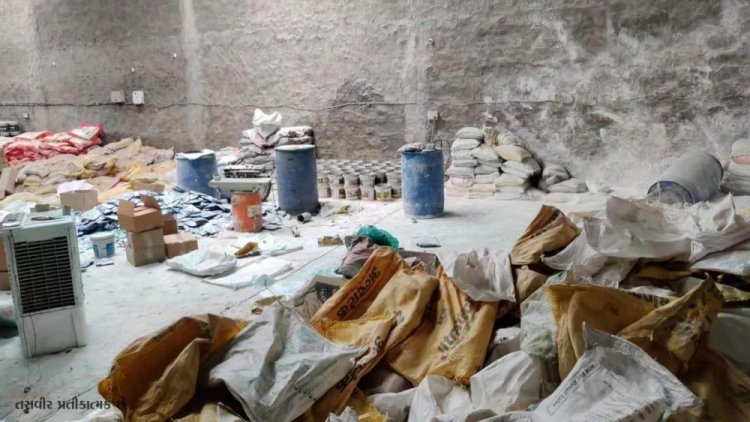
Authorities have identified Rajkot as a key epicenter of these operations, while Ankleshwar has been flagged for the illegal circulation of unregulated loose seeds and loose agrochemicals. In several instances, products marketed as “bio” alternatives were found to contain chemical residues and lacked mandatory Central Insecticides Board (CIB) registration.
Alarmingly, the distribution of counterfeit agrochemicals and illegal seeds is not limited to Gujarat. These products are being supplied to neighboring states, including Maharashtra, resulting in widespread crop damage and undermining Gujarat’s reputation as a key agricultural and industrial hub.
Kuldeepsinh Solanki, CEO of Gujpro Agribusiness Consortium Producer Company Ltd, said, “Spurious agrochemicals are silently destroying Indian agriculture from the ground up. Farmers lose entire crops and seasons of income because counterfeit products are sold as genuine, pushing families into debt and distress. The damage does not stop at the farm. Unregulated chemicals contaminate food, soil, and water, putting public health at serious risk. This is organized economic sabotage of the agricultural ecosystem and demands immediate, coordinated action to ensure farmers have access only to genuine, regulated products.”
A 2015 study by FICCI estimated that a 25 percent prevalence of non-genuine agrochemical products could reduce crop yields by 4 percent, leading to an annual loss of nearly 10.6 million tonnes of food production. The study also warned that around 29 million tonnes of food grains, valued at approximately USD 26 billion, and 3 million tonnes of fruits and vegetables, worth about USD 1.4 billion, could be put at risk in export markets. These losses translate into substantial revenue erosion for farmers, industry, and the government.
Experts stress the urgent need for a nationwide awareness initiative to educate farmers on identifying genuine products and avoiding counterfeit agrochemicals before further damage is done. This is not merely a case of commercial fraud or intellectual property violation. It is a direct assault on farmer welfare, consumer trust, and the integrity of India’s food ecosystem. Stronger enforcement, swift prosecution, and exemplary penalties are critical to dismantling these networks.