
Bio-Energy Key to India’s Net-Zero Journey: NITI Aayog
India needs to increase the share of non-fossil energy to over 80% from the current 15-18% to achieve its net-zero target, NITI Aayog Advisor Rajnath Ram said at the India Bio Energy Conference 2026. Industry leaders highlighted bio-energy’s role in energy security, sustainability, rural development and climate resilience.

 Join the RuralVoice whatsapp group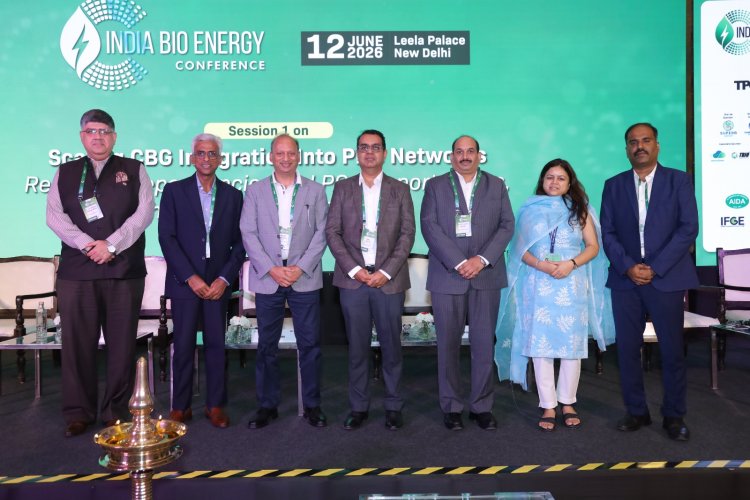
India must dramatically reduce its dependence on fossil fuels and increase the share of renewable and non-fossil energy sources to more than 80% if it is to achieve its net-zero emissions target, NITI Aayog Advisor (Energy) Rajnath Ram said at the India Bio Energy Conference (IBEC) 2026 held in New Delhi.
The conference, organised by the Trade Promotion Council of India (TPCI) through its National Committee on Bio Energy, brought together policymakers, industry leaders, diplomats, researchers and energy experts to discuss pathways for accelerating India's transition to a sustainable and energy-secure future.
Addressing the inaugural session, Ram noted that more than 80% of India's primary energy currently comes from fossil fuel sources, while renewable and non-fossil energy accounts for only 15-18%. He stressed that this ratio must be reversed to achieve net-zero emissions and ensure long-term energy security.
Highlighting the importance of energy diversification, Ram said India has expanded its energy import sources from 27 countries to over 40 countries. He also underlined the potential of coal gasification in reducing import dependence, noting that the government has approved projects worth Rs 37,500 crore to convert domestic coal reserves into synthesis gas, methanol, synthetic natural gas and other value-added products.
TPCI Chairman Mohit Singla described bio-energy as a strategic pillar of India's green growth agenda. He said bio-energy can help reduce dependence on fossil fuels while simultaneously addressing waste management challenges, generating rural employment and creating new income opportunities for farmers. According to him, sectors such as bio-CNG, ethanol blending and biomass-based power generation can significantly strengthen India's clean energy mix.
During the conference, TPCI signed a Memorandum of Understanding with the SAF Association to promote collaboration in the sustainable aviation fuel sector. Discussions focused on compressed biogas, ethanol blending, sustainable aviation fuel, climate finance, biomass integration and global energy partnerships.
Participants from Indian Oil, BPCL, Air India, Praj Industries, Honeywell UOP, TERI, NITI Aayog and diplomatic missions from several countries attended the event. Experts agreed that stronger collaboration among government, industry and academia will be essential to scale up India's bio-energy ecosystem and support the country's long-term energy security and climate commitments.