Kerala Begins Random Ethanol Checks at Petrol Pumps After Karnataka Fuel Controversy
Kerala has ordered random inspections at petrol outlets in four districts following complaints of vehicle damage and allegations of excess ethanol blending in Karnataka. State tests reportedly found 11 of 14 samples above E20 limits. Indian Oil, however, maintains that its fuel complies with BIS standards, citing 100% compliance in 893 samples.

 Join the RuralVoice whatsapp group
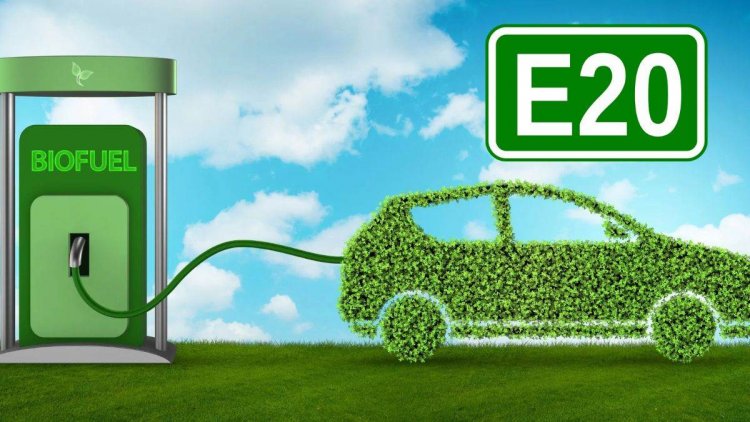
Kerala has begun random inspections at selected petrol outlets in four districts following allegations in neighbouring Karnataka that petrol supplied by oil marketing companies contained ethanol beyond the prescribed E20 limit. The move comes amid growing concerns over fuel quality and possible damage to vehicles, with the controversy prompting a response from Indian Oil Corporation (IOCL).
Kerala Minister Anoop Jacob said on Monday (November 9) that the state government had ordered inspections after receiving complaints from consumers about vehicle damage and apprehensions that petrol might contain more than the permissible level of ethanol.
"Given the complaints being received from the public about vehicle damage and their concerns regarding ethanol content exceeding permissible limits, it is the government's responsibility to allay their fears. That is why the inspections have been ordered," Jacob told the media. The inspections are being conducted at selected fuel outlets in four districts to verify fuel quality and address public concerns.
Karnataka Tests Raise Questions
The controversy originated in Karnataka, where laboratory tests conducted by the state's Legal Metrology Department reportedly found ethanol concentrations exceeding the prescribed 20 per cent limit in 11 of 14 petrol samples examined. The samples were collected from seven districts, including Bengaluru, Kolar, Chikkaballapura, Ramanagara, Mangaluru and Tumakuru.
According to the department's findings released on November 6, the highest ethanol concentration was 31.2 per cent in a sample of Indian Oil petrol, followed by 30.5 per cent in Hindustan Petroleum Corporation (HPCL) fuel. Other samples recorded concentrations of 27 per cent in HPCL petrol, 26.5 per cent in Bharat Petroleum Corporation (BPCL) petrol and 26.1 per cent in Nayara petrol.
Only three of the 14 samples were found within the E20 limit, including samples from BPCL, Mangalore Refinery and Petrochemicals Limited (MRPL) and Shell.
The Karnataka government has sought clarification from the Centre regarding the actual ethanol content of petrol supplied to consumers. It has also demanded disclosure of blending levels at fuel stations and proposed an E20 compensation fund to cover verified vehicle damage.
The state department has estimated the potential annual financial burden on consumers at nearly Rs 1.01 lakh crore, comprising around Rs 62,000 crore in additional fuel expenses due to reduced mileage and Rs 39,000 crore in vehicle repair costs.
Indian Oil Defends Fuel Quality
Indian Oil has rejected concerns about non-compliance, citing the results of scientific testing. In a statement posted on November 7, the company said all 893 E20 petrol samples tested across 27 states and Union Territories, including 56 samples from Karnataka, complied with the prescribed specifications.
According to IOCL, the samples were tested under IS 17021 as part of the Oil Marketing Companies (OMCs)/Centre for High Technology (CHT) Quality Control and Certification exercise. The samples included 330 from IOCL, 280 from BPCL and 283 from HPCL. The company reported 100 per cent compliance with the prescribed ethanol range of 19-21 per cent, with Karnataka's 56 samples recording an average ethanol content of 19.30 per cent.
On November 9, Indian Oil reiterated that its E20 petrol conforms to the prescribed Bureau of Indian Standards (BIS) specification, IS 17021, and is backed by established quality assurance protocols.
The differing test findings have brought fuel quality and compliance monitoring under scrutiny, with Kerala's inspections adding another dimension to the debate over ethanol blending and consumer concerns.