
Agriculture Lags as India’s Q2 Growth Hits 8.2 percent
Real Gross Value Added (GVA) in agriculture rose from ₹4.76 lakh crore to ₹4.93 lakh crore in the second quarter, but the moderation is evident when compared with the 8.1% overall GVA expansion.

 Join the RuralVoice whatsapp group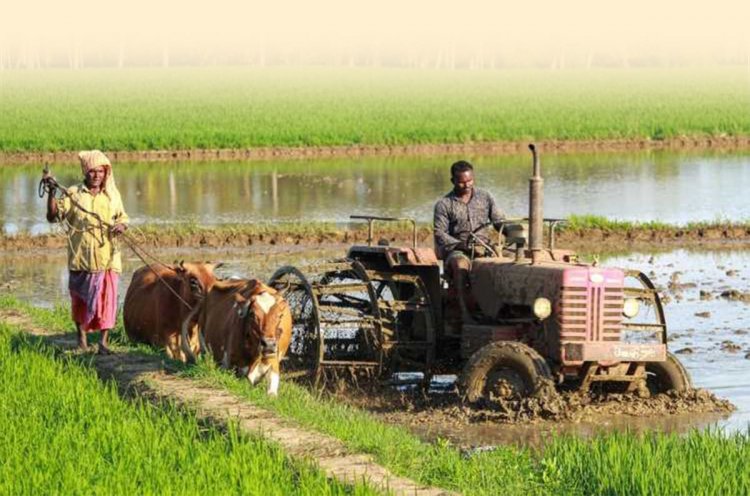
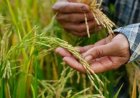
India’s economy expanded a strong 8.2% in the July–September quarter, but the latest release from the National Statistics Office (NSO) shows that the momentum is increasingly uneven, with agriculture emerging as the weakest part of an otherwise fast-growing economy. While manufacturing surged 9.1% and services grew 9.2%, agriculture and allied activities managed only 3.5% growth — a stark contrast to the broad-based gains seen elsewhere. The primary sector’s performance, drawn from first advance estimates of foodgrains, early horticulture numbers and livestock output, reflects the impact of an uneven monsoon and weak price realisations, with the Wholesale Price Index (WPI) for food articles falling 4.9% in the quarter.
Real Gross Value Added (GVA) in agriculture rose from ₹4.76 lakh crore to ₹4.93 lakh crore in the second quarter, but the moderation is evident when compared with the 8.1% overall GVA expansion. Mining, which forms the remaining component of the primary sector, contracted marginally at –0.04%, further dragging the headline figure. This subdued agricultural output comes even as industry and services deliver strong, broad-based performances — construction grew 7.2%, financial, real estate and professional services expanded 10.2%, and public administration and defence rose 9.7%.
The weakness in agriculture has wider implications for rural incomes and consumption. Private Final Consumption Expenditure (PFCE) rose 7.9% in the quarter, but much of this strength appears concentrated in urban and higher-income segments. Rural demand remains constrained by low farm-gate prices, rising input costs and uneven output gains. The WPI food decline, combined with modest growth in key crops such as rice (2.9%), signals shrinking margins for farmers, who form the backbone of discretionary demand across much of the country.
Half-year data reinforces this pattern: the primary sector grew just 3.6% in April–September, far below the 7.6% expansion in the secondary sector and 9.3% growth in services. Agriculture’s half-year growth of 2.5% is the lowest among all major categories. With Government Final Consumption Expenditure (GFCE) contracting 2.7% in the second quarter and rural subsidy outlays not expanding meaningfully, the fiscal support for rural households has thinned at a time when they need cushioning.
The headline numbers project an economy accelerating into a higher orbit — real Gross Domestic Product (GDP) rose to ₹48.63 lakh crore in the second quarter and half-year growth stands at 8%. But beneath these strong aggregates lies a clear structural concern: agriculture’s slowdown is now the single largest drag on India’s growth composition. With nearly half the workforce dependent on farming, weak agricultural expansion risks undermining consumption, pressuring rural credit, and complicating food-price management in the coming quarters. As India prepares to shift to the new GDP base year of 2022–23, statistical revisions are inevitable, but the core message in the current data is unmistakable — the country’s growth story remains strong, yet increasingly exposed to the vulnerabilities of a sector still central to its economic stability.