
Home-Cooked Veg Thali Cost Stable, Non-Veg Thali Cheaper in February As Vegetable and Pulse Prices Fall: Crisil
The cost of a home-cooked vegetarian thali remained unchanged year-on-year in February, while the non-vegetarian thali became 3% cheaper, according to a Crisil report. Lower prices of onion, potato and pulses offset a sharp rise in tomato prices, while broiler chicken prices contributed to the decline in non-veg meal costs.

 Join the RuralVoice whatsapp group
The cost of preparing a home-cooked vegetarian meal remained stable in February compared with a year ago, while the cost of a non-vegetarian thali declined 3%, according to the latest “Roti Rice Rate” indicator released by CRISIL.
The report said that the price stability in the vegetarian thali came despite significant changes in individual food items. Lower prices of onion, potato and pulses helped offset a sharp rise in tomato prices during the month.
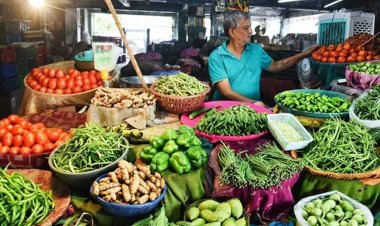
Tomato prices increased sharply by 43% year-on-year to about Rs 33 per kilogram in February 2026 compared with Rs 23 per kilogram a year earlier. The rise was mainly due to reduced arrivals in wholesale markets between November 2025 and January 2026. The report noted that mandi arrivals declined by around 32% during this period because delayed transplantation affected crop yields and tightened supply.
In contrast, onion prices dropped 24% from a year earlier. The decline was attributed to higher availability following the arrival of late kharif onions in the market. The limited shelf life of onions also led to immediate sales in markets amid subdued export demand.
Potato prices also declined 13% on a yearly basis as the crop entered its peak harvest phase. At the same time, cold storage stocks from the previous rabi season continued to be released in the market, increasing supply and putting downward pressure on prices.
Pulse prices fell 9% compared with a year earlier due to higher opening stocks in the current fiscal year. Tur inventories for the July–June marketing year are estimated to be around 20% higher, while Bengal gram stocks for the January–December marketing year are about 10% higher this season. These higher stocks helped push prices lower.
However, some input costs increased during the period. Vegetable oil prices rose 4% year-on-year due to tighter global supply of soybean oil, which pushed domestic prices higher. In addition, liquefied petroleum gas (LPG) cylinder prices increased 6% from a year earlier, limiting any overall reduction in the cost of preparing meals at home.
The cost of a non-vegetarian thali declined mainly because broiler chicken prices, which account for nearly half of the meal’s cost, fell about 7% compared with last year, although higher tomato prices moderated the decline.
On a monthly basis, the report showed that both vegetarian and non-vegetarian thali costs declined in February. The cost of a veg thali fell 5%, while the non-veg thali declined 1%, largely due to a drop in tomato, potato and onion prices following improved market arrivals.
According to the report, the average cost of preparing a veg thali stood at Rs 27.1 in February, while the non-veg thali cost was about Rs 55.6.