
Crude Oil and LPG Supply Crunch Deepens as Hormuz Disruption Cuts Global Energy Flows: IEA
The International Energy Agency (IEA) has warned of worsening global crude oil and LPG supply shortages following disruptions in the Strait of Hormuz amid the Iran conflict. Gulf exports have plunged sharply, tightening global fuel markets, pushing up prices, and threatening industries, cooking fuel supplies, manufacturing, agriculture, and economic stability worldwide.

 Join the RuralVoice whatsapp group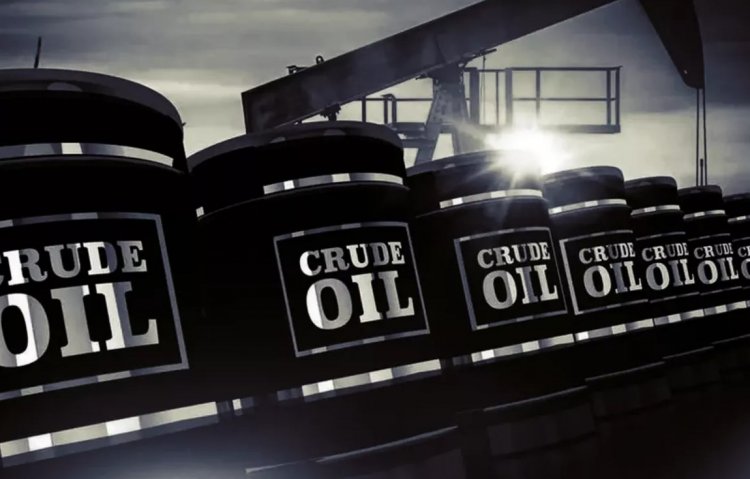
The global energy market is facing one of its most severe supply disruptions in recent history, with both crude oil and LPG supplies tightening sharply after the ongoing conflict around the Strait of Hormuz drastically reduced exports from the Middle East, according to the International Energy Agency’s (IEA) latest Oil Market Report.
The IEA said global oil supply has fallen by a staggering 12.8 million barrels per day (mb/d) since the start of the war. In April alone, global supply declined by another 1.8 mb/d month-on-month to 95.1 mb/d as the closure of the Strait of Hormuz deepened the crisis.
The report noted that Gulf crude oil and condensate loadings have effectively been slashed by around 10 mb/d since February, forcing importing countries - especially in Asia-Pacific - to urgently seek alternative supplies. While some oil-producing nations outside the Gulf, including the United States, Brazil, Venezuela and African OPEC+ members, have marginally increased output, the IEA warned that these gains are insufficient compared to the enormous production losses in the Middle East.
The crisis has become even more acute in the LPG market. The IEA said plunging exports of Middle Eastern LPG through the Strait of Hormuz have “dramatically tightened” global propane and butane markets.
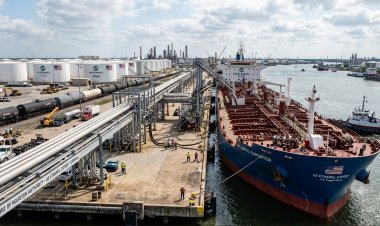
In 2025, Gulf countries supplied nearly 1.5 mb/d of LPG through Hormuz, primarily to Asian markets. However, these flows dropped to just 270,000 barrels per day in April, mainly from Iran. Even after accounting for additional exports from Saudi Arabia’s Yanbu port, the world still faces an LPG shortfall of nearly 1 mb/d, which other exporters have so far failed to compensate for.
The United States has emerged as the largest alternative supplier, with LPG exports surging by 450,000 barrels per day - a 20% increase over 2025 averages. This pushed total US LPG exports to 2.7 mb/d, accounting for an extraordinary 69% of global seaborne LPG supply. Despite the sharp rise in exports, the IEA noted that robust domestic supply has prevented major depletion of US inventories.
However, the report warned that logistical and infrastructure limitations are constraining the ability of global markets to fully offset the Middle East shortfall. Export terminal capacities remain limited, and petrochemical industries are increasingly absorbing available supplies.
The IEA cautioned that shortages of plastics and fibres - already worsened by the collapse in Gulf exports - could soon affect manufacturing, agriculture and construction sectors as global inventories decline.
The agency identified India as among the countries most severely affected by the LPG disruption. LPG arrivals into India in April fell by more than 40% compared with January-February levels, despite increased cargoes from the United States. Since most Indian LPG consumption is used for household and commercial cooking, the disruption quickly impacted consumers. The IEA estimated India’s LPG demand fell by 16% in April.
The report added that similar risks could spread across Asia and Africa if the conflict continues for a prolonged period, given that LPG remains the world’s most widely used cooking fuel.
Although record stock drawdowns and reduced crude imports by Asian buyers have temporarily softened the impact on global prices and supply chains, the IEA warned that shortages are likely to worsen as inventories decline further. Refiners are also expected to face growing operational pressure in the coming months.
The agency assumes the Strait of Hormuz could remain effectively shut until early June, with full normalisation of trade potentially requiring another two to three months after demining and recovery operations begin.