India May Gain a Small Edge as U.S. Exempts Agricultural Products from Reciprocal Tariffs
The U.S. has exempted several farm products—including spices, tea, coffee, tropical fruits and fertilizers—from its reciprocal tariff regime, offering India a limited competitive advantage. However, India currently supplies only $548 million of America’s $50.6-billion import demand in these categories. While the shift may slightly boost India’s spice and niche horticulture exports, major gains will go to Latin American, African and ASEAN suppliers.

 Join the RuralVoice whatsapp group
The United States has removed a set of agricultural products from the reciprocal tariffs introduced earlier this year, meaning these items will now face only the standard MFN duties.
A White House Executive Order issued on November 12 excludes coffee, tea, tropical fruits, fruit juices, cocoa, spices, bananas, oranges, tomatoes, beef and certain fertilizers from the April 2 reciprocal tariff regime. The exemptions took effect on November 13.
A report by think tank Global Trade Research Initiative (GTRI), says that these goods are either not produced in adequate quantities domestically or depend on climate conditions the U.S. cannot replicate.
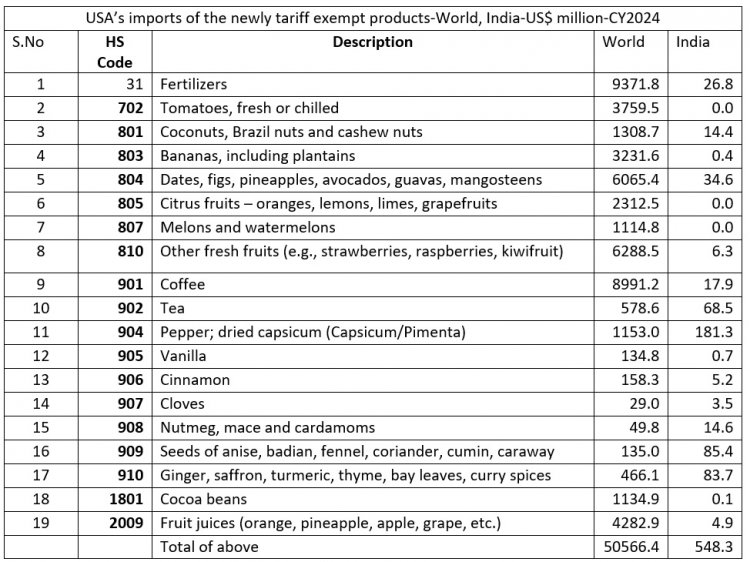
For the tariff-exempt products identified in the order, India today supplies only $548 million of America’s $50.6-billion import basket—reflecting a narrow export footprint dominated by a few winners.
Source: GTRI
U.S. demand for these items is heavily concentrated in categories. Here are the US global imports for 2024: coffee ($9.0 billion), tropical fruits and avocados ($6.1 billion), fresh fruits ($6.3 billion), tomatoes ($3.8 billion), bananas ($3.2 billion), and fruit juices ($4.3 billion).
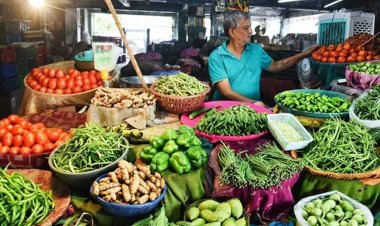
India’s exports to the U.S. are concentrated in a handful of high-value spices and niche products: pepper and capsicum preparations ($181 million), ginger–turmeric–curry spices ($84 million), anise and cumin seed categories ($85 million), cardamom and nutmeg ($15 million), tea ($68 million), and modest quantities of coconuts, cocoa beans, cinnamon, cloves, and fruit products.
But India has almost no presence in several of the largest exempted lines—tomatoes, citrus fruits, melons, bananas, most fresh fruits, and fruit juices. It’s not clear yet whether Indian exports will be exempt from 25% reciprocal tariffs or full 50% tariffs.
The shift in U.S. tariff policy could marginally strengthen India’s competitive position in spices and niche horticulture, but the broader gains will accrue mainly to major Latin American, African, and ASEAN farm exporters unless India expands scale, builds cold-chain capacity, and diversifies its agricultural export basket.