
US Signals Possible Rollback of 25% Tariff on India as Russian Oil Purchases Decline
US Treasury Secretary Scott Bessent hinted that the 25% punitive tariff on India, linked to its Russian oil imports, could be lifted as Indian purchases have sharply fallen. The move reflects shifting energy sourcing, geopolitical trade tensions, and ongoing US legislative debates on tariffs targeting Russian oil buyers.

 Join the RuralVoice whatsapp group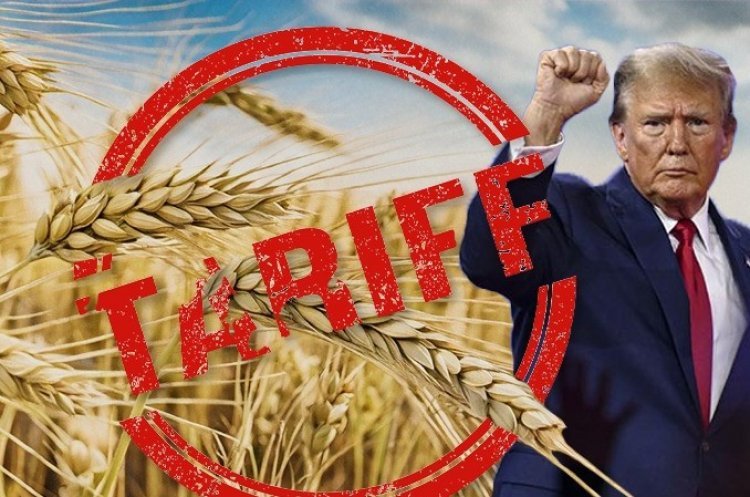
US Treasury Secretary Scott Bessent has indicated a possible diplomatic path to remove the 25% penal tariff imposed on India for buying Russian crude, saying the policy has largely achieved its goal as Indian purchases have plunged.
Speaking at the World Economic Forum in Davos, Bessent described the collapse in Russia crude imports by Indian refineries as a “huge success” of US trade pressure. While the tariffs remain in force, he suggested that if India continues diversifying its crude sourcing, there may be room to lift them.
The additional tariffs were introduced in 2025 as a response to India’s growing imports of discounted Russian oil, which had previously climbed significantly. The levies, combining a 25% reciprocal duty and a 25% punitive tariff, effectively raised duties on many Indian exports to the US to around 50%.
Bessent’s remarks come amid broader debate in the US Congress over proposed legislation that could slap tariffs of up to 500% on countries buying Russian oil, a measure aimed at pressuring buyers to cut ties with Moscow. India, however, has maintained that its energy strategy prioritises “affordable energy” for its population, even while reducing its Russian crude purchases.
India’s reduced imports have been reflected in data showing a sharp drop in Russian Urals crude arrivals, prompting refiners to source alternate supplies from the Middle East, West Africa, and Latin America. Some Indian refiners, including Reliance Industries, temporarily cut Russian crude imports earlier in January 2026 under pressure from Western sanctions and market shifts.
Bessent also criticised European nations for buying refined petroleum products made from Russian crude via Indian refineries, arguing such trade patterns paradoxically supported Russian energy revenues. At the same time, he noted that European partners refrained from imposing similar tariffs to preserve momentum on a proposed India–EU strategic trade agenda, described by the European Commission as the “mother of all deals.”
India and the EU are expected to adopt a comprehensive strategic partnership agenda during the 16th EU–India Summit in New Delhi, with talks aimed at expanding trade ties and cooperation across a market of nearly 2 billion people.