
India’s Farm Paradox in 2025: Record Production but Farmer Incomes in Jeopardy
In 2025, prices for most crops remained below MSP, fertilizer shortages persisted, and trade policies remained uncertain. Farmers' hard work led to record production this year, but their incomes did not increase commensurately. This will be reflected in weak demand in the rural economy.

 Join the RuralVoice whatsapp group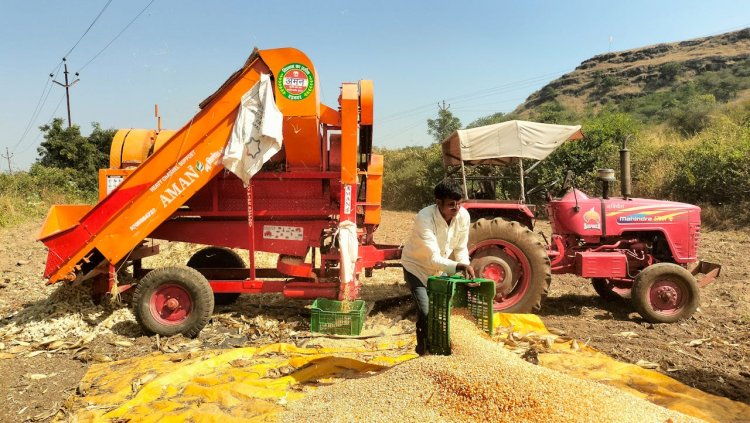
An assessment of 2025 for the agriculture sector presents two contrasting pictures: one for farmers and another for the rest of the economy. The policy success of the government and the Reserve Bank in bringing down inflation is clearly visible, but the other side of the coin is that farmers’ incomes have been sacrificed at the altar of inflation control. Prices of most crops have remained below the Minimum Support Price (MSP). This broader reality becomes evident after examining the data for 2025.
Driven by a better monsoon and bumper output, India produced 150 million tonnes of rice, overtaking China’s 145 million tonnes to become the world’s largest rice producer. India has also emerged as the world’s largest rice exporter. While this achievement looks impressive in official statistics, it does not translate into gains at the farm level. This is evident from the fact that several Indian companies have already signed rice export deals at around Rs 33 per kg, a price that appears almost impossible after paying farmers the MSP for paddy fixed at Rs 2,389 per quintal for the current season.
Prices of most pulses have also remained below MSP. A similar situation prevails in edible oils, where India depends on imports for over 60 percent of its requirements. Farmers did not receive the MSP for soybean, even as its production continues to decline. Whether pulses, oilseeds, or cotton, prices of nearly all major crops stayed below MSP.
These trends are also reflected in GDP and GVA data. For the agriculture and allied sectors, the GDP and GVA figures released for the first two quarters of the current year show that GVA growth has lagged GDP growth. This clearly indicates that the agricultural economy is in a phase of deflation, while manufacturing and services have shown relatively positive trends. Farmers achieved record production this year, but their incomes did not rise proportionately. This is likely to translate into weak demand in the rural economy.
Another major agriculture-related issue during the year was the government’s stance on the proposed India–US trade agreement. Agriculture has been the biggest stumbling block in finalizing the deal. The government has repeatedly stated that it will not sign a trade agreement with the United States at the cost of Indian farmers’ interests. The US wants India to open its market to products such as soybean, maize, ethanol, and cotton, as well as apples, almonds, and pistachios. For the government, this is politically difficult, as it carries significant domestic implications that could turn against it. This is why agriculture remains the red line in the India–US trade negotiations.
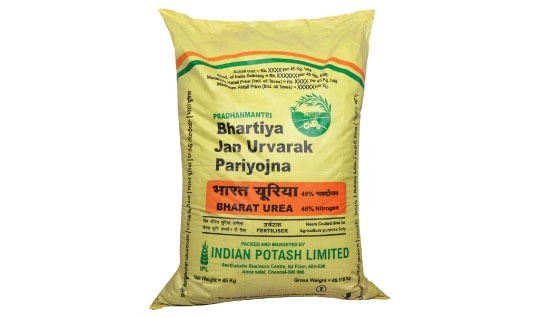
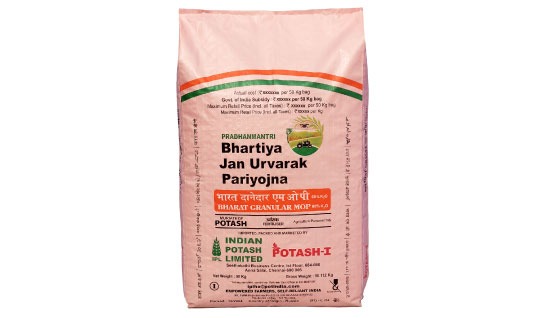
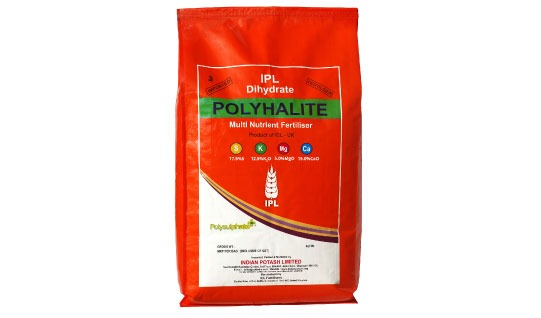
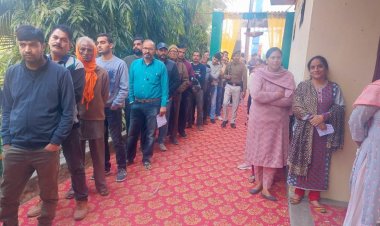
This year, Indian farmers also faced an unprecedented crisis related to fertilizer availability. For the first time, farmers across large parts of the country grappled with an acute shortage of urea. Although the government consistently maintained that adequate quantities were available, long queues of farmers standing day and night at sales points in rain, heat, and cold told a different story. Several states wrote to the central government seeking higher allocations of urea.
In reality, urea consumption in the country is rising rapidly. Apart from being the cheapest fertilizer, a better monsoon during the kharif season led to an expansion in cropped area, along with a shift from low-urea-consuming crops like pulses to high-urea-consuming crops such as paddy and maize. Despite the commissioning of new plants, India’s dependence on urea imports continues. Farmers also faced difficulties with di-ammonium phosphate (DAP) in both the rabi and kharif seasons, but that has happened earlier as well. The severity of the urea shortage, however, was witnessed for the first time this year.
On a positive note, the government approved two rice varieties developed through gene-editing. This marks the first time that varieties developed using gene-editing technology have received approval in the country. The government has clearly differentiated gene-editing from genetically modified (GM) crops and has not subjected these varieties to the lengthy approval process applicable to GM crops. As a result, there is a strong possibility that many more gene-edited varieties will be approved in the coming years, as work is progressing rapidly on both food crops and plantation crops using this technology.
However, gene-editing technologies are patented, and intellectual property rights largely rest with multinational companies. Agreements with these companies will be required before such crops can be commercially released. The encouraging development is that Indian scientists have also developed a gene-editing technology that has already been patented. This opens up the possibility of using indigenous technology for developing gene-edited crop varieties in the future.
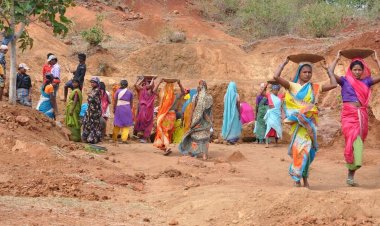
Another major decision affecting agriculture and the rural economy was the introduction of the Viksit Bharat Rozgar aur Aajeevika Guarantee Mission (VB-GRAM) Bill, intended to replace MGNREGA. With Parliament passing the bill, the formalities for implementing it as a law have been completed. While a large section of the opposition and many economists oppose the move, arguing that it puts at risk the rural employment guarantee provided through MGNREGA for the past 20 years, the government maintains that the new law is more efficient and practical.
It is certain that this new law will have a deep social and economic impact on rural India. At the same time, questions remain over the practical implementation of several of its provisions.