
Kisan Diwas 2025: India’s Small Farmers Are the Real Climate Warriors
Despite fragmented landholdings and growing climate uncertainties, smallholders have driven agricultural growth, strengthened rural economies, and ensured food security for billions.

 Join the RuralVoice whatsapp group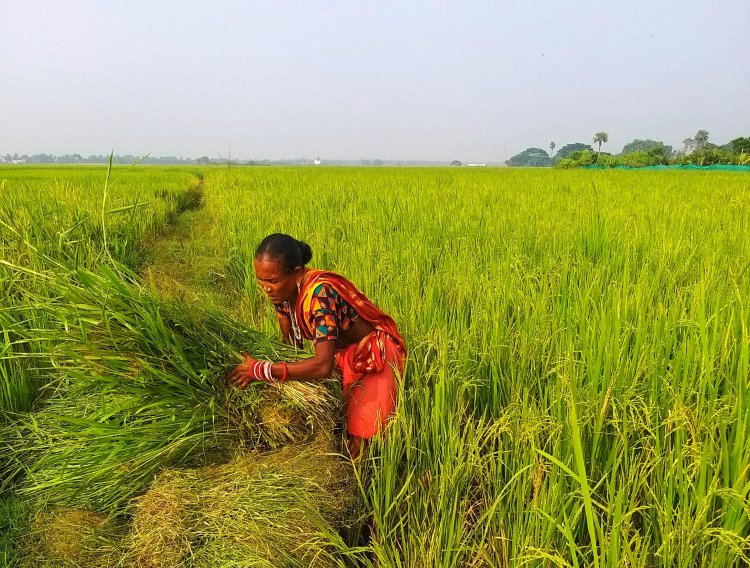
Every year on December 23, India honours its farmers on Kisan Diwas, marking the birth anniversary of Chaudhary Charan Singh, the fifth Prime Minister of India and a lifelong advocate for farmers’ rights. This year’s 25th Kisan Diwas is more than a tribute; it is a celebration of India’s smallholder farmers who have helped make India the second-largest food producer in the world.
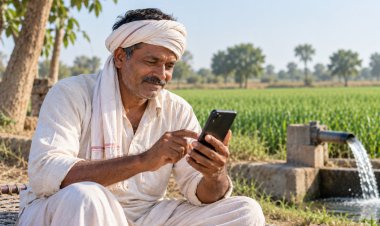
Despite fragmented landholdings and growing climate uncertainties, smallholders have driven agricultural growth, strengthened rural economies, and ensured food security for billions. Today, they are not just producers; they are innovators, adopting sustainable practices and building resilience for the future. Their performance is truly inspiring.
India has achieved remarkable progress in agriculture, but climate change continues to pose serious challenges. Over the past four decades, 30 percent of districts have experienced frequent deficient rainfall years, while 38 percent have faced excessive rainfall. These shifts have already reduced rice yields by 8 percent in South India and 5 percent in East India. Climate projections indicate further warming and increasingly erratic weather patterns, making resilience more critical than ever.
Turning Fields into Climate Solutions
India has identified around 30 recognised Sustainable Agricultural Practices (SAPs). Key practices such as crop rotation, agroforestry, rainwater harvesting, integrated pest management, and alternate wetting and drying each cover between 5 and 30 million hectares.
Research by the Council on Energy, Environment and Water (CEEW) shows that farmers using SAPs report higher incomes, healthier soils, and improved nutrition security. These practices build climate resilience through minimal tillage, crop rotation, and multi-cropping. Together, they create healthy ecosystems that support root development, balanced crop growth, and resistance to lodging.
Across the world, farmers are turning their fields into climate solutions by conserving water, revitalising soil health, protecting biodiversity, and reducing emissions. Techniques such as no-till farming and agroforestry draw carbon dioxide from the atmosphere into the soil, creating significant carbon sinks.
In rice cultivation, alternate wetting and drying methods reduce methane emissions while conserving water. India cultivates nearly 50 million hectares of rice, roughly one-third of the global rice-growing area, producing about 145 million metric tonnes annually. However, rice paddies are also major greenhouse gas emitters, averaging around 7,870 kg of CO₂ equivalent per hectare per year, primarily due to methane emissions.
Programmes focused on low-methane rice production are helping farmers shift from traditional 120-day continuous flooding to 14–21 day drying intervals. This transition has delivered approximately a 23 percent reduction in greenhouse gas emissions, a 40 percent improvement in water-use efficiency, and a 5 percent increase in both yield and profitability. These drying cycles are now being adopted collectively at the community level, enhancing scalability and reducing pest incidence.
Biofuels derived from crops such as sugarcane and corn further help cut greenhouse gas emissions and reduce dependence on fossil fuels, with the added advantage that farmers can regrow these crops within months. Agriculture accounts for over 70 percent of global freshwater use, but practices such as drip irrigation, rainwater harvesting, and soil-enhancing techniques can reduce inefficient water use by up to 60 percent.
Stories of Transformation
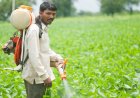
In Andhra Pradesh, Bulliraju shifted from conventional paddy cultivation to climate-responsive practices. He learned to use water more efficiently, improve crop health, and increase returns, while reducing the climate impact of his fields through alternate wetting and drying methods.
Satyavati, a woman farmer, adopted modern agronomy practices through training that transformed her approach to farming and inspired others in her village. Her journey demonstrates how empowerment can extend from individual farms to entire communities.
Recognising Farmers as Climate Heroes
Ahead of the 30th United Nations Climate Change Conference in Belém, Brazil, UPL launched the #AFarmerCan campaign, titled “The hero you don’t know you need”. The campaign celebrates farmers as climate heroes and calls on world leaders to recognise their vital role in building climate resilience.
It appeals to policymakers to stand with farmers and urges consumers to acknowledge and celebrate farmers’ strength, resilience, and innovation. To further strengthen farmer resilience, a four-pillar incentive framework was proposed to address the multifaceted challenges farmers face:
-
Pay: Reward farmers for adopting climate-smart practices.
-
Protect: Provide subsidies and insurance to guard against risks.
-
Procure: Strengthen farmer access to public markets for certified sustainable produce.
-
Promote: Scale digital tools, soil health data, and knowledge-based training.
The Path Forward
Resilient farmers mean healthier people. Healthier people mean stronger nations. When nations invest in inclusive and sustainable agricultural policies, they create resilient farming systems where both people and nature thrive. Empowered farmers form the foundation of a nation’s ability to confront global challenges.
Strategic investments in sustainable practices, digital tools, and equitable financing can build an agricultural ecosystem that is productive, resilient, and inclusive.
As we mark the 25th Kisan Diwas, let us honour our farmers not only for what they produce, but for what they enable: a food-secure and climate-resilient India. Let this celebration also serve as a commitment to policies and partnerships that empower smallholders as true climate heroes.
(Jai Shroff is Chairman and Group CEO of UPL Group)