Private Seed Companies Compensate Telangana Farmers for Crop Losses, ₹3.80 Crores to 671 Farmers
District officials collected video and documentary evidence in the presence of company representatives to verify the extent of crop damage. This thorough documentation played a key role in compelling the seed firms to accept liability and disburse compensation.

 Join the RuralVoice whatsapp group
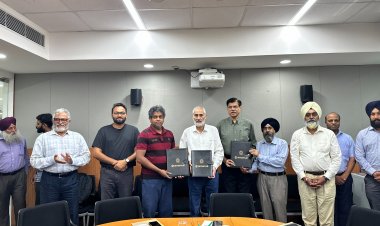
In a groundbreaking move that sets a new precedent for corporate accountability in Indian agriculture, 671 maize farmers in Telangana’s Mulugu district were compensated by four private seed companies, including a multinational firm, after incurring massive losses due to substandard seeds. The compensation was formally distributed on Monday during a public event in the district.
The farmers, who suffered crop failure over 1,521 acres spread across Vajedu, Venkatapuram, and Kannayigudem mandals, received cheques amounting to ₹3.80 crore, with payments ranging from ₹60,000 to ₹1.25 lakh per acre depending on the extent of damage and investment costs. The initiative marks the first time that private seed companies have voluntarily provided such large-scale compensation directly to affected farmers without litigation.
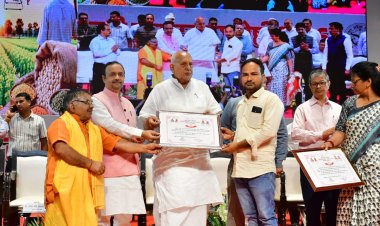
The compensation cheques were handed over in the presence of Telangana Agriculture Minister Tummala Nageswara Rao, who underscored the importance of holding seed companies accountable. “Farmers must not fall victim to substandard seeds. We are taking concrete steps to enact a new Seed Act to strengthen regulatory mechanisms,” he said. He also announced that ₹1,050 crore has been allocated for farmer welfare in the state, and Karriguttalu will be developed as a tourist destination under rural development plans.
Minister Rao was accompanied by Panchayat Raj and Rural Development Minister Danasari Seethakka, Agriculture and Farmers’ Welfare Commission Chairman M. Kodanda Reddy, Telangana State Seed Development Corporation Chairman S. Anvesh Reddy, Mulugu MLA Tellam Venkata Rao, District Collector Divakar T.S., and ITDA Project Officer Chitra Mishra.
Documentation Forced Companies to Act
District officials had earlier collected video and documentary evidence in the presence of company representatives to verify the extent of crop damage. This thorough documentation played a key role in compelling the seed firms to accept liability and disburse compensation. The swift and transparent coordination between district authorities and the state agriculture department was instrumental in ensuring timely redressal.
The Telangana government is now preparing a comprehensive Seed Act, which aims to tighten oversight on seed quality, ban unlicensed distributors, and ensure accountability of seed companies in cases of fraud or failure. The proposed law is being positioned as a safeguard against future seed-related distress.
Similar Seed Crisis in Madhya Pradesh
The issue of seed quality has gained national attention, with farmers in Madhya Pradesh reporting significant losses due to poor germination of soybean seeds. During a recent visit to the soybean fields, Union Agriculture and Farmers’ Welfare Minister Shivraj Singh Chouhan was briefed by farmers about the extent of the damage. In response, Chouhan called for a thorough investigation and stressed the need for strict enforcement of regulations to prevent the sale of substandard seeds, fertilizers, and agro-chemicals.