SEA Calls for National Strategy to Reduce Edible Oil Import; Seeks Higher Funding and Dedicated Development Fund
In a memorandum sent to the Prime Minister, SEA has proposed nine key policy interventions, including substantially higher budgetary allocations under the National Mission on Edible Oils (NMEO), a dedicated Oilseed Development Fund and a target of at least 5% annual growth in oilseed production.
 Join the RuralVoice whatsapp group
The Solvent Extractors' Association of India (SEA) has urged the government to adopt a comprehensive national strategy to accelerate domestic oilseed production and reduce India's dependence on imported edible oils. In a memorandum sent to the Prime Minister, the industry body has proposed nine key policy interventions, including substantially higher budgetary allocations under the National Mission on Edible Oils (NMEO), a dedicated Oilseed Development Fund and a target of at least 5% annual growth in oilseed production.
The recommendations are aimed at making edible oil security a key pillar of the Atmanirbhar Bharat and Viksit Bharat 2047 vision. SEA has called for coordinated action by the government, research institutions, industry and farmers to address the widening gap between domestic production and consumption.
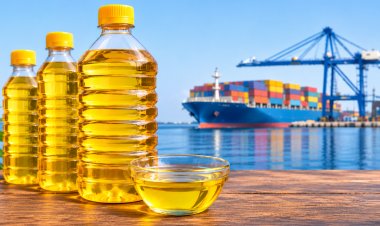
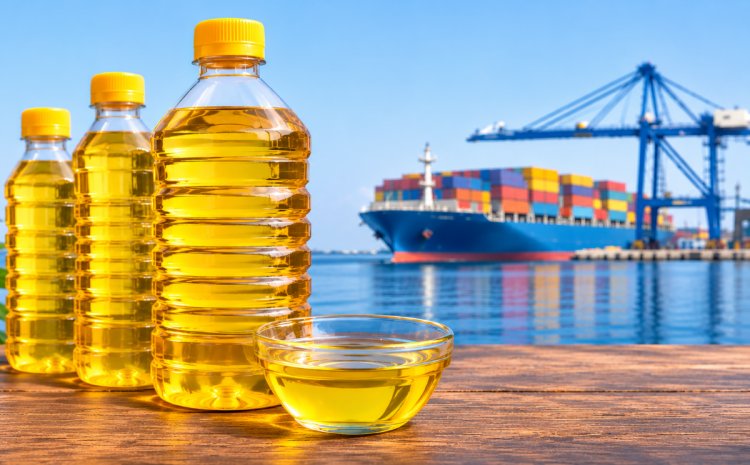
India currently imports nearly 170 lakh tonnes of edible oils annually, meeting around 60% of its domestic consumption at a cost of approximately Rs 2 lakh crore (US$21 billion). This dependence results in substantial foreign exchange outflow and exposes the domestic market to international price volatility and supply disruptions.
According to SEA's assessment, domestic edible oil demand, estimated at 260 lakh tonnes in 2025, could increase to 439–544 lakh tonnes by 2047, depending on per capita consumption growth. Against this, oilseed production has grown at a compound annual growth rate (CAGR) of 3.24% over the past two decades. If this trend continues, domestic vegetable oil availability would reach only 225 lakh tonnes by 2047. Even if annual oilseed production growth accelerates to 5%, availability is projected to reach around 327 lakh tonnes, leaving a substantial supply gap.
SEA has also flagged the under-utilisation of funds under existing national missions. Between 2021-22 and 2025-26, expenditure under NMEO-Oilseeds stood at Rs 1,452 crore against allocations of Rs 2,890.35 crore, while the expenditure under NMEO-Oil Palm was Rs 288.30 crore against allocations of Rs 1,252.35 crore. These represent fund utilisation of approximately 50% and 23%, respectively. The association has sought a review of implementation bottlenecks, administrative procedures and fund-release mechanisms, along with stronger monitoring and accountability.
Among its nine recommendations, SEA has proposed substantially increasing allocations under NMEO-Oilseeds and NMEO-Oil Palm beyond 2030-31. It has also suggested creating a dedicated Oilseed Development Fund by earmarking a portion of customs duty and Agriculture Infrastructure and Development Cess (AIDC) collections from edible oil imports.
Other proposals include a predictable import-duty policy to protect domestic growers, research partnerships for high-yielding and climate-resilient seeds, remunerative prices and procurement support, modernisation of processing and post-harvest infrastructure, and greater utilisation of alternative oil sources such as rice bran, cottonseed and tree-borne oilseeds.
The association has also sought dedicated professional leadership at the national level with a five-year tenure to coordinate and monitor the oilseed productivity programme.
SEA President Angshu Mallick said India must move beyond incremental interventions towards a well-funded, technology-driven and outcome-oriented national oilseed strategy. The association has also sought a meeting with the government to present its recommendations and work towards a practical roadmap for reducing edible oil import dependence.