
Tomato Prices Fall 23 Percent in a Week in Nashik, Farmers Face Mounting Losses
Tomato prices in Nashik fell 23 percent in a week at Pimpalgaon Baswant APMC, despite a 49 percent decline in market arrivals. Small farmers in Trimbakeshwar and Yeola face mounting losses due to weak prices, rising cultivation costs and water scarcity.

 Join the RuralVoice whatsapp group
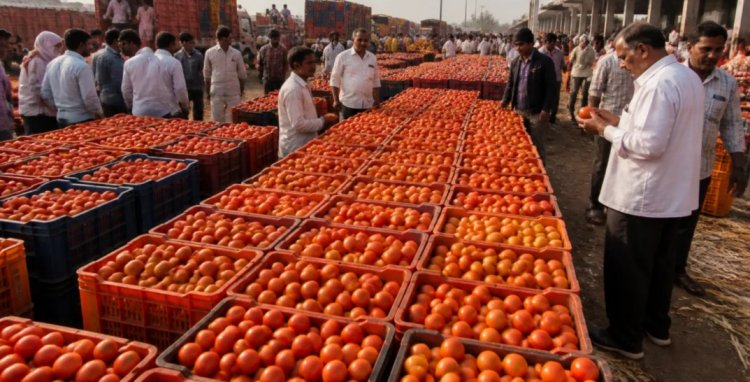
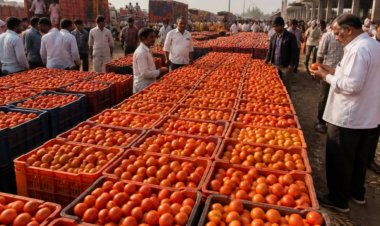
Tomato farmers in Maharashtra’s Nashik district are facing mounting financial losses as prices at the Pimpalgaon Baswant Agricultural Produce Market Committee (APMC) have declined sharply over the past week, even as market arrivals have nearly halved.
According to APMC data, on November 13, the maximum price of tomatoes stood at Rs 351 per crate, while the average price was Rs 261. By November 19, the maximum price had declined to Rs 281 per crate and the average to Rs 201. This represents a 20% decline in the maximum price and a 23% fall in the average price in just six days.
The price decline is particularly concerning as arrivals have also dropped significantly. Tomato arrivals at Pimpalgaon Baswant APMC fell from 2,55,995 crates on November 17 to 1,31,575 crates on November 19, a decline of nearly 49%. The simultaneous fall in prices and arrivals has added to growers' concerns about weak market demand and poor returns.
The price decline has hit small farmers in Trimbakeshwar taluka particularly hard. Many farmers, who traditionally cultivate paddy, nagli (finger millet) and varai (little millet), diversified into tomato cultivation this year in the hope of supplementing their incomes.
However, poor market realisations have upset their financial calculations. They are unable to recover even the costs of harvesting, labour and transportation. For some growers, taking their produce to the market has become economically unviable.
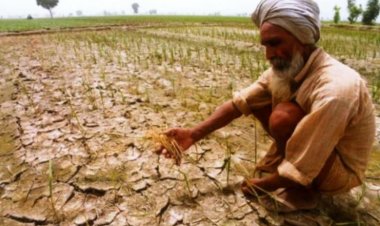
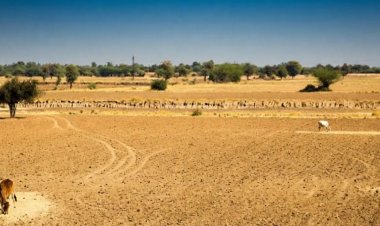
Tomato growers in Yeola taluka are grappling with an additional challenge as drought conditions and water scarcity have increased the cost of cultivation. Farmers have incurred higher expenses to sustain their crops despite limited water availability, but weak market prices have eroded their expected returns. Tomato arrivals at the Yeola market committee have reportedly fallen to just 15-20 crates a day. Despite the limited supply, prices remain subdued at Rs 150-200 per crate.
Smallholders, particularly those without access to storage facilities, have little option but to sell their perishable produce at prevailing market rates. The situation has raised concerns about farmers' ability to recover their cultivation investments and arrange the resources required for the next cropping cycle.