
Four of the 16 ships carrying fertilizer to India that were stranded in the Strait of Hormuz have moved out
Four ships carrying urea, DAP and sulphur have crossed the Strait of Hormuz and are headed to Indian ports. The government said fertilizer availability remains adequate for the Kharif season, supported by higher stocks, increased domestic production and imports, despite uncertainties affecting global trade routes and maritime movement.

 Join the RuralVoice whatsapp group
Sixteen cargo ships carrying consignments of urea, di-ammonium phosphate (DAP), and sulphur from Gulf countries had been stranded in the Strait of Hormuz. Four of them have now crossed the strait and are heading towards India. According to the Ministry of Chemicals and Fertilizers, these ships will dock at the ports of Krishnapatnam, Kakinada, Paradip, and Mundra.
In fact, none of the 16 ships transporting fertilizers to India had previously managed to pass through the Strait of Hormuz, which had been blocked due to the Gulf conflict. Recently, a few ships carrying gas and crude oil were able to cross the strait and reach India. Fertilizer industry sources had reported that all 16 fertilizer-laden ships were stranded; however, according to information released by the government on Monday, four of these ships have now crossed the Strait of Hormuz and are en route to India.
The movement of the vessels comes at a time when concerns over trade and shipping routes in the Gulf region have increased. The ministry said the incoming shipments will add to existing fertilizer stocks and help meet agricultural demand across the country.
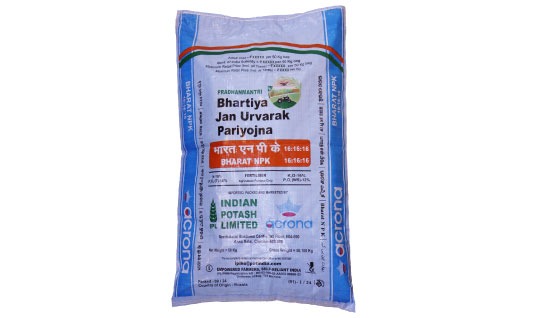
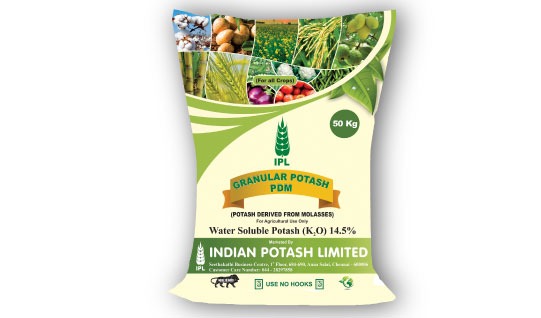
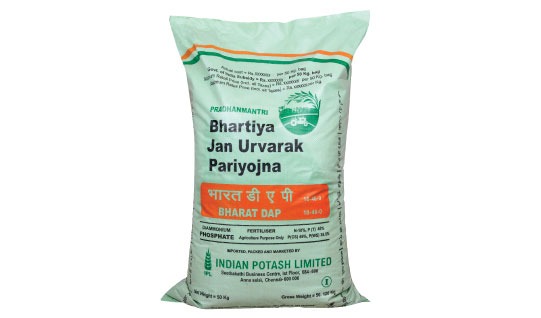
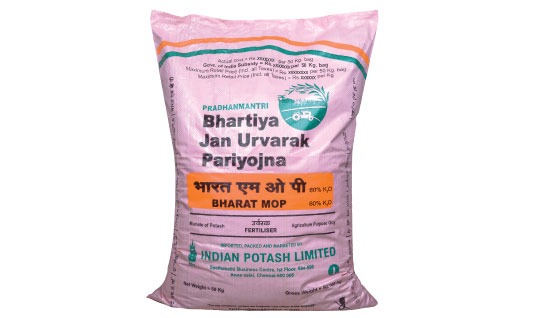
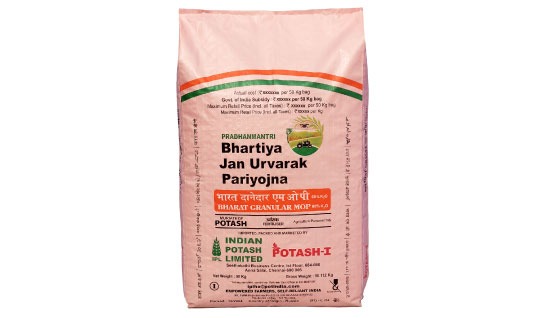
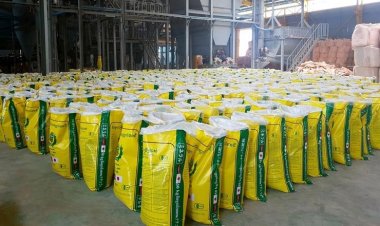
According to official data, India's total fertilizer stocks stood at 196.08 lakh tonnes as of June 22, 2026, compared with 168.67 lakh tonnes during the same period last year. The stock position includes 81.44 lakh tonnes of urea, 20.92 lakh tonnes of DAP, 55.91 lakh tonnes of NPK fertilizers, 12.68 lakh tonnes of muriate of potash (MOP) and 25.13 lakh tonnes of single super phosphate (SSP). Except for SSP, inventories of all major fertilizers are higher than last year.
The ministry also reported higher fertilizer consumption during the current season. Between March 1 and June 21, 2026, fertilizer sales reached 153.4 lakh tonnes, compared with 140.2 lakh tonnes during the corresponding period last year. Sales during this period included 79.1 lakh tonnes of urea, 34.8 lakh tonnes of NPK fertilizers and 19.8 lakh tonnes of DAP and TSP.
To meet demand, domestic fertilizer production has also increased. Between March and June 2026, domestic production reached 133.12 lakh metric tonnes, while fertilizer imports during the same period stood at 43.69 lakh metric tonnes. The government said it has relied on a combination of domestic production and imports to maintain supplies during the Kharif season.
In addition, India has contracted 17.70 lakh metric tonnes of urea through its latest global tender. With this procurement, the country has tied up more than 90 lakh metric tonnes of urea and phosphatic and potassic (P&K) fertilizers from international markets for Kharif 2026.
The Department of Fertilizers said the procurement effort was supported through coordination with 28 Indian missions abroad. Urea supplies have been sourced from countries including Oman, Malaysia, Vietnam, Nigeria, Russia, Egypt and Algeria, while DAP and NPK fertilizers have been arranged from suppliers in countries such as Morocco, Jordan, Saudi Arabia, Egypt, Tunisia and the United States.
The ministry said it is continuing to work with state governments, cooperatives and distribution agencies to ensure fertilizer supplies remain available during the ongoing cropping season.