
From Food Security to Growth Driver: Report Charts New Path for Indian Agriculture
The Twenty-Sixth Report on the “Roadmap for Indian Economic Growth in Light of Global Economic and Geopolitical Circumstances” describes agriculture as a key catalyst for growth

 Join the RuralVoice whatsapp group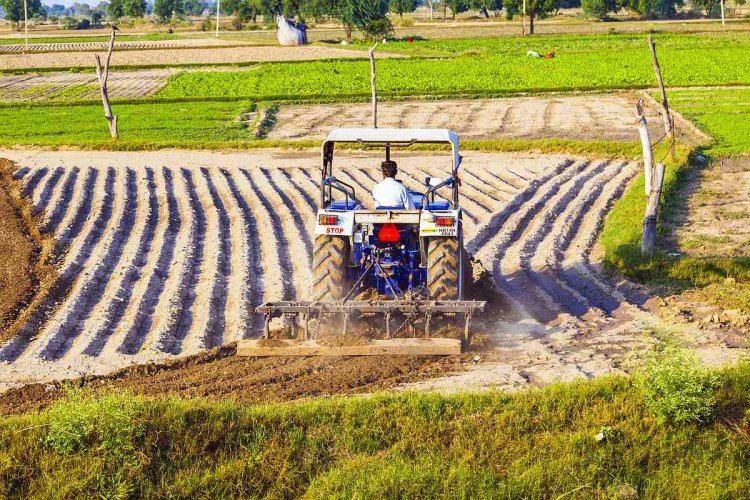
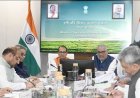
Agriculture, often described as the backbone of India’s economy, has been flagged as both a strength and a vulnerability in a new parliamentary report. The Standing Committee on Finance, chaired by Bhartruhari Mahtab, has urged a careful rethink of farm-sector strategy, suggesting that while subsidies remain necessary for food security, the long-term focus must tilt towards investment in productivity and resilience.
The Twenty-Sixth Report on the “Roadmap for Indian Economic Growth in Light of Global Economic and Geopolitical Circumstances” describes agriculture as a key catalyst for growth. It commends the government’s new missions for pulses, cotton, fruits, vegetables, and high-yielding seeds, but cautions that incremental adjustments will not be enough to unlock the sector’s potential.
Harvest Gains Provide Breathing Space
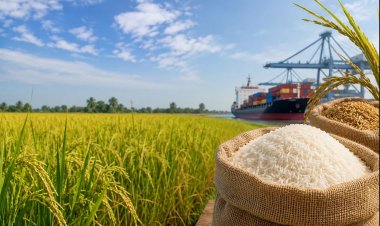
Foodgrain production for 2024-25 is projected 6.5 percent higher than the previous year, supported by a robust rabi harvest and expanded summer sowing. Procurement has also been strong: 300 lakh metric tonnes (LMT) of wheat and 513.9 LMT of rice, taking combined grain stocks to 749 LMT—far exceeding the buffer requirement of 210 LMT.
With the India Meteorological Department forecasting above-normal rainfall, kharif prospects look bright, and inflationary pressures are expected to ease. The committee acknowledged these gains as a stabilising factor for the economy.
Yet, as Mahtab noted in the report’s introduction, India’s growth model must be anchored in resilience, not just favourable circumstances. “Agriculture cannot be left to muddle through on incremental adjustments,” he warned. “Without decisive investment, the sector risks being trapped between rising expectations and stagnant capacity.”
From Subsidy to Investment
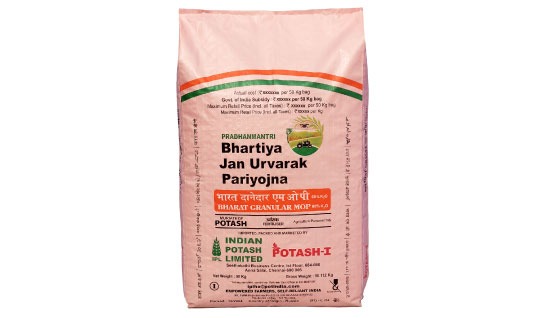
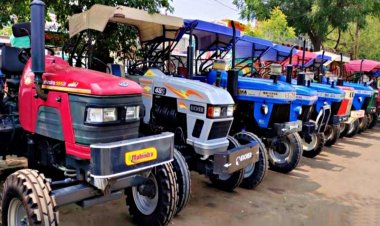
The panel did not call for rolling back subsidies, recognising their role in ensuring food security through programmes such as the Pradhan Mantri Garib Kalyan Anna Yojana and the “Bharat” brand distribution of essentials. However, it hinted at the limits of subsidy-heavy spending, stressing the importance of irrigation, storage, mechanisation, and seed technology to build lasting capacity.
The Budget 2025–26 initiatives—ranging from a six-year mission for pulses self-reliance to a five-year plan for cotton productivity—were cited as examples of how policy is beginning to move in this direction. The committee urged effective execution, tailored to local conditions, if these schemes are to succeed in raising rural incomes and reducing import dependence.
Integrating Agriculture with Broader Growth
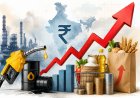
The report situates agriculture firmly within the wider economic agenda. Food price stability, it argues, is critical to containing inflation, while rural prosperity is central to inclusive growth. Investments in cold chains, storage, and rural logistics are presented as necessary complements to crop-level reforms.
For Mahtab and his panel, the challenge is not to discard existing safety nets, but to gradually shift the balance. In their view, India’s agricultural future rests on careful sequencing: using today’s healthy harvests and grain buffers as an opportunity to lay down the foundations for tomorrow’s resilience.
A Cautious Path Ahead
The committee’s recommendations stop short of radical reform, but they do signal a change in tone. They suggest that India’s farm sector, long supported by subsidies, must now be strengthened by steady capital formation and climate-smart strategies.
With grain stocks secure and the monsoon outlook strong, the report frames the present as a rare window of opportunity. Whether policymakers seize it, as Mahtab warns, will determine whether agriculture emerges as a driver of growth—or remains a drag on India’s economic ambitions.