Goat Milk: A Rising Star in the Global Dairy Industry
Goat milk is emerging as a global dairy star with superior digestibility, hypoallergenic properties, and rich nutrients. Demand is rising due to health-conscious trends and lactose intolerance. India, home to over 148 million goats, has strong potential for exports and value-added products. With technology, policy support, and rural engagement, goat milk could boost nutrition, sustainability, and farmer incomes.


 Join the RuralVoice whatsapp group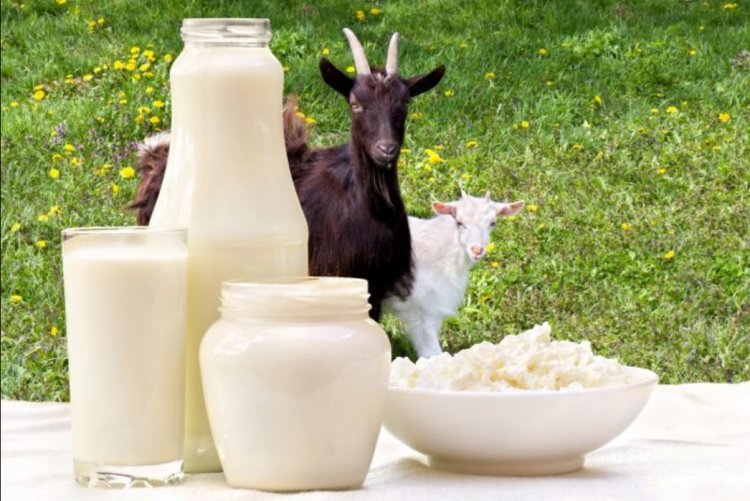
As the global population becomes increasingly health-conscious and aware of dietary intolerances, the demand for functional, gut-friendly dairy is on the rise. Goat milk, once a staple in Asia, Africa and the Mediterranean now gaining worldwide recognition with its digestive tolerance, hypoallergenic properties, and impressive nutrient density, is leading this shift. With over 148 million goats (FAO, 2024), India stands at a critical juncture, holding the potential to become a global powerhouse in goat milk production and exports.
Nutritional Excellence: A Comparative Advantage
Goat milk offers several nutritional benefits that set it apart from cow milk and even human milk in some aspects. Per 100 ml, it contains higher protein and fat content, making it more satiating and energy-dense.
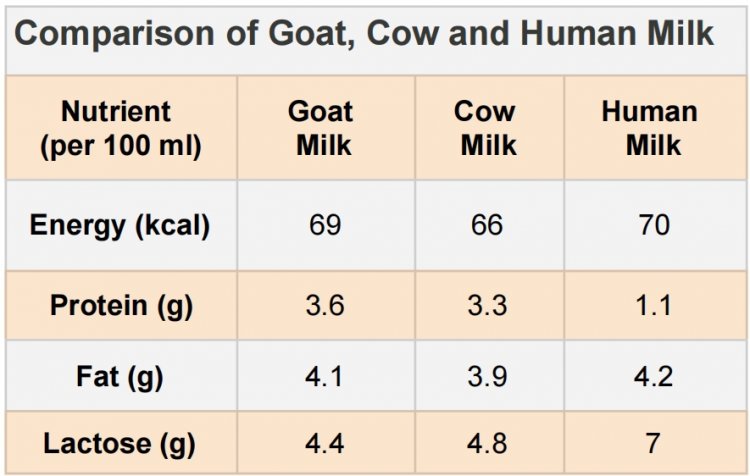
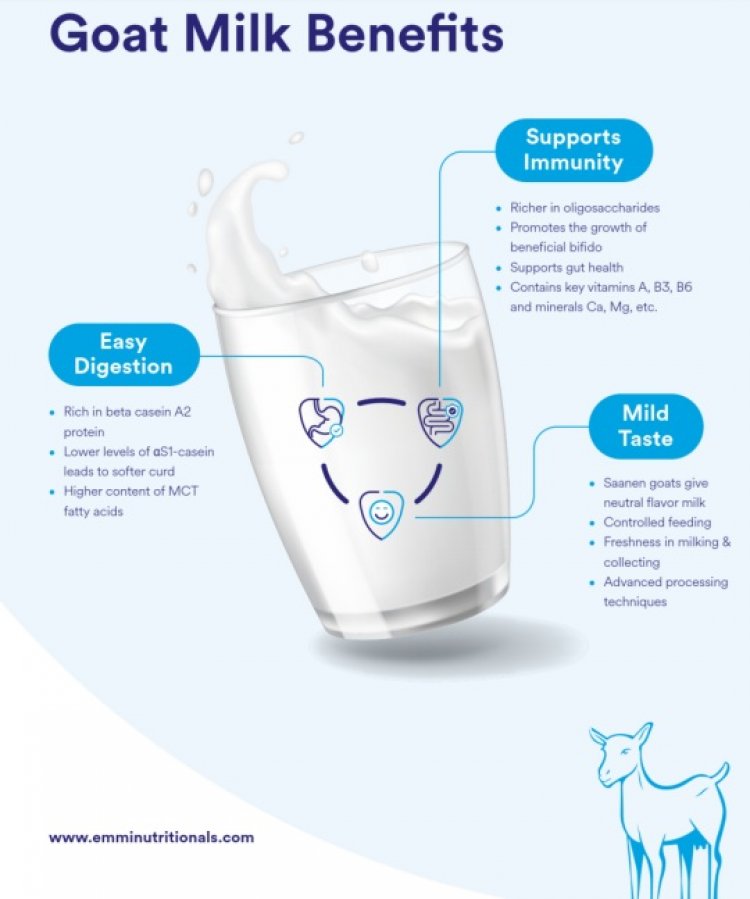
Smaller fat globules and a lower concentration of αs1-casein protein make goat milk more digestible and less likely to trigger allergic reactions. This makes it particularly suitable for infants, the elderly, and individuals with lactose intolerance or cow milk allergies.
Furthermore, goat milk is rich in essential minerals such as calcium, phosphorus, and magnesium, and vitamins including Vitamin A and B2 (Riboflavin). Trace elements like zinc and selenium enhance immunity and antioxidant defence.
However, it falls short in folic acid and Vitamin B12, which are crucial for red blood cell formation and neurological function, especially in infants. This necessitates fortification, particularly in goat milk–based infant formulas.
Modern Processing: From Raw Milk to High-Value Products
As consumer demand increases, the dairy industry is evolving rapidly, leveraging advanced processing techniques to ensure longer shelf life and improved product safety. Key technologies include:
Pasteurization: Goat milk is processed using low-temperature long-time (LTLT) or high-temperature short-time (HTST) methods. However, its proteins are more heat-sensitive than cow milk proteins, requiring precise control to maintain nutritional value.
Homogenization: Although optional due to goat milk’s naturally fine fat structure, it is used in value-added products like yogurt and ice cream to improve texture and consistency.
Fermentation: The production of probiotic-rich kefir and yogurt enhances digestibility and gut health, appealing to the health-conscious consumer base.
Spray Drying: Turning milk into powder is increasingly common for easier transport, longer storage, and export potential. It also opens doors for formulations in functional foods and nutraceuticals.
From Chèvre to Colostrum: A Growing Product Portfolio
Goat milk is not limited to fluid milk. Its versatility allows the production of a wide range of value-added products that are gaining popularity across global markets:
Cheeses: Varieties like chèvre, feta, and labneh have distinctive flavours and textures. These are in high demand across urban and international markets.
Yogurt and Kefir: These fermented products are rich in live probiotics, aiding digestion and boosting immunity.
Infant Formula: Owing to its structural similarity to human milk fat and protein, goat milk is becoming the preferred base for allergy-friendly infant nutrition.
Ice Cream and Butter: Though niche, these are increasingly available in gourmet and organic retail chains.
Colostrum Supplements: Goat colostrum is rich in immunoglobulins and lactoferrin, compounds that enhance immune function and are now being explored in the nutraceutical and pharmaceutical sectors.
Scientific Backing for Health Benefits
Numerous clinical and scientific studies support goat milk’s functional health properties, such as:
-Easier digestion due to softer curd formation
-Presence of Medium-Chain Triglycerides (MCTs) that aid fat metabolism and energy production
-Lower allergenic potential compared to cow milk
-Naturally occurring antibacterial peptides that help support immune health
-Proven benefits for people with malabsorption syndromes or digestive disorders
Its compatibility with clean-label and natural health trends makes it a favourite in modern, health-driven markets.
A Booming Global Market
The market for goat milk is rapidly expanding. According to Allied Market Research, the global goat milk market is projected to reach USD 17.9 billion by 2030, growing at a CAGR of 4.6%. Key factors driving this growth include:
-Rising prevalence of lactose intolerance
-Demand for sustainable and ethical dairy alternatives
-Growth of the fortified food and personalized nutrition sectors
India, with its vast goat population and existing dairy infrastructure, is uniquely positioned to become a global leader in goat milk production and export.
India’s Strategic Push: Unlocking Rural Potential
Institutions such as the National Dairy Development Board (NDDB), along with various agribusiness startups, are working on the integration of goat milk into mainstream dairy channels. Current initiatives include:
-Establishing milk collection centers and cold chains in rural areas
-Training farmers and Farmer Producer Organizations (FPOs)
-Promoting public-private partnerships for processing and marketing
-Conducting consumer awareness campaigns to educate the public about the health benefits of goat milk
These steps aim to empower smallholders, many of whom are women and marginal farmers, thereby boosting rural livelihoods and reducing poverty.
The Future: Innovation & Opportunity
Innovation is driving the future of goat milk. Emerging focus areas include:
-Lactose-free formulations for ultra-sensitive consumers
-Dairy-plant milk blends combining goat milk with soy, almond, or millet for enhanced nutrition
-Advanced filtration and peptide extraction technologies for clinical and pharmaceutical use
-Sustainable packaging and carbon-footprint reduction to meet global eco-conscious standards
With a proper mix of technology, education, policy support, and investment, goat milk has the potential to transform not only diets but also the socio-economic fabric of rural India.
Conclusion: More Than Just Milk
Goat milk is no longer a niche or traditional product—it is a nutritional powerhouse and an economic catalyst. As global consumer trends shift towards clean-label, functional, and digestible dairy alternatives, India has the resources and the rural base to become a leading supplier of goat milk and its value-added derivatives.
The journey ahead involves not only producing milk but also creating a sustainable ecosystem that benefits consumers, processors, and especially the rural farmers who form the backbone of India’s livestock economy.
(Writers are MVSC Scholars, Department of Livestock Products Technology, College of Veterinary Science and Animal Husbandry, DUVASU Mathura-281001, India)