
War Jolts Energy Markets, Brent Reaches $120, but Retreats as G7 Considers Emergency Release
Global crude oil prices crossed $119 a barrel Monday, but retreated as G7 nations discussed releasing emergency petroleum reserves to stabilize markets amid escalating Middle East tensions. Supply disruptions, falling Iraqi output and near-halted tanker traffic through the Strait of Hormuz have heightened global energy concerns, while India faces currency pressure due to rising crude prices.

 Join the RuralVoice whatsapp group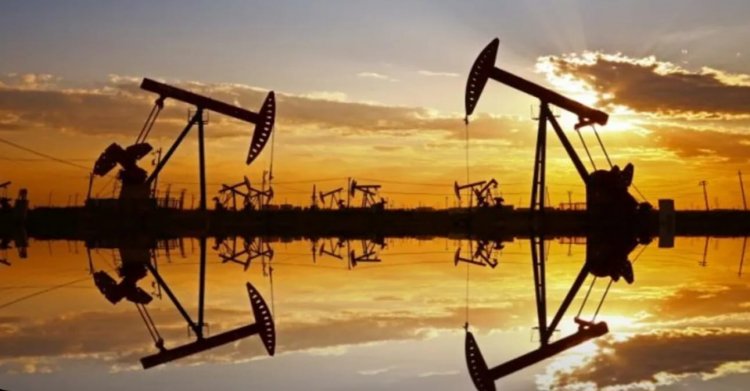
Brent crude prices, on Monday, surged to $119.50 per barrel, reflecting fears of supply disruptions caused by the intensifying conflict in the Middle East. Though the prices retreated as reports emerged that G7 finance ministers are considering a coordinated emergency release of strategic petroleum reserves to stabilize markets amid escalating tensions in West Asia that have disrupted oil supplies and shipping routes. Meanwhile, External Affairs Minister S. Jaishankar told Parliament on Monday that India remains committed to peace and diplomacy in response to the deteriorating situation in West Asia.
The Financial Times reported that G7 officials and International Energy Agency (IEA) chief Fatih Birol are scheduled to hold an emergency call in New York to discuss a possible joint release from strategic petroleum reserves in an effort to calm volatile oil markets.
According to reports, at least three G7 countries, including the United States, support the move. U.S. officials are reportedly considering releasing 300-400 million barrels of crude, potentially drawing on about 25-30% of the IEA system’s 1.2 billion barrels of public emergency reserves. These reserves were originally created after the 1973-74 oil crisis to help stabilize global markets during severe supply disruptions.
IEA member states collectively hold more than 1.24 billion barrels of government-controlled reserves, along with an additional 600 million barrels in industry stocks that could be mobilized during emergencies. Strategic reserves have been released collectively only five times since the IEA was established, most recently in 2022 following Russia’s invasion of Ukraine.
Despite the partial pullback in prices, crude remains sharply higher on the day, marking the largest single-day gain since 2020 as traders continue to factor in the risks of prolonged supply disruptions due to the ongoing regional conflict. Brent was trading at $107.20 per barrel, up 15.65% on the day, while U.S. benchmark WTI crude stood at $103.18, up 14.26%.
A reminder of 1970s crisis
The situation has revived memories of the 1970s oil crisis, when crude prices soared nearly 300% after Arab members of the Organization of Petroleum Exporting Countries (OPEC) imposed an oil embargo during the 1973 Arab-Israeli war. At that time, global oil prices jumped from about $3 per barrel to $12, after nearly 7-9% of global supply was suddenly removed from the market.
The current conflict has already begun affecting production in the region. Iraq’s oil output from southern fields has plunged about 70%, with daily production falling to 1.3 million barrels from around 4.3 million barrels before the war began. Iraq’s oil exports have also collapsed from over 3.33 million barrels per day to just 800,000 barrels.
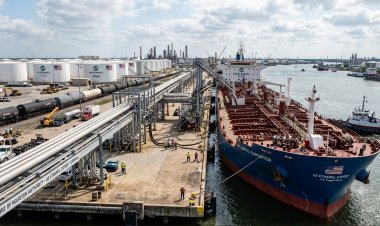
Iraq was the first major oil producer to cut output due to tanker traffic disruptions in the Strait of Hormuz, a vital global energy shipping route. Kuwait and the United Arab Emirates have also announced production cuts as maritime traffic through the strait has nearly come to a halt.
According to the Joint Maritime Information Center, last week vessel traffic through the Strait of Hormuz dropped dramatically from an average of 138 ships per day to just two vessels within a 24-hour period, none of which were oil tankers. The agency described the regional maritime risk environment as “critical”, citing ongoing conflict dynamics and security warnings affecting commercial shipping.
Energy prices shock Indian currency
The energy shock is already affecting major importing economies such as India. The Indian rupee fell to a record low of Rs 92.347 per dollar on Monday despite intervention by the Reserve Bank of India, as rising oil prices increased pressure on the country’s economy.
India imports nearly 90% of its crude oil requirements, making it particularly vulnerable to global energy price spikes that can widen the current account deficit and increase inflationary pressures.
Karthik Ganesan, Fellow and Director, Strategic Partnerships, Council on Energy, Environment and Water (CEEW), "The spike in prices and supply shocks once again bring to fore India's tenuous relationship with imported crude oil. This must give us even more impetus to seek solutions to reduce our dependence on imported crude. Driving down demand for oil products from private mobility by pricing it appropriately and incentivising a slow shift to electric cooking and away from LPG in urban India, can help alleviate the situation, even in the short to medium term."
EAM Jaishankar makes statement in the Parliament
Meanwhile, External Affairs Minister S. Jaishankar told Parliament on Monday that India remains committed to peace and diplomacy in response to the deteriorating situation in West Asia. Making a suo motu statement in both Houses of Parliament, Jaishankar said the developments in the region are a “deep cause for concern,” adding that India supports dialogue, de-escalation, restraint, and the protection of civilians as the best path to resolving the crisis.