
IBET 2025: Farm-to-Fuel Seminar Calls for Farmer-Centric Bioenergy Ecosystem
Building a robust farm-to-fuel economy demands stable policies, a reliable feedstock supply, and the protection of farmers’ interests. The seminar underscored the need to align India’s bioenergy goals with the vision of higher farm incomes and rural prosperity.

 Join the RuralVoice whatsapp group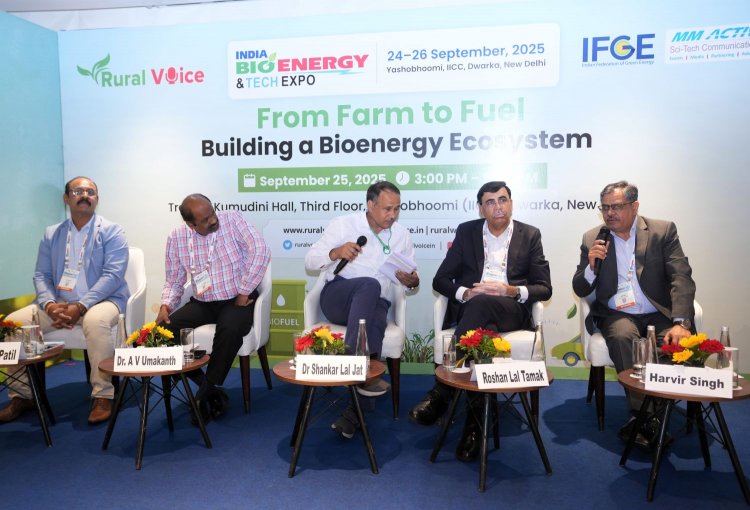
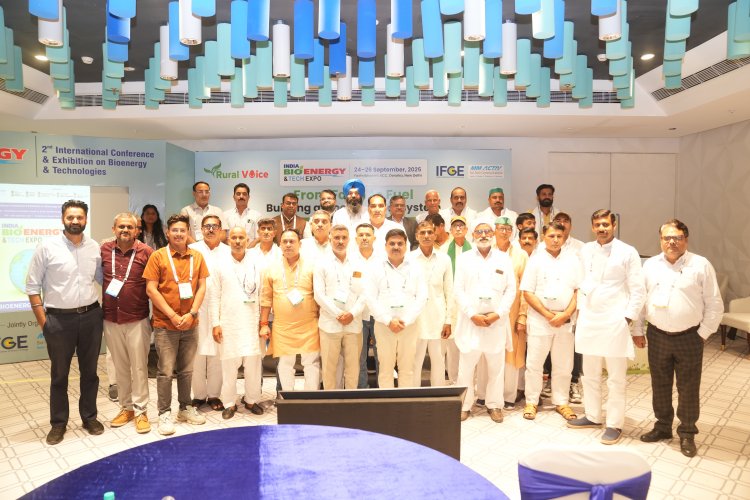
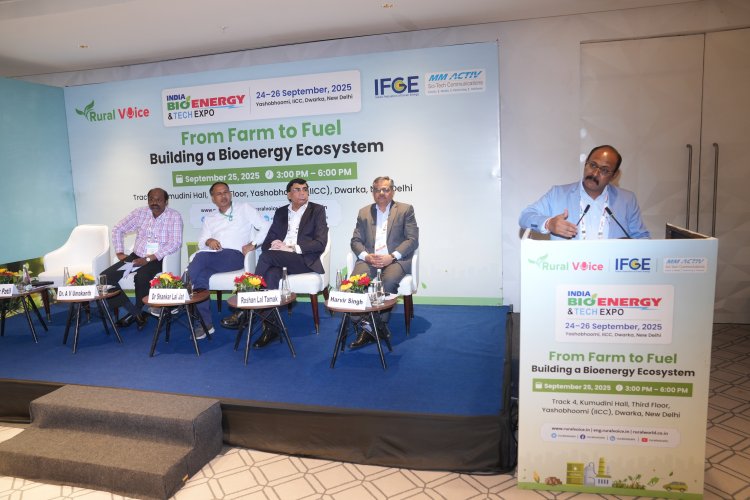
The India BioEnergy & Tech Expo 2025, held at Yashobhoomi, New Delhi, featured a high-powered seminar titled “Farm to Fuel: Building a Bioenergy Ecosystem,” jointly organised by Rural Voice and the Indian Federation of Green Energy (IFGE). The session brought together farmers, industry leaders, scientists, and policymakers to deliberate on building a resilient farm-to-fuel value chain that empowers farmers and drives India’s bioenergy revolution.
Panel 1: Leveraging Agricultural Produce for Energy Security
- Dr A.V. Umakanth, Principal Scientist, ICAR–Indian Institute of Millets Research, underlined the potential of sorghum as feedstock for 1G and 2G ethanol and compressed biogas (CBG). He noted that newly developed sorghum varieties offer higher grain, fodder, and biomass yields.
- Dr Shankar Lal Jat, Senior Scientist, ICAR–Indian Institute of Maize Research, presented maize as a success story in India’s ethanol program. He said farmers have benefitted from better price realization, and even with rising production, maize will remain a profitable feedstock.
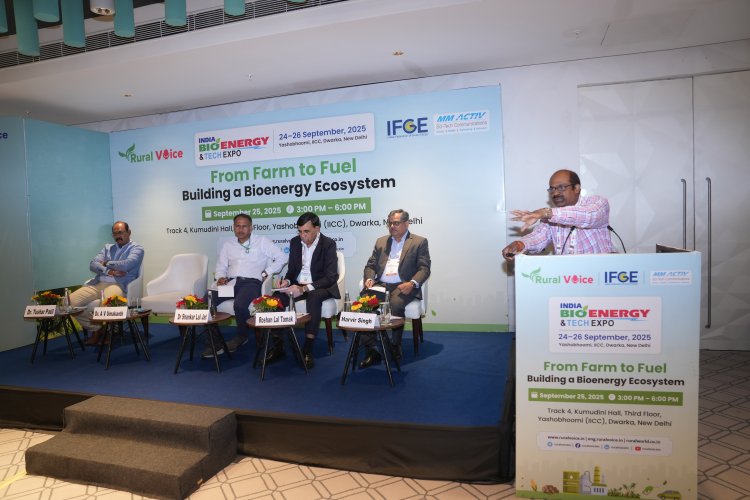
- Roshan Lal Tamak, CEO & Executive Director, Sugar Division, DCM Shriram Ltd., stressed the importance of strengthening industry linkages to improve farmer incomes and create an efficient feedstock supply chain. He cautioned against productivity gaps, pointing to the large difference between average and best yields achieved by farmers.
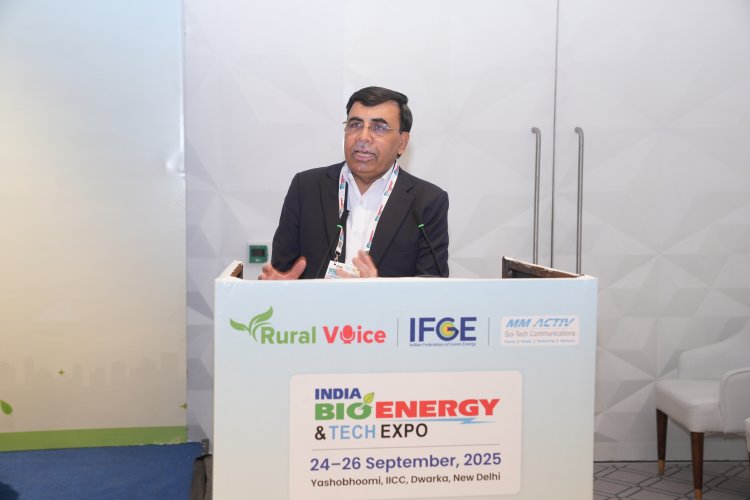
- Dr Tushar Patil, AVP–Corporate Strategy, Praj Industries, discussed opportunities for farmer collectives in the evolving bioenergy ecosystem. He emphasized future growth pathways, market development, and models for enhancing rural prosperity.
Panel 2: Economic Gains from Bioenergy and Circular Economy
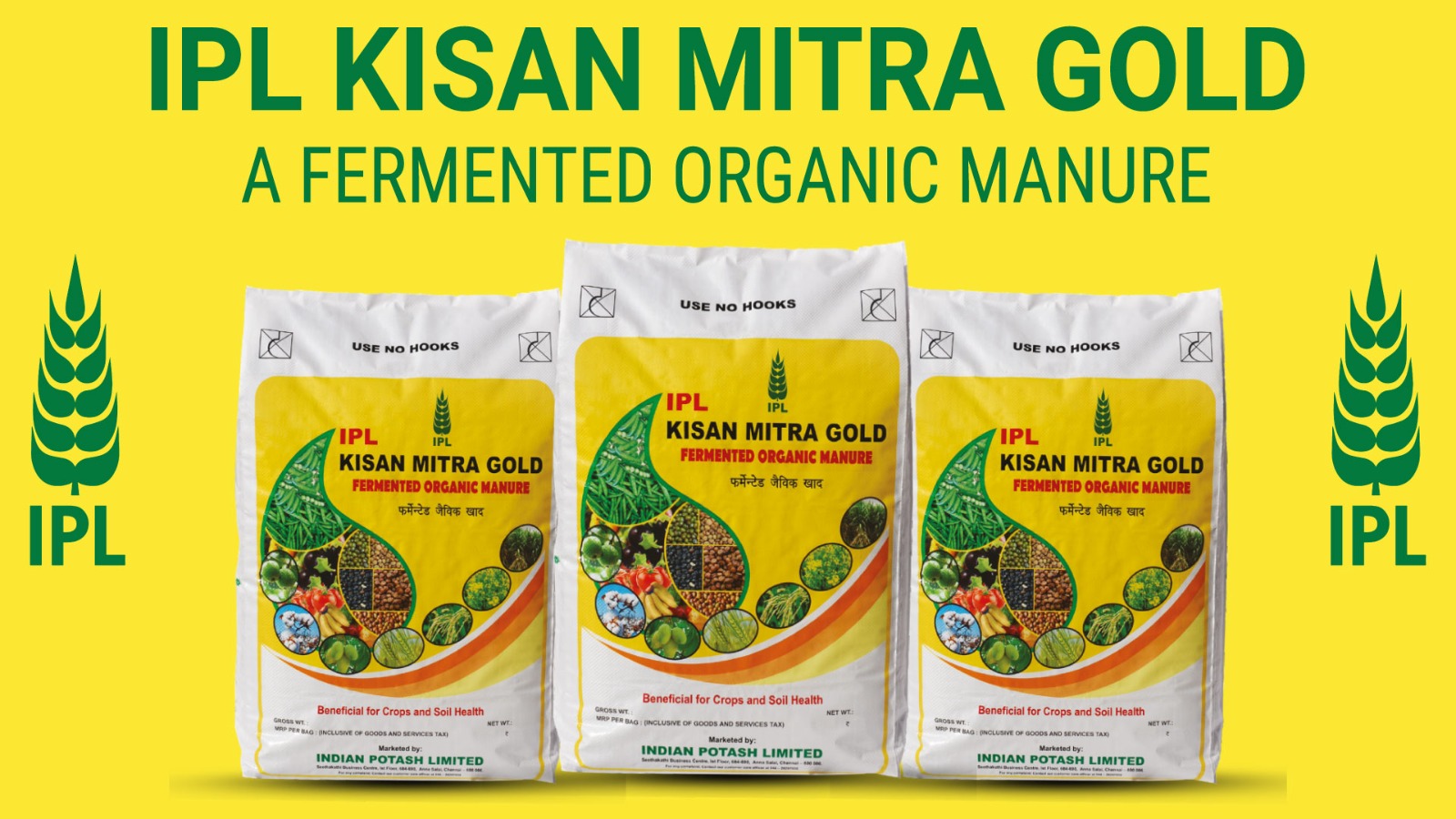
- Dr Suresh Kumar Chaudhari, Director General, Fertilizer Association of India, emphasized the role of organic manure in maintaining soil health and carbon balance. Raising concerns over spurious fertilizers, he called for rigorous testing and standards for new products such as FOM (Fermented Organic Manure) and LFOM (Liquid Fermented Organic Manure).
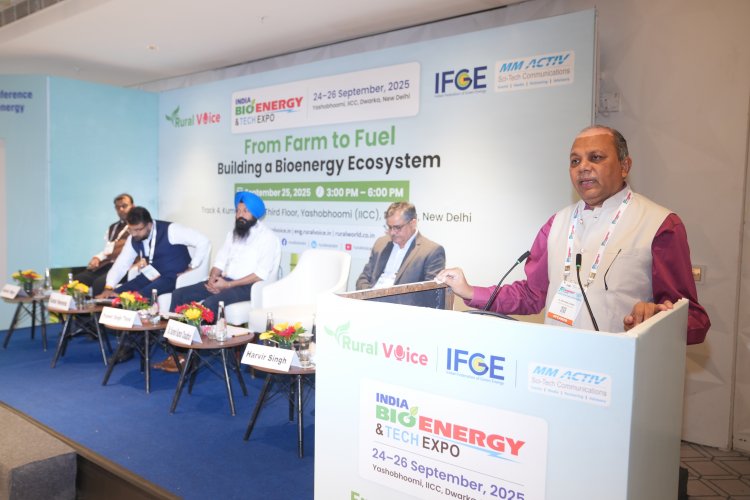
- Kumar Neelendu Jha, Founder & CEO, FarmWatt Innovations Pvt. Ltd., spoke about creating a sustainable agri-waste value chain, driven by farmer collectives and ecosystem enablers.
- Anik Roy, Joint Director, Trade Promotion Council of India, highlighted new trade and business opportunities in the bioenergy sector and called for promotion of advanced technologies that benefit farmers.
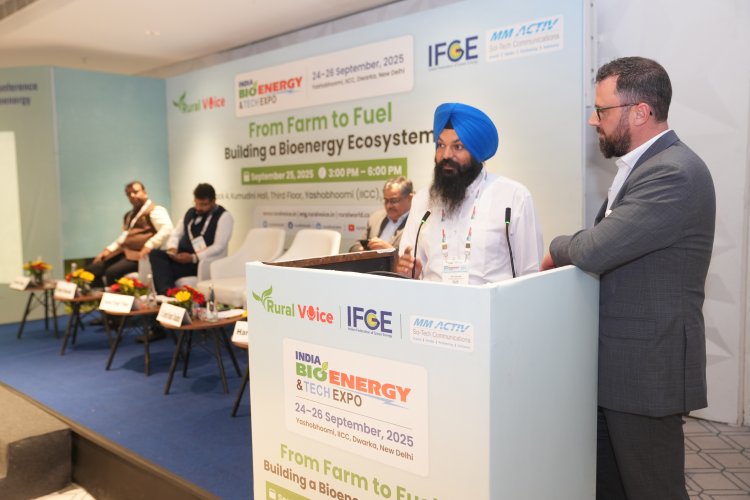
- Puneet Singh Thind, Founder & Director, Northern Farmers Mega FPO, stressed the importance of farmer cooperatives in building risk-taking capacity and strengthening bargaining power, drawing from his global experiences. Scott Matthies, Managing Director, Saskatchewan India Office, Canadian High Commission, New Delhi, also joined the seminar and shared his insights.
The sessions were moderated by Harvir Singh, Editor-in-Chief of Rural Voice and Rural World, who steered discussions around strategies to make the farm-to-fuel chain more inclusive and farmer-centric.
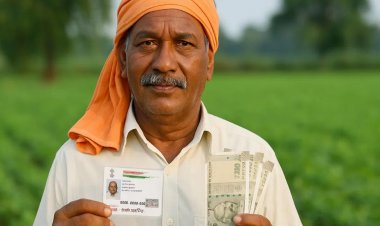
Progressive farmers from across states also shared their ground-level experiences, underscoring both opportunities and challenges in aligning bioenergy development with the goal of increasing farmers’ incomes. A farmers’ group from the Bhartiya Kisan Union (Arajnaitik), led by Dharmendra Malik, participated in the seminar. Another group of farmers came from the Saharanpur district of Uttar Pradesh.
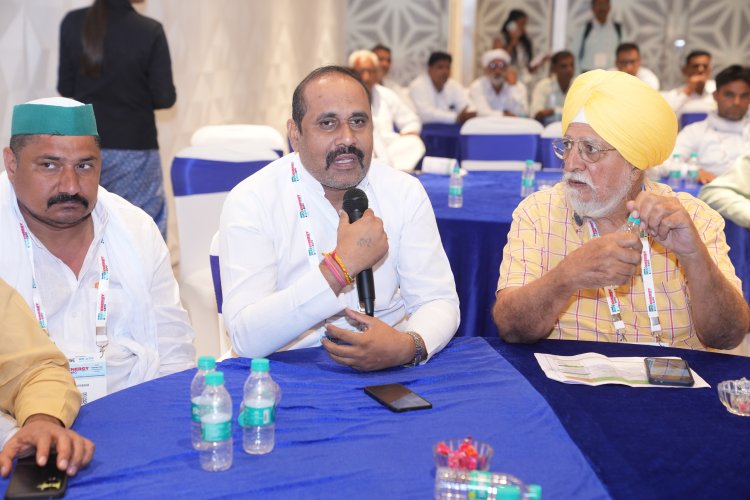
Farmers stressed that in the emerging bioenergy ecosystem, it is vital to safeguard farmers’ interests through access to high-yielding seed varieties, stronger market linkages, and assured better prices for their crops. Farmers also raised concerns about the use of FOM (Fermented Organic Manure) and LFOM (Liquid Fermented Organic Manure), highlighting the need for greater awareness and practical demonstrations.
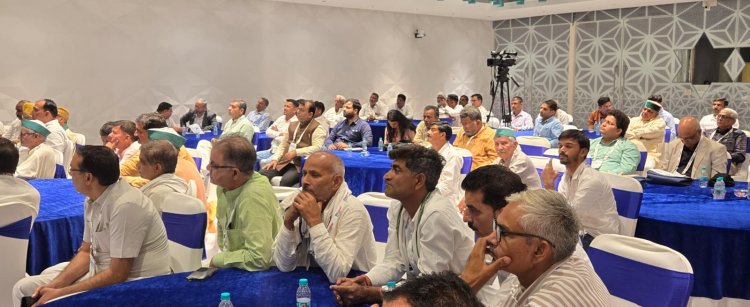
The seminar concluded that building a robust bioenergy ecosystem is not only critical for India’s energy security but also a powerful driver of rural development and farmer empowerment. Experts agreed that a sustainable farm-to-fuel economy will require stable policies, protection of farmers’ interests, and a reliable feedstock supply chain. The seminar underscored the need to align India’s bioenergy goals with the vision of higher farm incomes and rural prosperity.