
ICRISAT Secures Gene Editing Licence to Develop Climate-Resilient Crops for Smallholder Farmers
International Crops Research Institute for the Semi-Arid Tropics (ICRISAT) has secured long-term access to CRISPR-Cas9 in order to deploy gene editing, one of the world's most transformative new technologies, across smallholder Asian and African farms.

 Join the RuralVoice whatsapp group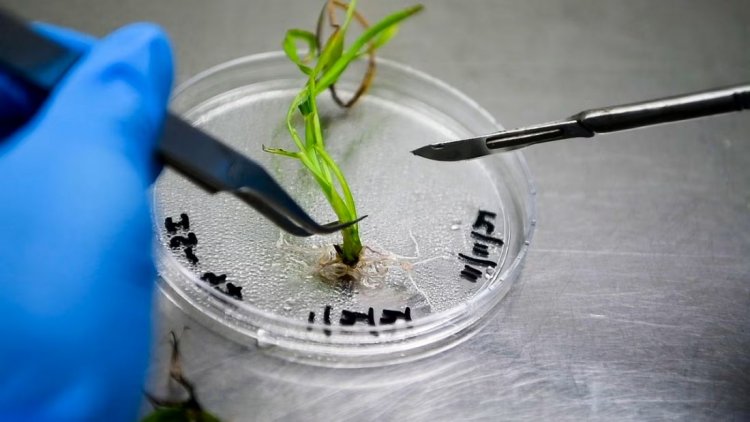
The International Crops Research Institute for the Semi-Arid Tropics (ICRISAT) has secured a long-term humanitarian licence to deploy CRISPR-Cas9 gene editing technology, a move expected to accelerate the development of climate-resilient crop varieties for millions of smallholder farmers across Asia and Africa.
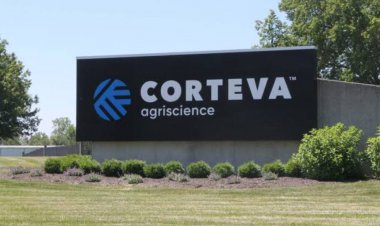
The licensing agreement with Corteva and The Broad Institute, Inc. gives ICRISAT long-term access to one of the world's most widely used gene-editing technologies, enabling it to develop improved varieties of pulses, millets and oilseeds with greater tolerance to drought, heat, pests and diseases. The technology is also expected to enhance crop productivity, nutritional quality and other farmer-preferred traits.
Unlike conventional plant breeding, which can take many years to combine desirable characteristics, gene editing allows scientists to make precise changes to a plant's own DNA without introducing genetic material from unrelated species. This significantly shortens the time required to develop improved crop varieties.
According to ICRISAT, the agreement creates a new pathway for delivering advanced seed technologies to smallholder farmers in developing countries, helping them cope with increasingly frequent climate shocks such as droughts and floods while improving farm productivity and incomes. It is also expected to contribute to food security by increasing agricultural output without expanding cultivated land.
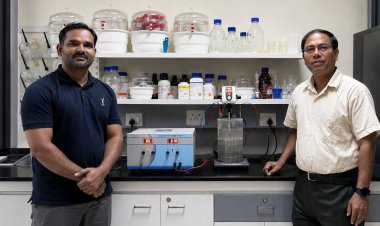
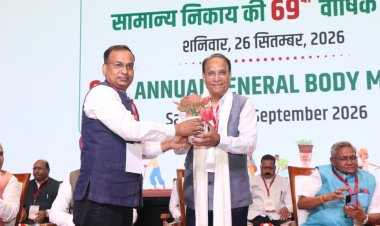
ICRISAT Director General Dr Himanshu Pathak described the agreement as a transformative humanitarian milestone for the institute and for millions of farming families dependent on dryland agriculture.
"Corteva's leadership in gene editing, combined with ICRISAT's world-leading breeding programmes and our long-standing partnerships with national agricultural research systems, will accelerate the delivery of practical crop innovations that strengthen food security, improve livelihoods and build more resilient agricultural systems across Asia and Africa," Dr Pathak said.
The licence enables ICRISAT to undertake the complete innovation pipeline—from research and product development to the deployment of gene-edited crop varieties—for its mandate crops. These include sorghum, pearl millet and other millets, chickpea, pigeonpea and groundnut.
ICRISAT said in a press release that this agreement complements its existing strengths in genomics, crop breeding, phenomics, seed systems and collaborations with national agricultural research institutions. Together, these capabilities are expected to accelerate the translation of scientific discoveries into improved crop varieties available to farmers.
Welcoming the collaboration, Dr Wendy Srnic, Vice President, Biotechnology at Corteva, said the company was proud to support ICRISAT in expanding access to gene-editing technology for smallholder farmers.
"We look forward to working together to develop crops that can better withstand extreme weather events, pests and diseases, and help farmers feed their communities while building a more resilient global food system," she said.
The agreement comes at a time when climate change is increasingly threatening agricultural productivity in rainfed regions of Asia and Africa. Crops such as millets, pulses and groundnut are vital for food security, nutrition and rural livelihoods in these regions, making faster development of resilient varieties a priority for agricultural research organisations.