
177 Talukas in Karnataka Drought-Hit, Could Reach 200; Maharashtra May Face 100% Drought by September-End
Drought conditions are intensifying across Karnataka, Maharashtra and Andhra Pradesh, with Karnataka set to raise drought-hit taluks to 177 and possibly 200. Maharashtra has warned of widespread drought by September-end, while Andhra Pradesh faces crop losses and demands for relief for farmers, tenant farmers and agricultural labourers.

 Join the RuralVoice whatsapp group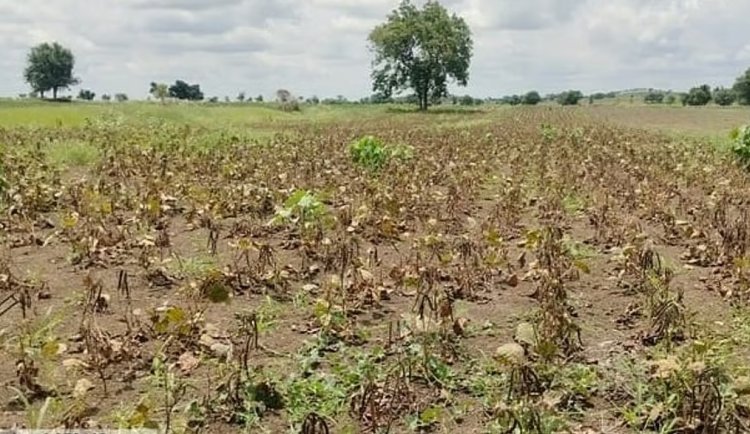
Drought conditions are worsening across southern states as deficient rainfall threatens kharif crops and farmer livelihoods. Karnataka is set to expand its drought declaration to 177 taluks, potentially reaching 200, Maharashtra has warned of widespread drought by September-end, while Andhra Pradesh is seeking immediate relief for farmers, tenant farmers and agricultural labourers.
Karnataka drought expands
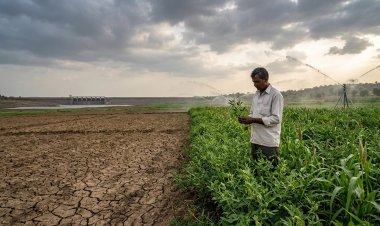
Karnataka is set to increase the number of drought-hit taluks to 177, with the figure potentially reaching around 200 in the coming days as rainfall and crop conditions continue to be assessed.
Deputy Chief Minister and Revenue Minister G Parameshwara told the Legislative Council on Tuesday that the state had recorded a 36% overall rainfall deficit between June and September. Against the normal rainfall of 852 mm, the state has received only 642 mm during the period.
The deficit has been particularly severe in South Interior Karnataka at 46%, North Interior Karnataka at 44%, Malnad at 38% and the coastal region at 28%.
Karnataka initially declared 101 taluks drought-hit, followed by another 23 after further assessment. Another 53 taluks are now expected to be added, taking the total to 177.
Parameshwara said the government was following the Centre's prescribed drought-assessment guidelines and would continue monitoring the situation to ensure relief reaches affected farmers. He attributed part of the rainfall deficiency to El Nino conditions.
Meanwhile, the Karnataka Rajya Raitha Sangha has threatened protests at district headquarters on September 28 if the special legislative session does not adequately address the drought situation.
Maharashtra faces worsening dry spell
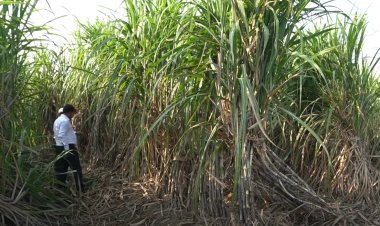
The situation is also deteriorating sharply in Maharashtra. Cooperation Minister Babasaheb Patil has warned that the state could face 100% drought by the end of September if the current conditions persist. Patil described the dry spell as the worst he had witnessed in his lifetime and said prolonged rainfall deficiency had caused extensive damage to major crops, including soybean, cotton and sugarcane.
The Maharashtra government on Tuesday constituted a cabinet sub-committee headed by Revenue Minister Chandrashekhar Bawankule to oversee the drought situation, assess crop losses and expedite relief measures for affected farmers.
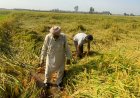
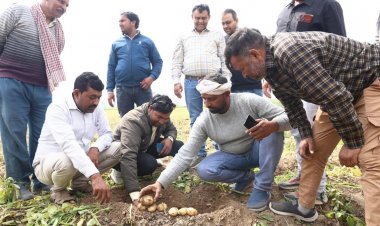
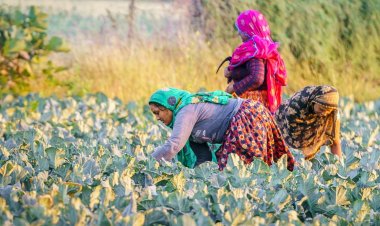
State Agriculture Minister Dattatray Bharane has confirmed a significant decline in cotton and soybean production. Amid farmers removing dry and wilted crops from their fields, the Agriculture Department has begun an early crop assessment to calculate compensation. The situation could also affect milk and poultry production and their prices, as some areas have already started facing fodder shortages.
The warning comes amid growing demands for an immediate drought declaration. Former Union Agriculture Minister Sharad Pawar recently urged Chief Minister Devendra Fadnavis to declare drought in severely affected areas and begin relief measures. Pawar has sought financial assistance of at least Rs 50,000 per hectare for affected farmers and Rs 25,000 per agricultural labourer family.
Andhra Pradesh seeks special relief package
In Andhra Pradesh, the CPI(M) has demanded immediate identification and declaration of drought-hit mandals along with a special relief package covering farmers, tenant farmers and agricultural labourers.
CPI(M) State secretary V. Srinivasa Rao said around 50 lakh acres had been sown, but there was little prospect of getting yields from even 20 lakh acres, indicating the scale of potential crop losses.
The party has demanded a loan waiver, 200 days of employment under MGNREGS and daily wages of at least Rs 2,310, along with compensation of Rs 7.5 lakh for every drought-affected tenant farmer family. It has also called for the establishment of fodder centres to protect livestock in affected areas.
The developments across the three states point to mounting pressure on state governments to expand drought declarations, assess crop losses and provide timely relief as the monsoon season draws to a close.