
Broken Rice Prices Cross $360/tonne; India May Reinstate Export Curbs
India may consider fresh restrictions on broken rice exports as international prices cross $360 per tonne and domestic prices rise. IREF cites growing ethanol and poultry-feed demand, inflation concerns and 2027 Assembly elections as factors that could prompt government intervention.

 Join the RuralVoice whatsapp group
India may revisit restrictions on exports of 100 per cent broken rice as domestic prices continue to rise amid growing competition between ethanol manufacturers, poultry-feed producers and exporters. The Indian Rice Exporters' Federation (IREF) has warned that international prices have crossed $360 per tonne, increasing the possibility of government intervention to protect domestic supplies. In the last one month, domestic prices of broken rice have increased by more than 5 percent.
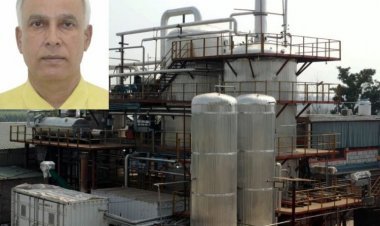
Vinod Kaul, Director General of IREF, said the rise in prices warranted attention as broken rice had become an important raw material for ethanol production and poultry feed, besides serving export markets. He cautioned that growing competition among these users could tighten domestic availability and put further pressure on prices.
The expansion of India's ethanol-blending programme has increased demand for grain-based feedstocks, including broken rice, maize and surplus rice supplied by the Food Corporation of India (FCI). Although the government allows surplus FCI rice to be used for ethanol production, private distilleries also procure raw materials from the open market. This brings them into direct competition with poultry-feed manufacturers and exporters. IREF said higher broken rice prices could raise input costs for these industries and add to wider inflationary pressures.
The government had prohibited exports of broken rice in September 2022, citing concerns over domestic availability and demand. The restrictions continued until March 7, 2025, when exports were moved back to the free category. IREF said the earlier decision showed that export controls remained an option when domestic supply requirements took precedence.
India's overall rice production is estimated at a record 154.02 million tonnes in 2025-26, compared with 150.18 million tonnes a year earlier. The country exported around 21.57 million tonnes of rice during the year. However, the federation pointed out that higher overall production does not automatically ensure sufficient availability of 100 per cent broken rice, whose supply depends on the milling process and faces separate demand pressures.
Assembly elections in Uttar Pradesh, Punjab, Uttarakhand, Goa and Manipur are scheduled in 2027. According to IREF, concerns over food inflation and the availability of feedstock for ethanol production could make the government more sensitive to rising prices. However, no fresh export restriction has been announced.
The federation has advised exporters to exercise caution while signing forward contracts and closely track domestic prices, rice-milling arrivals and demand from ethanol producers. It has also urged the government to consult industry stakeholders before imposing any restrictions and provide adequate transition time for existing contracts, letters of credit and committed shipments.
IREF said any policy intervention should balance domestic requirements with the interests of farmers, millers and exporters, while ensuring that India's reputation as a reliable supplier in global rice markets is not undermined.