
Food Prices Crash, Farmers Bear the Brunt as Inflation Hits Record Low of 0.25 pc
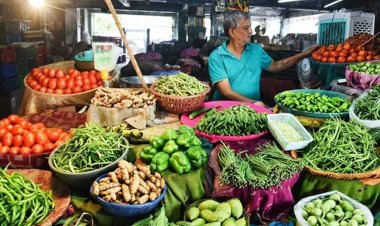
In mandis across these states, tomatoes, onions and potatoes are selling below the cost of cultivation.

 Join the RuralVoice whatsapp group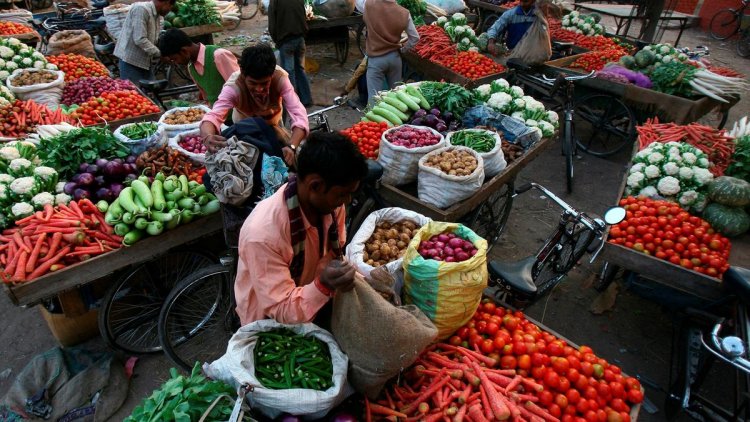
India’s farmers are paying the price for the country’s record-low inflation. The Consumer Price Index (CPI) rose just 0.25 per cent in October — the slowest pace since the series began in 2012 — as food prices collapsed across mandis. What’s a relief for households has become a crisis for cultivators, whose earnings are shrinking even after a strong harvest.
According to the Ministry of Statistics and Programme Implementation, food inflation fell sharply to minus 5.02 per cent in October from minus 2.33 per cent a month earlier, marking the steepest decline in over a decade. Prices of vegetables, cereals, pulses, fruits and edible oils all tumbled after an abundant kharif crop, improved logistics and easing global prices. In simple terms, the very success of farmers in producing more is now working against them.
Rural inflation turned negative at minus 0.25 per cent, compared with 1.07 per cent in September, while urban inflation eased to 0.88 per cent. The contrast is telling: while urban consumers enjoy cheaper essentials, the countryside is gripped by a deflationary chill. In key farm states like Bihar, Uttar Pradesh and Madhya Pradesh, overall prices have fallen by up to two per cent, reflecting how deeply rural markets are being hit.
In mandis across these states, tomatoes, onions and potatoes are selling below the cost of cultivation. Edible oil prices are nearly 25 per cent lower than a year ago, tracking global oversupply. “Farmers are getting less than what it costs to grow,” said a senior agriculture ministry official, who admitted that falling mandi prices are eating into farm incomes. “Vegetable prices have fallen by more than 20 per cent, and pulses and cereals are under pressure. It’s not a healthy situation.”
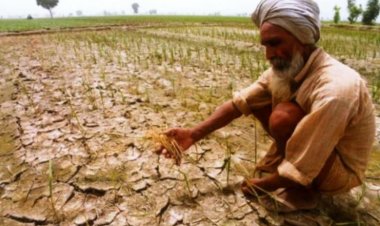
For small and marginal farmers, the timing couldn’t be worse. Input costs — particularly diesel and fertilisers — remain high, while rural wages have stagnated. The imbalance means many cultivators are slipping into debt even in a good crop year. Economists describe it as a recurring paradox of Indian agriculture: every bumper harvest triggers a price crash.
“This isn’t a story of efficiency; it’s distress in disguise,” said a Delhi-based farm economist. “When farmers produce more, they earn less. The system lacks enough price support, storage, and processing capacity to absorb the surplus.”
Experts warn that prolonged deflation in food prices could dampen rural demand — a key engine of India’s overall growth. While low inflation gives comfort to policymakers and may prompt the Reserve Bank of India to cut rates in December, it also exposes the fragility of the rural economy.
Madan Sabnavis, Chief Economist at Bank of Baroda, said mandi prices for cereals and pulses have dipped below minimum support levels in some regions. “The headline figure looks good, but the rural distress behind it is worrying,” he noted. He expects inflation to average around 2.5 per cent this year and rise gradually to 4 per cent by March 2026.
The irony, economists say, is that inflation has cooled not because of policy efficiency but because India’s farmers are earning less for what they grow. Unless procurement improves and farmgate prices are stabilised, the next round of deflation may deepen rural distress further — even as consumers enjoy cheaper food on their plates.