
World Bank Sees Commodity Slide Deepening in 2026; Relief for India’s Inflation, Risks for Farmers
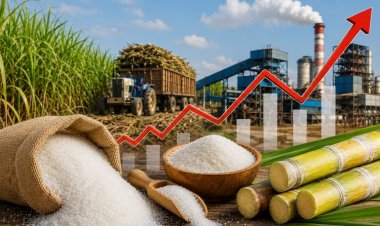
Global commodity markets are set for another year of decline, with the World Bank projecting a 7% price fall in 2025 and 2026 amid weak demand and ample supplies. This offers relief to inflation-hit economies like India, but raises serious concerns over rural incomes as food and fertilizer prices soften further.

 Join the RuralVoice whatsapp group
Global commodity markets are heading into another year of decline, with the World Bank projecting a 7% fall in prices in both 2025 and 2026 as weak demand and ample supplies combine to extend one of the longest deflationary runs in recent memory. The forecast spells relief for inflation-hit economies like India — but also raises concerns over farm incomes amid falling global food and fertilizer prices.
A fourth year of global price declines
According to the World Bank Commodity Price Outlook released this week, the decline spans nearly all categories — from energy to agriculture. Oil, metals and most food commodities are expected to soften through 2026, while gold and silver may remain outliers due to safe-haven demand.
Agricultural prices, in particular, are projected to “edge down” in 2026 after a period of stability this year. The World Bank said strong supply conditions across major producing nations — especially in grains, oils and meals — will keep prices range-bound. Food prices are expected to fluctuate only marginally, with grains, edible oils, and other farm produce settling near their 2024 levels.
Soybeans, which have been at the centre of trade frictions between the U.S. and China, are forecast to remain stable as new export flows from Brazil and Argentina fill the void left by restricted U.S. shipments. Beverage commodities such as coffee and cocoa could fall 7% next year as weather conditions improve, though fertilizer prices — up 21% this year — may stay elevated despite a modest 5% expected decline in 2026.
Soft landing for global food prices
The World Bank’s analysis suggests a rare period of synchronized moderation: subdued demand, steady harvests and cooling energy costs are expected to ease price pressures worldwide. “Supply growth for key crops is returning to long-term trends,” the report said, noting that bumper harvests in South America and improved yields in Asia are keeping inventories comfortable.
That has already shown up in retail trends across developing economies. In India, vegetable and pulse prices have plunged sharply over the past quarter. Crisil’s latest Roti Rice Rate report showed a 10% drop in the cost of a home-cooked vegetarian thali, driven by cheaper onions, potatoes and pulses.
Bank of Baroda’s Essential Commodities Index — a barometer of domestic price trends — has now contracted for six consecutive months, its steepest fall since inception, as tomato, onion and potato prices entered deep deflation territory.
Good news for inflation, bad news for farmers
For India, this global downshift offers near-term comfort on inflation. Economists expect headline retail inflation to drop below 1% in October, helped by easing food and fuel costs. Lower global commodity prices also reduce import bills and could allow the Reserve Bank of India to maintain its current interest rate stance for longer.
Yet the flip side is emerging in the countryside. Falling grain, oilseed and pulse prices threaten to erode farm incomes just as higher fertilizer and diesel costs eat into margins. “We are entering a phase where inflation relief for consumers could translate into income stress for producers,” said an agricultural policy analyst with a public-sector bank.
Energy and fertilizer trends to watch
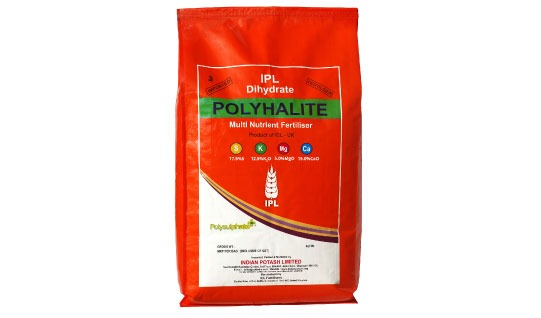
While the global oil market remains oversupplied, fertilizer prices continue to pose risks. The World Bank expects fertilizer costs to stay well above their 2015–19 averages due to export restrictions from China and Belarus, as well as new European Union tariffs on Russian products. These factors could blunt the benefits of lower food prices for farmers who depend on imported nutrients.
At the same time, energy markets remain volatile. Brent crude is forecast to average $68 a barrel in 2025 — down from $81 this year — and could slip further to $60 in 2026 as electric vehicles and renewables dent demand.
India’s delicate balance
For India’s policymakers, the global softening represents both an opportunity and a warning. Cheaper imports and subdued food inflation could help manage the fiscal deficit and ease consumer strain. But persistent weakness in agri-commodity prices could depress rural demand — a crucial growth engine for the broader economy.
Analysts say the government may need to step up procurement or expand export markets to prevent distress in sectors such as pulses and edible oils. “This is a window to rebuild buffers — not to relax,” said an economist tracking rural inflation trends.
The bottom line
As 2026 approaches, the world is set for another year of declining commodity prices — a sign of global economic fatigue and abundant supply. For India, it means a respite from inflation but a looming question: how to balance consumer comfort with the sustainability of farm livelihoods.