
Himachal's Proposed MIS Policy Raises Concerns Among Apple Growers Over 30-Bag Purchase Cap and Mandatory Farmer ID
The Himachal Pradesh government's proposed new MIS policy has raised concerns among apple growers in the state. The policy may include provisions such as limiting the purchase of a maximum of 30 bags of C-grade apples per orchardist, requiring a Farmer ID (AgriStack), and digitizing the procurement process.

 Join the RuralVoice whatsapp group
Apple growers in Himachal Pradesh are expressing concern over the state government's proposed Market Intervention Scheme (MIS) policy, which could introduce a cap on apple procurement, make Farmer ID (AgriStack) mandatory, and bring several other changes to the procurement process.
The state government is expected to place the draft MIS policy before the Cabinet for approval on July 20. If cleared, the new rules will come into effect this apple season for the procurement of C-grade (juice-grade) apples.
Harish Chauhan, Convenor of the Sanyukt Kisan Manch, told Rural Voice that the Centre had effectively withdrawn its support for the MIS in 2023 and that the state government now appears to be weakening the scheme further.
According to Chauhan, one of the most contentious proposals is to limit procurement under the MIS to 30 bags of C-grade apples per grower. He described the move as anti-farmer, arguing that it could leave a substantial quantity of juice-grade apples outside the procurement system, causing significant financial losses to thousands of orchardists.
"During adverse weather conditions, a large quantity of apples often gets downgraded to C-grade. If procurement is capped at just 30 bags per grower, the remaining produce will either have to be sold at distress prices or may not find buyers at all," he said.
Mandatory Farmer ID and Digital Procurement
Under the proposed policy, every orchardist selling apples under the MIS will, for the first time, be required to possess a Farmer ID under the AgriStack platform. Growers will also have to submit land ownership documents, including revenue records (Jamabandi), before becoming eligible for procurement.
Without a Farmer ID, procurement under the scheme will not be permitted.
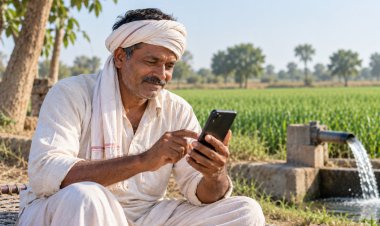
The government also plans to digitise the entire procurement process. Farmers will be required to register online, documents will be digitally verified, and all procurement records will be maintained through an online platform to improve transparency and monitoring.
Fewer Procurement Centres
Growers are also worried that the number of procurement centres may be reduced compared to last year. Around 300 procurement centres were operational across the state during the previous apple season.
If the number of centres is reduced, orchardists in remote areas will have to travel longer distances to sell their produce, increasing transportation costs. Farmer organisations say this will disproportionately affect small and marginal growers.
Farmer organisations have urged the state government not to finalise the policy without consulting grower associations, farmer organisations, experts and other stakeholders.
MIS Has Protected Growers Since 1986
The Market Intervention Scheme (MIS) was introduced in 1986 at the request of the Himachal Pradesh government as a centrally sponsored programme. It was designed to provide price support for horticultural crops such as apples, kinnow, malta and oranges whenever market prices fell sharply. For nearly four decades, the scheme has served as a crucial safety net for millions of horticulture growers in Himachal Pradesh.
Echoes of the 1990 Apple Agitation
The proposed changes have also revived memories of the historic 1990 apple growers' agitation in Himachal Pradesh. At the time, the BJP government led by then Chief Minister Shanta Kumar had attempted to modify the MIS framework. The move triggered one of the largest protests by apple growers in the state's history, forcing the government to reconsider its decision and continue the scheme.
With the Cabinet expected to consider the proposal on July 20, apple growers across Himachal Pradesh are closely watching the outcome. Farmer organisations hope the government will take their objections and suggestions into account before taking a final decision.