
India’s Growing Fertilizer Import Dependence: Urea Imports Jump 120 pc, DAP Up 54 pc
India’s fertilizer supply chain is becoming increasingly import dependent, with imports accounting for 67 percent of DAP and 27 percent of urea availability to meet nutrient demand during April–November 2025.

 Join the RuralVoice whatsapp group
Provisional data released by the Fertilizer Association of India (FAI) for April–November 2025 points to a structural shift in India’s fertilizer supply chain, with imports playing an increasingly central role in ensuring nutrient availability during key crop seasons.
According to the data, urea sales rose 2.3 percent year on year to 25.40 million tonnes during the eight-month period. However, this growth came against the backdrop of a 3.7 percent decline in domestic urea production, which slipped to 19.75 million tonnes. To bridge the gap, urea imports more than doubled, surging 120.3 percent to 7.17 million tonnes, compared to 3.26 million tonnes in the same period last year.
In November alone, urea sales stood at 3.75 million tonnes, up 4.8 percent year on year. Imports during the month jumped 68.4 percent to 1.31 million tonnes, reflecting what industry officials describe as planned supply management to ensure uninterrupted availability during critical crop nutrition windows.
DAP Imports Offset Production Decline
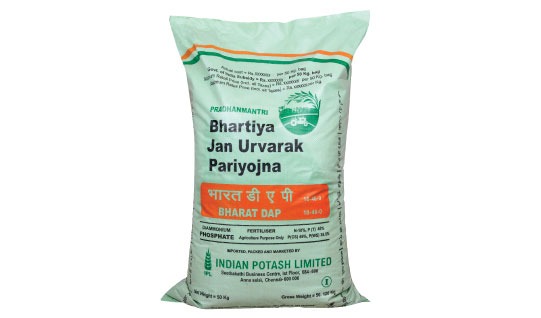
Diammonium phosphate (DAP) sales declined marginally at 7.12 million tonnes, lower by 1 percent compared to last year. However, the underlying dynamics show a clear supply shift.
Domestic DAP production fell 5.2 percent to 2.68 million tonnes, while imports rose 54.4 percent to 5.54 million tonnes. As a result, imports accounted for about 67 percent of DAP availability, up from 56 percent a year earlier.
This growing dependence highlights India’s increasing reliance on imported phosphatic fertilizers to maintain availability despite subdued domestic output.
Complex Fertilizers See Production Growth
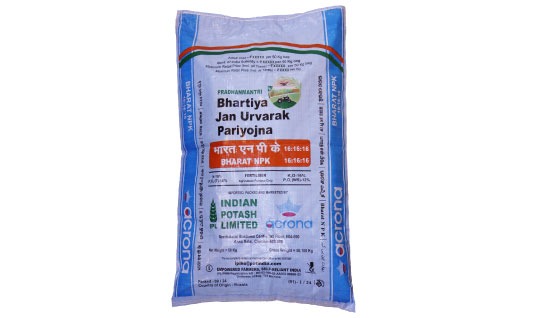
Sales of NP and NPK complex fertilizers were steady at 10.38 million tonnes, showing a marginal 0.1 percent increase. Production of these balanced fertilizers, however, rose sharply by 13.8 percent to 8.15 million tonnes, while imports nearly doubled, jumping 98.7 percent to 2.72 million tonnes. Industry observers say the trend reflects farmers’ preference for multi-nutrient products tailored to soil and crop-specific needs.
MOP Demand and Indigenous SSP Strength
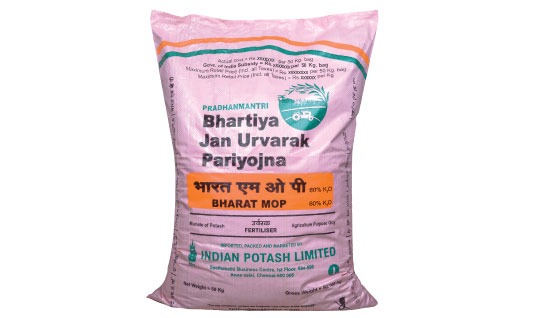
Muriate of Potash (MOP) sales increased 8.6 percent to 1.55 million tonnes during the period, indicating steady demand despite a decline in imports.
Single Super Phosphate (SSP), India’s indigenous phosphatic fertilizer, emerged as a strong performer. SSP production rose 9.5 percent to 3.97 million tonnes, while sales jumped 15 percent to 4.16 million tonnes, signalling growing farmer confidence in domestically produced phosphatic nutrients.
Imports Become Structural, Not Supplementary
FAI said The April–November 2025 data reflect a matured supply chain where domestic production and imports function in complementary roles. The key takeaway is that Imports are structural, not supplementary.
Urea imports rose by over 120 percent, DAP imports by 54 percent, and complex fertilizer imports by nearly 99 percent during April–November 2025, indicating that India’s fertilizer sector has integrated global supply chains into its core planning.
S. Sankarasubramanian, Chairman of FAI, said that while sales growth has been achieved through coordinated planning, the significant reliance on imports, particularly for urea and DAP, underscores the importance of strategic supply chain management and a forward-looking import policy to ensure uninterrupted access for farmers.
Dr Suresh Kumar Chaudhari, Director General of FAI, said, "The standout stories in this data are twofold. First, the structural shift toward import-driven supply management for nitrogen and phosphate nutrients. Second, the strong performance of indigenous phosphatic fertilizers like SSP, which have grown 15% in sales. This signals a balanced approach—we're securing critical nutrients through planned imports while strengthening domestic phosphatic production."
FAI Fertiliser Data April–November 2025 vs 2024
|
Fertiliser |
Production (% Change) |
Imports (% Change) |
Sales (% Change) |
|
Urea |
–3.7% (19.75 MT) |
+120.3% (7.17 MT) |
+2.3% (25.40 MT) |
|
DAP |
–5.2% (2.68 MT) |
+54.4% (5.54 MT) |
–1.0% (7.12 MT) |
|
MOP |
— |
–25.0% (1.95 MT) |
+8.6% (1.55 MT) |
|
NP/NPK |
+13.8% (8.15 MT) |
+98.7% (2.72 MT) |
+0.1% (10.38 MT) |
|
SSP |
+9.5% (3.97 MT) |
— |
+15.0% (4.16 MT) |