
Cabinet Approves Rs. 23,731 Crore 10-Year GOBARdhan Scheme to Scale Up Compressed Biogas Production
The Union Cabinet has approved the Rs. 23,731 crore GOBARdhan scheme to scale up compressed biogas production between FY27 and FY36. The integrated programme offers assured demand, stable pricing, capital assistance, pipeline connectivity and credit support to strengthen energy security, create rural livelihoods, attract private investment and promote waste-to-wealth.

 Join the RuralVoice whatsapp group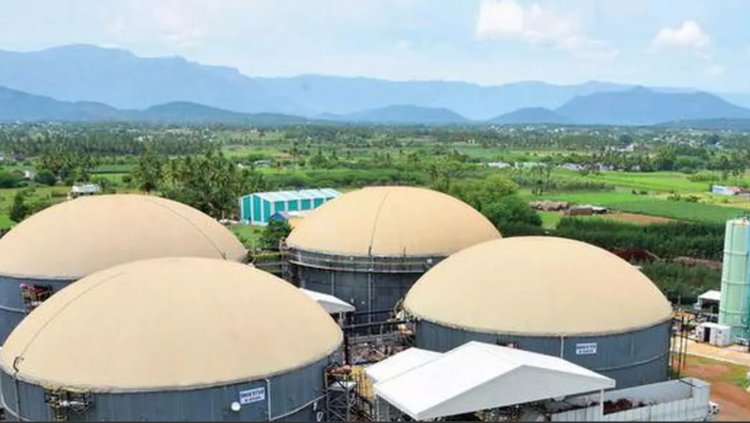
In a major push to India's clean energy transition and rural economy, the Union Cabinet on Thursday approved the GOBARdhan (Galvanizing Organic Bio-Agro Resources Dhan) - National Circular Bioenergy Scheme with a total outlay of Rs. 23,731 crore. The scheme aims to transform agricultural residue, cattle dung, municipal organic waste and other biomass into compressed biogas (CBG), organic manure and rural income, while significantly reducing India's dependence on imported fossil fuels.
Approved by the Cabinet chaired by Prime Minister Narendra Modi, the scheme will be implemented over a ten-year period from FY 2026-27 to FY 2035-36. It seeks to establish CBG as a key component of India's future energy mix by creating an integrated ecosystem that addresses the major bottlenecks facing the sector, including assured demand, pricing uncertainty, financing constraints and infrastructure gaps.
The government said the scheme is designed to increase domestic CBG production by nearly ten times, attract large-scale private investment and build a nationwide circular bioeconomy that converts organic waste into economic value.
Integrated framework for CBG sector
Unlike previous interventions that focused on specific aspects of the CBG value chain, GOBARdhan brings all major support mechanisms under a single national framework administered by the Ministry of Petroleum and Natural Gas. The integrated approach is expected to improve project viability, accelerate implementation and provide greater confidence to investors, lenders, cooperatives, MSMEs and rural entrepreneurs.
India has already laid the groundwork for the CBG industry through initiatives such as the Sustainable Alternative Towards Affordable Transportation (SATAT) programme, the Market Development Assistance (MDA) scheme for organic manure, the Biomass Aggregation Machinery (BAM) scheme, pipeline infrastructure support and financial assistance under the National Bioenergy Programme. These initiatives have led to the commissioning of more than 200 CBG plants across the country.
Six pillars of the scheme
The GOBARdhan scheme rests on six major components designed to strengthen every stage of the CBG value chain.
The first is an assured offtake mechanism, under which City Gas Distribution (CGD) entities will procure CBG to meet the government's notified blending obligation. The mandatory CBG blending target has been fixed at 3 percent in FY27, 4 percent in FY28, and 5 percent from FY29 onwards in transport CNG and domestic PNG segments. The government expects this guaranteed demand to improve project bankability and encourage long-term investments.
Secondly, the Cabinet approved a stable administered CBG price of Rs. 2,110 per Metric Million British Thermal Unit (MMBTU) under a government-backed pricing framework with a minimum ten-year horizon. The pricing mechanism aims to provide revenue certainty for producers while maintaining affordability for consumers.
The third component provides capital assistance of up to Rs. 2 crore per tonne per day (TPD) of installed CBG capacity for eligible greenfield projects. Brownfield expansion projects will also qualify. The support extends beyond plant machinery to feedstock aggregation systems and organic manure processing infrastructure.
To overcome logistical constraints, the scheme also includes support for pipeline connectivity, enabling CBG plants to connect with trunk pipelines and CGD networks. Improved evacuation infrastructure is expected to reduce transportation costs and expand market access.
A dedicated Credit Guarantee mechanism will facilitate institutional finance for MSME-based projects by reducing lending risks and collateral requirements. The government expects this to encourage participation by first-time entrepreneurs, women entrepreneurs and cooperatives.
The sixth pillar is a CBG Ecosystem Challenge Fund, which will support district-level planning, feedstock assessment, technology adoption, capacity building, value addition in organic manure production and awareness programmes.
Benefits for farmers and rural economy
The government expects the scheme to create new income opportunities for farmers by monetising agricultural residue, cattle dung and other organic biomass that often remains underutilised or is burnt in fields.
Each CBG plant is expected to generate employment in feedstock collection, transportation, plant operations and organic manure production while promoting scientific waste management.
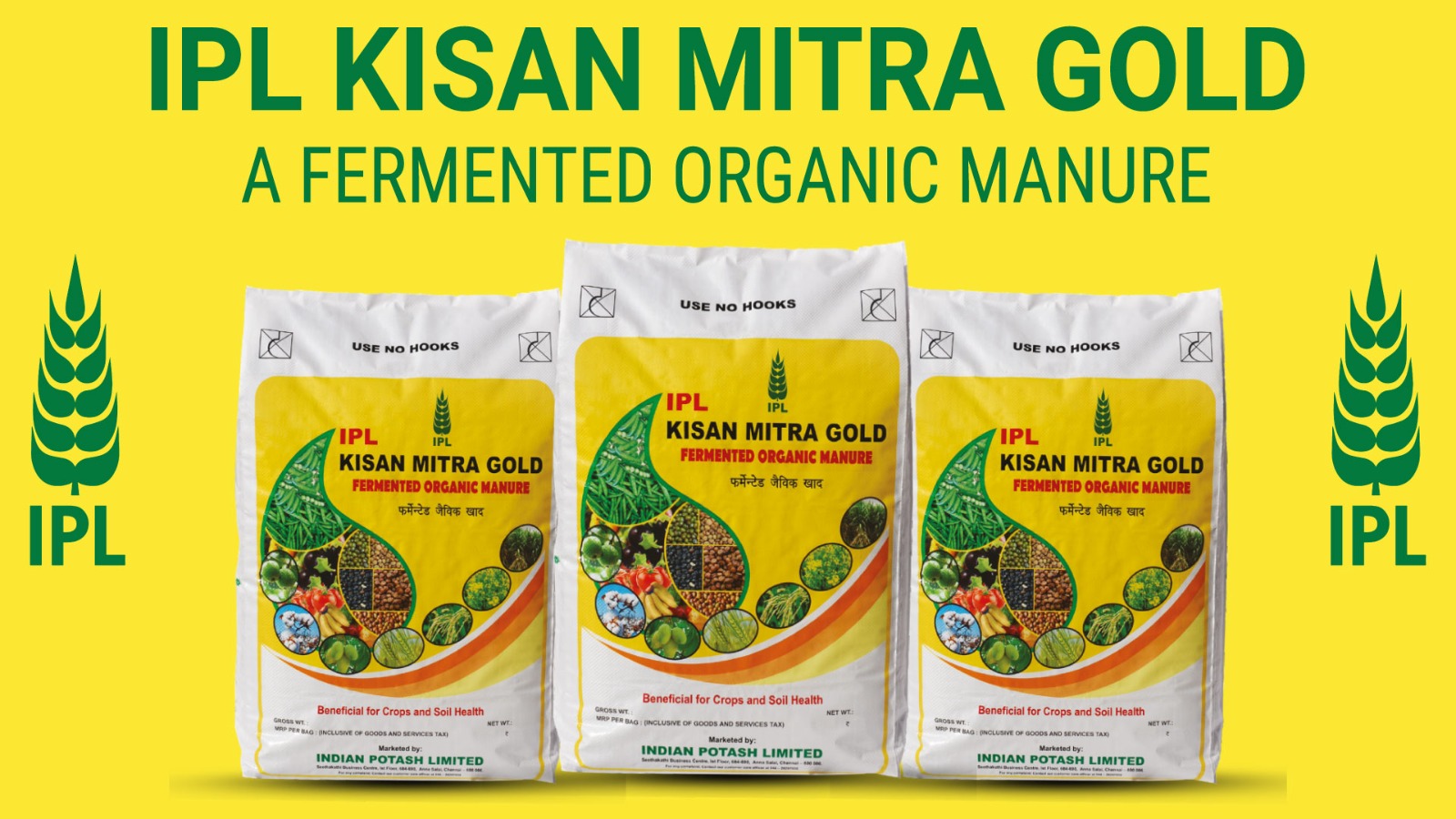
The scheme also aims to strengthen the organic manure market by increasing production of fermented organic manure (FOM) and liquid fermented organic manure (LFOM), reducing dependence on chemical fertilisers over time.
Energy security and climate goals
India's demand for natural gas is rising rapidly across transport, households, industries and commercial sectors. Since CBG is chemically equivalent to natural gas, it can be directly integrated into the existing gas distribution network without major infrastructure changes.
The government believes higher domestic CBG production will improve energy security by reducing dependence on imported liquefied natural gas and fossil fuels. The productive utilisation of agricultural residue and municipal organic waste is also expected to reduce greenhouse gas emissions and address stubble burning and waste disposal challenges.
Digital governance, simplified institutional arrangements and improved coordination across agencies are expected to speed up project approvals and implementation under the new framework.
With GOBARdhan, the government aims to move India's compressed biogas sector from pilot-scale development to a nationally integrated clean energy industry that simultaneously supports energy security, rural livelihoods, environmental sustainability and the vision of Atmanirbhar Bharat.