China Eyes Uruguayan Dairy Imports: Is There Space for India in the Game?
China’s talks with Uruguay for duty-free imports of whole milk powder highlight its growing dairy demand, but the question arises—can India, the world’s largest milk producer, convert its domestic strength into a global export opportunity?

 Join the RuralVoice whatsapp group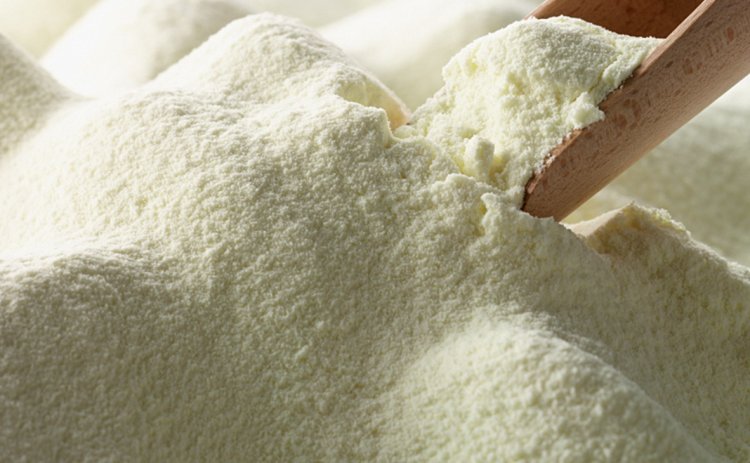
China is exploring a potential partnership with Uruguay to source whole milk powder (WMP), with negotiations underway for a possible zero-tariff agreement. The move underscores Beijing’s efforts to secure reliable dairy supplies, but also raises questions about whether India can position itself as a viable alternative supplier.
The president of Conaprole, Uruguay’s largest dairy cooperative, confirmed ongoing talks with China, stressing that a zero-tariff framework between the two governments would be key to finalising any deal.
Uruguay views the potential deal as a strategic chance to expand its global dairy footprint, banking on the reputation of its high-quality milk products. For China, the deal would provide a steady source of WMP, though the South American country’s geographical distance could pose logistical challenges.
India’s Dairy Export Puzzle
While Uruguay sees an opening, India—the world’s largest milk producer—finds itself on the sidelines of global dairy trade. India produces 25% of the world’s milk, with output climbing by over 63% in the last decade to reach 239.2 million tonnes in 2023-24. Per capita milk availability has also surged to 471 grams daily, far above the global average of 322 grams.
Despite this dominance, India remains a marginal exporter. In 2023-24, it shipped dairy products worth only $272.65 million, contributing a meagre 0.25% to the $101 billion global dairy trade. Ghee and butter make up nearly 60% of India’s exports, followed by milk powder (27%) and cheese (11%), with top destinations including the UAE, Bangladesh, the US, Saudi Arabia, and Bhutan.
Opportunity in China’s Demand
For India, China’s growing appetite for dairy imports presents a strategic opening. A closer trade relationship through the dairy sector could not only diversify India’s export basket but also aid efforts to stabilise bilateral relations, which have faced challenges in recent years.
However, India must address structural hurdles before it can compete. Export bottlenecks include inconsistent quality standards, fragmented supply chains, limited cold storage, and high domestic demand that often keeps surplus milk off the global market. Furthermore, Indian dairy exports face stiff competition from established players such as New Zealand, the EU, and South American exporters like Uruguay and Argentina.
The Indian government has been actively promoting higher milk production through breeding programs and herd expansion. But to unlock export potential, experts argue that policy must pivot towards creating a sustainable surplus, improving processing facilities, and negotiating favourable trade agreements with major importers like China.
As China weighs a deal with Uruguay, the developments could serve as a wake-up call for India. With its production muscle and cultural legacy in dairy, India has the resources to become a global player—but the real test lies in converting that domestic dominance into international competitiveness.