
CNH Expands Crop Residue Management Programme, Opens Ludhiana Parts Warehouse
CNH has expanded its crop residue management programme to 25 locations across 11 states, facilitating the baling of 60,000 tonnes of paddy straw and avoiding an estimated 97,000 tonnes of CO₂ emissions. Its new Ludhiana warehouse aims to improve spare-parts availability.

 Join the RuralVoice whatsapp group
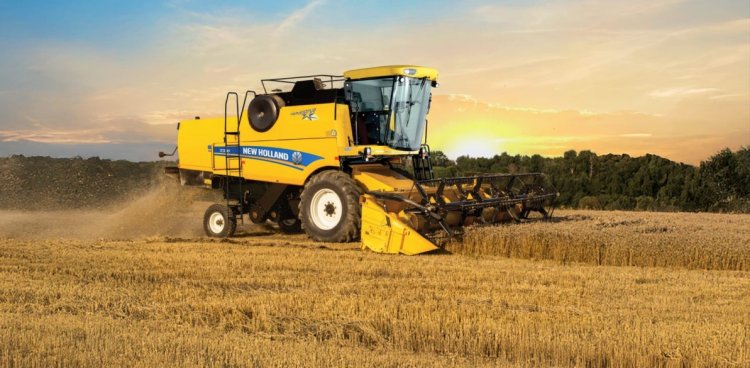
Agricultural equipment manufacturer CNH has expanded its focus on crop residue management and sustainable farming, marking a decade of its corporate social responsibility (CSR) initiative and opening a dedicated parts warehouse in Ludhiana to improve machinery support for farmers in Punjab and Haryana.
The crop residue management initiative, launched in October 2017 in Kallar Majri village of Punjab, has grown into a national programme covering 25 locations across 11 states. According to the company, Kallar Majri has maintained its zero-stubble-burning status for 10 consecutive years.
Since its inception, the programme has facilitated the baling of approximately 60,000 tonnes of paddy straw, preventing the burning of crop residue from nearly 39,900 acres of farmland. More than 7,500 farmers have benefited directly, while an estimated 97,000 tonnes of carbon dioxide emissions have been avoided. The initiative has also reached an estimated 16,000-20,000 family members and villagers indirectly.
More than 3,000-4,000 farmers have participated in demonstrations across the 25 locations to familiarise themselves with sustainable straw management solutions.
The programme, initially implemented in Punjab, now covers states including Haryana, Uttar Pradesh, Madhya Pradesh, Bihar, Chhattisgarh, Maharashtra and Uttarakhand. It has also expanded to locations in Karnataka, Andhra Pradesh and Tamil Nadu.
New warehouse to strengthen after-sales support
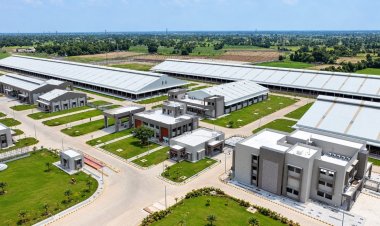
The new Ludhiana warehouse is intended to improve the availability of genuine spare parts for CNH's large tractors and balers, particularly during the narrow window between paddy harvesting and wheat sowing. The facility will operate seven days a week.
The company said a dedicated GPS-enabled transport fleet with real-time shipment tracking is designed to deliver parts to most customer locations within 24 hours. The facility is expected to reduce delivery times and machinery downtime during the critical harvesting season.
The warehouse complements CNH's existing distribution network in India, which comprises more than 600 dealers and over 1,000 customer touchpoints.
Narinder Mittal, President and Managing Director of CNH India, said timely access to machinery and genuine parts was essential for managing crop residue without burning, especially when farmers have limited time to prepare fields for the next crop.
Mechanisation for residue utilisation
CNH said its crop residue management portfolio includes New Holland tractors, combine harvesters, square and round balers, gyro rakes, mulchers, choppers and forage harvesters. Its New Holland brand began pioneering crop residue baling in India in 1998.
The company said its initiatives combine mechanisation, service support and farmer demonstrations to promote alternatives to stubble burning. The broader objective is to facilitate crop residue utilisation while supporting agricultural productivity and reducing the environmental impact of residue burning.