
Fresh US Strikes on Iran Deepen Oil and Fertilizer Crisis, Raise Global Food Security Fears
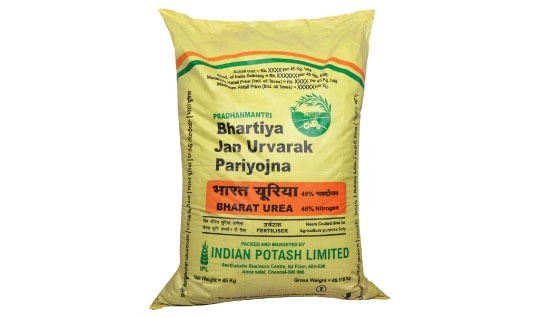
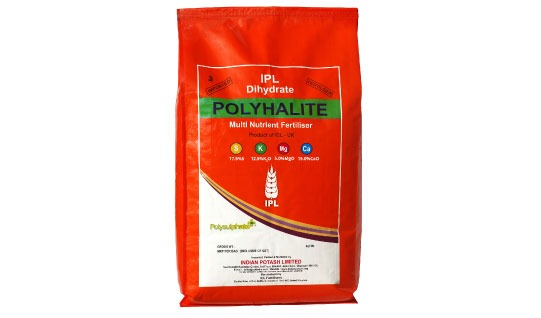
Fresh U.S. strikes on Iranian targets near the Strait of Hormuz pushed oil prices higher again, intensifying disruptions in global fertilizer and agricultural supply chains. Rising costs of urea, ammonia and phosphates are forcing farmers to cut fertilizer use, raising concerns over lower grain output, food inflation and global food security in 2026.

 Join the RuralVoice whatsapp group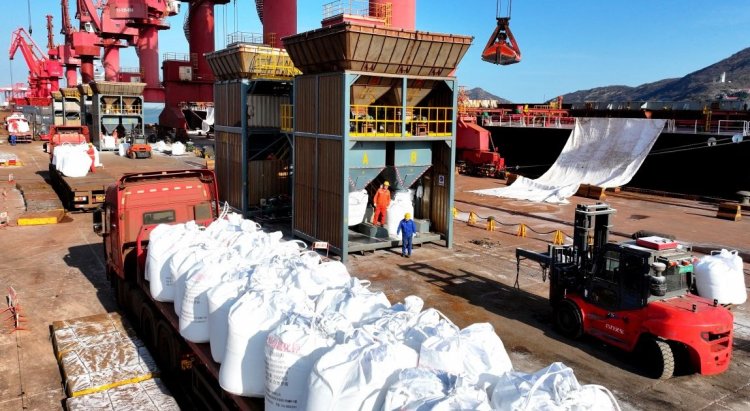
Oil prices surged more than 2% in early Asian trade on Tuesday after fresh U.S. strikes on Iranian targets near the Strait of Hormuz reignited fears of a prolonged conflict in the Gulf, intensifying concerns over global energy, fertilizer and food supply chains. Fresh attacks have again dimmed the hopes of peace raising concerns for supply shortage of agricultural inputs. The escalating crisis has already disrupted exports of urea, ammonia and phosphates from the Middle East, pushing fertilizer prices sharply higher and raising fears of lower grain production, food inflation and a wider global food security crisis in 2026.
The closure of the strategic maritime chokepoint has sharply disrupted exports of sulfur, ammonia, urea and phosphate fertilizers from the Middle East, creating shortages in global markets and sending prices soaring. The crisis, now stretching into its 13th week, has evolved from a shipping disruption into what the Food and Agriculture Organization (FAO) describes as a systemic agrifood shock with the potential to spark a global food price crisis within the next six to 12 months.
Middle Eastern fertilizer producers have struggled to maintain exports as cargo movement through the Persian Gulf remains severely constrained. Saudi Arabia-based chemical companies have attempted to reroute some shipments through Red Sea ports that bypass Hormuz, but overall Saudi fertilizer supply to global markets has reportedly fallen by nearly half. Several other Gulf producers have been unable to ship sulfur and phosphate products altogether.
The disruptions have affected far more than oil and gas trade. Supplies of naphtha, LNG, LPG, helium, ammonia and urea normally transported through the strait are also trapped, causing cascading disruptions across fertilizer, plastics and agricultural supply chains.
Farmers leaving land uncultivated
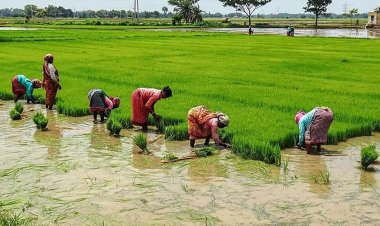
Global grain markets are now beginning to feel the impact. Farmers in Europe, Argentina and other regions are reducing fertilizer use, delaying purchases, shifting toward less input-intensive crops or considering leaving land uncultivated due to surging production costs.
According to the European Commission, urea prices have jumped 55 percent since the conflict began in late February. In Argentina, benchmark urea prices surged to around $1,000 per tonne from nearly $500 before the crisis.
The pressure is particularly intense in Europe, where farmers already face high energy prices, stricter environmental regulations and rising borrowing costs. Agricultural organizations in Eastern Europe have warned that abandoned farmland could sharply increase this year as cultivation becomes financially unviable.
Analysts say the latest turmoil differs from earlier fertilizer disruptions because it combines supply shortages, energy inflation and geopolitical uncertainty simultaneously. The fertilizer market had already endured repeated shocks over the past six years, including pandemic-era logistics bottlenecks and the Russia-Ukraine conflict, leaving prices structurally elevated even before the current escalation.
The latest crisis now threatens to fundamentally reshape global fertilizer trade and grain production patterns.
Industry observers say the world is moving away from a “just-in-time” supply system toward a “just-in-case” model focused on resilience and supply security. With nearly 35 percent of global urea exports and 30 percent of ammonia exports exposed to disruptions linked to the Gulf region, trade routes are being diverted to longer and costlier channels.
Import-dependent regions such as South Asia and parts of Latin America face especially severe risks because of their heavy reliance on Gulf fertilizer supplies. Analysts warn that tighter global availability, rising freight costs and elevated energy prices are transmitting fertilizer inflation across international markets.
Fertilizer shortage could lower production of staple crops
The FAO has cautioned that global fertilizer prices could remain 15 to 20 percent higher during the first half of 2026 if the crisis persists. Such increases could materially alter crop economics, particularly in developing countries where farmers have limited access to credit and input financing.
The organization warned that reduced availability of ammonia-, phosphate-, sulfur- and urea-based fertilizers could lower production of staple crops including wheat, maize and rice within the next six to nine months.
The impact is already emerging in global food markets. The FAO Food Price Index rose for a third consecutive month in April, driven by higher energy costs and supply disruptions linked to the Middle East conflict.
Experts describe the unfolding crisis as a chain reaction moving through several stages- energy disruption, fertilizer shortages, reduced seed and nutrient use, declining yields, rising commodity prices and eventually food inflation.
Farmers are responding cautiously but increasingly defensively. Rather than abandoning production entirely, many are reducing nitrogen application rates, altering crop rotations and shifting toward crops requiring fewer fertilizer inputs, such as barley, oats and soybeans.
In Argentina, some growers have warned that portions of wheat acreage could remain unplanted if fertilizer prices do not ease quickly. In Russia, farmer groups have called for export restrictions on fertilizers after domestic prices surged and shortages emerged despite the country being one of the world’s largest fertilizer exporters.
Analysts say widespread land abandonment is still unlikely in the immediate term because many farmers face high fixed costs such as land rents and bank debt, making it difficult to suspend operations completely. However, cultivation on marginal and low-productivity land could decline significantly if fertilizer and fuel prices remain elevated.
El Niño pressure on global food systems
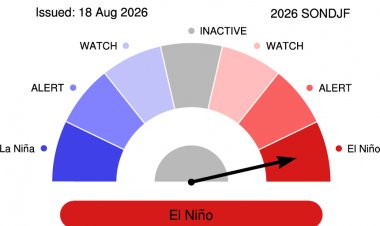
The crisis is further complicated by climate risks. The FAO warned that the possible onset of El Niño could intensify droughts and disrupt rainfall and temperature patterns in several agricultural regions, adding another layer of pressure on global food systems.
To prevent a broader agrifood emergency, the FAO has called for urgent international coordination. Recommended measures include developing alternative shipping corridors through the eastern Arabian Peninsula and the Red Sea, avoiding export restrictions, safeguarding humanitarian food flows and supporting vulnerable countries with financing and supply stabilization measures.
The organization stressed that decisions being made now by governments and farmers on fertilizer imports, crop choices and agricultural financing will determine whether the current supply shock evolves into a full-scale global food crisis over the coming year.