
Houthi Threat Forces Saudi Oil Tankers Bound for India, China to Turn Back; Crude Prices Hit Six-Week High
Global crude prices climbed to six-week highs after Yemen's Houthi rebels threatened ships using Saudi ports, forcing Saudi oil tankers to alter routes in the Red Sea. With tensions persisting around the Strait of Hormuz and Bab el-Mandeb, analysts warn crude could surge to $120 per barrel if the conflict escalates.

 Join the RuralVoice whatsapp group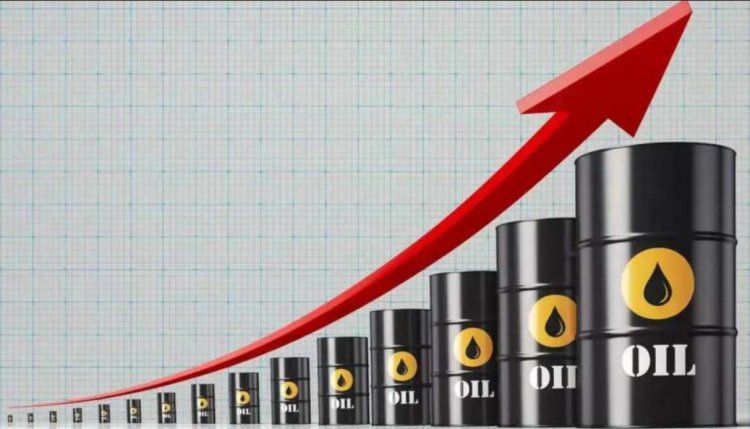
Global oil prices extended their rally to the highest level in nearly six weeks after fresh threats from Yemen's Houthi rebels disrupted Saudi oil shipments through the Red Sea, raising fears of a wider supply shock in the Middle East. The escalation has added a new flashpoint to the ongoing tensions around the Strait of Hormuz, intensifying concerns over global energy security.
Brent crude was trading at around $94.18 per barrel, while US benchmark West Texas Intermediate (WTI) rose to $87.45 per barrel, reflecting growing concerns over potential disruptions to oil exports from the Gulf region.
The latest surge followed reports that the Houthis had warned global shipping companies against loading or unloading cargo at Saudi Arabian ports. According to reports, the Iran-backed group sent emails to major shipping firms, threatening to target vessels associated with Saudi ports "in any location" within their operational reach.
The warnings have already affected maritime traffic. At least two Saudi crude oil tankers carrying cargoes for China and India reportedly made emergency U-turns in the Red Sea after receiving security threats. The developments have heightened concerns over the safety of shipping through the Bab el-Mandeb Strait, one of the world's most critical oil transit routes.
The Red Sea has become increasingly important for Saudi Arabia after the disruption of traffic through the Strait of Hormuz. Riyadh has been relying on its 7 million barrels per day East-West pipeline to move crude from its eastern oil fields to the Red Sea port of Yanbu. However, export capacity at Yanbu remains limited to around 4-4.5 million barrels per day.
Saudi Aramco recently pushed Yanbu's infrastructure beyond normal operating levels by loading a record 5.9 million barrels per day during the week ending July 17, about 50% higher than the average recorded between March and June. The move is seen as an effort to maintain exports amid mounting regional security risks.
Meanwhile, the broader conflict between the United States and Iran continues to intensify. Fresh US strikes on Iranian military targets and continued Iranian attacks on Gulf infrastructure have increased geopolitical risks. Reports of attacks on power and desalination facilities in Kuwait, missile strikes claimed by Iran's Revolutionary Guard in Bahrain, and threats to commercial shipping have further unsettled markets.
Energy analysts warn that if hostilities continue simultaneously around both the Strait of Hormuz and the Bab el-Mandeb corridor, crude prices could climb toward $120 per barrel, with higher shipping costs and insurance premiums likely to add further pressure on global fuel prices. For now, geopolitical tensions remain the dominant driver of the oil market, overshadowing supply-demand fundamentals.