Poultry Feed Costs Rise 25 Percent, Put India’s Poultry and Egg Sector Under Pressure
India’s growing poultry sector faces rising feed costs as maize, DORB and other key ingredients become more expensive. With egg consumption and layer placement increasing, feed availability could become a major constraint. Strengthening feed security is therefore critical for affordable protein, nutritional security, farmer viability and the long-term competitiveness of India’s livestock sector.

 Join the RuralVoice whatsapp group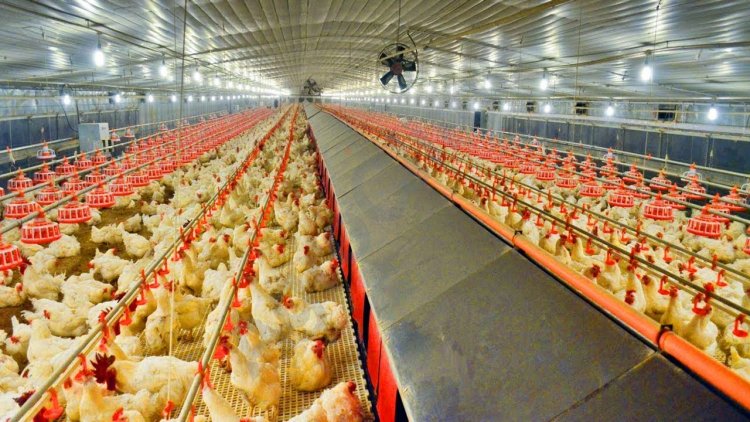
India is the second-largest producer of eggs in the world, and the annual production of eggs is 146 billion. Annual layer placement is 400 million layers. But per capita consumption is still very low when compared with egg consumption in developed countries like Europe and the USA. In India, per capita consumption is only 106 eggs per year.
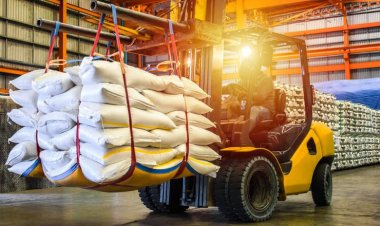
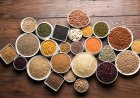
The major cost of egg production is feed cost, which accounts for approximately 65-70% of the total cost. The main feed ingredients are maize, soybean meal, De-oiled Rice Bran (DORB), DDGS (Distillers Dried Grains with Solubles), along with vitamins and amino acids.
Today, layer feed costs approximately Rs 30,000-Rs 32,000 per metric ton, compared with around Rs 24,000 in April 2026. So, in just four months, the cost has increased by 20-25%.
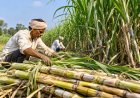
Feed has become costlier because of the increased prices of feed ingredients. The maize rate has increased from Rs 21,000 per metric ton in April 2026 to Rs 26,500-Rs 27,000 per metric ton in August. Maize rates might further increase due to increased demand from the ethanol industry. Food, feed and fuel should not compete with each other but should grow together.
The cost of De-oiled Rice Bran (DORB) has also increased from Rs 14,000 per metric ton in April 2026 to Rs 22,000 per metric ton in August. Similarly, the cost of other feed ingredients is also increasing.
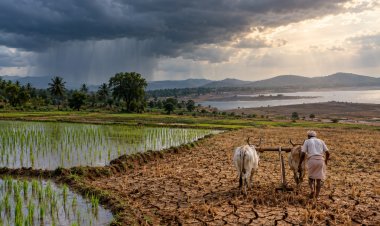
The poultry industry is growing 7-8% per annum, whereas our agriculture growth is only 1-2%. So, in the coming years, the availability of feed ingredients shall be a major issue. Feed security should be treated as national food security.
Most of the vitamins and amino acids being added to poultry feed are imported from Europe. After the Iran conflict, ship cargo freight rates have increased several-fold, which has resulted in an increase in the prices of lysine, methionine and other amino acids and vitamins.
There has been an average inflation rate of 5% every year over the last 5-6 years. However, if you see egg prices over the last five years, rates have not increased much. As the consumption of eggs is increasing and layer placement is also increasing 7-8% per annum, hopefully, egg rates will further increase because, at the current rate, the farmer is not making much profit due to the increase in the cost of production and other expenses, such as electricity tariffs and labour costs.
Today, the wholesale rate is Rs 6.50 ex-farm, and the retail selling price per egg is Rs 8-9, depending upon the location. During the coming winter season, the demand for eggs will further increase, and the retail selling price of eggs should be at least Rs 10-11 per egg from the current level. There is also export demand from the Middle East and some Southeast Asian countries.
For a country of 1.4 billion people, protein security is an essential component of food and nutritional security. Affordable eggs, chicken, milk, meat and other animal-sourced foods have a critical role to play in addressing the growing demand for high-quality protein.
But protein security begins with feed security - the availability, affordability and sustainability of key feed ingredients such as maize and soybean meal will increasingly determine the competitiveness and resilience of India’s poultry and livestock sectors. Strengthening feed security must therefore remain an important national priority.
India’s animal farming sector stands at an important crossroads. Rising incomes, urbanisation and growing awareness of nutrition are driving demand for quality animal protein.
To meet this demand sustainably, we need to focus on: Feed Security - Protein Security - Nutritional Security - Sustainable Development. This requires efficient supply chains, technology-driven farming, greater productivity, policy predictability and closer collaboration between government, industry, farmers, researchers and global partners.
The future of Indian animal farming is not only about producing more - it is about producing affordable, safe, nutritious and sustainable protein for every Indian. India’s livestock farming is central to Protein Security, Feed Security, Food Security, rural livelihoods and sustainable economic growth.
Going forward, stronger government-industry partnerships, science-based policies, technology adoption, reliable feed ingredient availability and a unified industry voice will be essential to make Indian livestock farming more competitive, resilient and globally relevant.
(Writer is Joint Secretary, Poultry Federation of India)