
Government Revises Rural Wage Rates Under VB G RAM G Act, Sets Rs 300 Daily Base Wage from July 1
The Centre has notified revised wage rates under the VB–G RAM G Act, 2025, effective July 1, introducing a minimum daily wage of Rs 300 and expanding guaranteed rural employment to 125 days. The national average wage has increased to Rs 327.4 per day, supported by an interim allocation of Rs 95,692.31 crore for implementation.

 Join the RuralVoice whatsapp group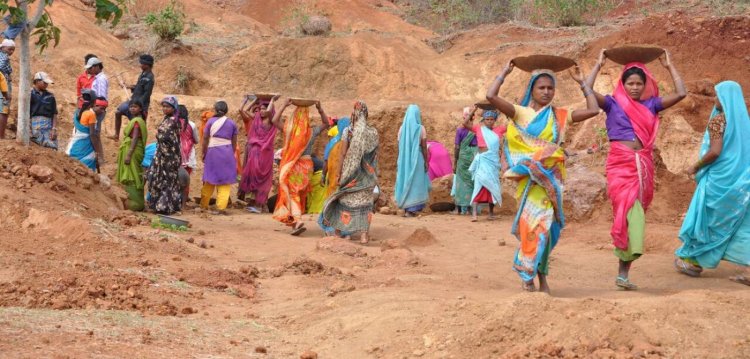
The Government of India has notified revised wage rates under the Viksit Bharat – Guarantee for Rozgar and Ajeevika Mission (Gramin) [VB G RAM G] Act, 2025, effective from July 1, 2026, coinciding with the nationwide implementation of the new rural employment law. The revised wage structure introduces an interim minimum wage of Rs 300 per day, ensuring that no worker employed under the programme receives wages below this level.
The notification accompanies the launch of the VB G RAM G Act, which replaces the previous rural employment framework by increasing the guaranteed wage employment from 100 days to 125 days annually for every eligible rural household.
According to the Ministry of Rural Development, wage rates have been revised across all 34 States, Union Territories and wage regions. As part of the revision, 21 States, Union Territories and administrative units where wages were previously below Rs 300 have been brought up to the new base wage.
The government said the national average notified wage has increased from Rs 298.8 per day under MGNREGA to Rs 327.4 per day under the VB–G RAM G programme, reflecting an average increase of Rs 28.6 per day, or more than 10 percent nationwide.
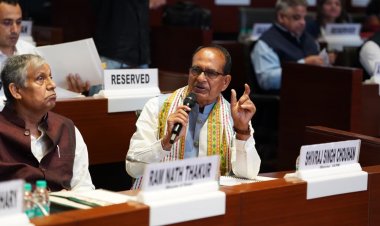
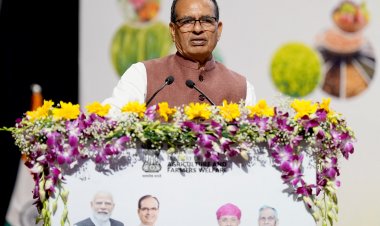
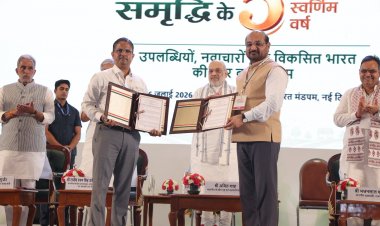
Union Minister for Rural Development and Agriculture & Farmers Welfare Shivraj Singh Chouhan said the revised wage rates are aimed at improving rural livelihoods while reducing regional disparities in wages. He said the highest increases have been provided to states that historically had lower wage rates so that workers in those regions receive greater support.
Among the biggest beneficiaries are Arunachal Pradesh and Nagaland, where wages have increased by nearly 24.5 percent. Significant revisions have also been announced for Uttar Pradesh, Uttarakhand, Bihar, Jharkhand, Assam, Tripura, West Bengal, Chhattisgarh, Madhya Pradesh and Odisha.
States that already had comparatively higher wage rates have also received upward revisions based on the prescribed formula. Following the notification, Haryana (Rs 409), Goa (Rs 406), Kerala (Rs 401) and Sikkim's high-altitude Gram Panchayats (Rs 450) now have notified wage rates exceeding Rs 400 per day.
The ministry said the revised wages have been determined using a transparent methodology that combines annual indexation with the newly introduced interim base wage to reduce long-standing disparities across states.
To support implementation of the Act, the Centre has made an interim allocation of Rs 95,692.31 crore to States and Union Territories. The government said the allocation is intended to ensure uninterrupted implementation, timely wage payments and a smooth transition to the new employment framework from the first day of its rollout. The Act is expected to strengthen rural incomes, enhance livelihood security and support the creation of durable rural assets.