
GST Overhaul to Boost Dairy Sector, but Higher Tax on Key Technologies Raises Concerns
The 56th GST Council has rationalized tax rates on milk and dairy products, lowering GST to Nil or 5% on most items including paneer, butter, ghee, ice cream, and milk cans. The reform will boost farmers, consumers, and exports. However, concerns remain as critical dairy technologies like bulk milk coolers and milking machines remain taxed at 18%.

 Join the RuralVoice whatsapp group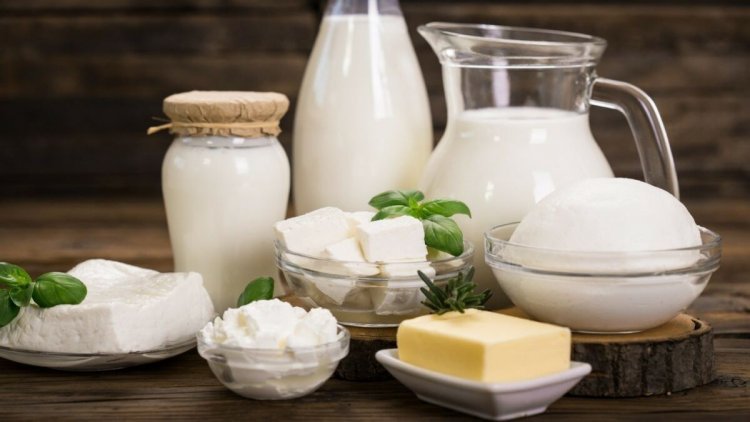
The 56th GST Council has announced sweeping tax cuts on milk and dairy products, a landmark reform set to benefit more than 8 crore rural farming families as well as consumers. Experts, however, caution that retaining a steep 18% GST on essential dairy technologies such as bulk milk coolers and milking machines undermines efforts to ensure clean milk production and long-term sectoral growth.
On 3rd September 2025, the Council approved broad rationalizations in Goods and Services Tax (GST) rates for milk and milk products, effective September 22. Among the most comprehensive reforms in India’s dairy sector, the move reduces taxes on most dairy products to either Nil or 5%, aimed at boosting rural livelihoods, consumer affordability, and export competitiveness.
Under the new framework, Ultra-High Temperature (UHT) milk and pre-packaged paneer are exempted from GST, while butter, ghee, dairy spreads, cheese, condensed milk, milk-based beverages, and even ice cream will now be taxed at only 5%. Milk cans, essential for storage and transport, will also see their rate reduced from 12% to 5%.
This major reform is expected to directly benefit over 8 crore rural farming families—especially small and marginal dairy farmers who depend on milk production for survival. Consumers, in turn, can expect lower retail prices and better quality products. Experts also note that lower taxes could curb adulteration, reduce operational costs, and make Indian dairy products more competitive in both domestic and international markets.
India, the world’s largest milk producer, generated 239 million tonnes of milk in 2023–24, accounting for nearly 24% of global output. The sector contributes 5.5% to the national economy and was valued at nearly ₹18.98 lakh crore in 2024. As the single largest agricultural commodity, dairy reforms of this magnitude are poised to strengthen food security, rural incomes, and employment generation.
The Missed Opportunity: Taxing Dairy Technologies
While the reforms have been widely welcomed, concerns persist over the government’s decision to retain the 18% GST on essential dairy technologies like milking machines and bulk milk coolers. These items, shifted from the 12% to 18% slab in 2022, remain unrevised despite persistent industry appeals.
Modern milking machines are indispensable for producing hygienic, export-ready milk. Research from Europe and India shows that mechanized systems reduce microbial contamination by minimizing direct human contact and ensuring consistent teat preparation. When properly maintained, they also improve udder health and reduce somatic cell counts—resulting in safer milk for consumers.
Equally important is rapid cooling. Chilling milk to 3–4 °C within hours of milking is globally considered the benchmark for clean milk production. Studies confirm that early cooling not only prevents bacterial growth but also preserves milk’s nutritional integrity during storage and transport. Industry experts argue that keeping such vital equipment in the highest tax bracket not only raises costs but also contradicts the government’s stated vision of promoting clean and export-quality milk.