
India-US Trade Deal Falters as Modi Draws Red Line on Farmers
At the heart of the trade friction are fundamental differences in economic priorities. The US, with its highly mechanized and subsidized agricultural sector, is pushing for India to lower import duties and ease non-tariff barriers on goods like dairy, genetically modified (GM) crops, and other farm products

 Join the RuralVoice whatsapp group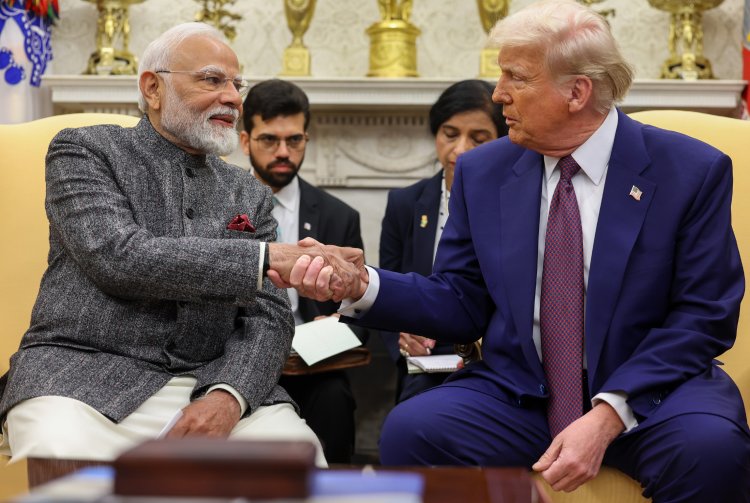
The future of India-US trade relations hangs in the balance as disagreements over agricultural and dairy products stall a potential bilateral trade deal. In a significant escalation, US President Donald Trump has imposed steep tariffs on Indian goods, a move Indian Prime Minister Narendra Modi has publicly condemned, vowing to protect the interests of India's farmers.
The latest round of tariffs, which raises the total duty on some Indian exports to a staggering 50%, was announced by the US in response to India's continued purchases of Russian crude oil. However, the move is also seen as a pressure tactic to force India's hand on a number of contentious trade issues, most notably US demands for greater access to India's vast agricultural and dairy markets.
A Standoff Over Farmers and Food Security
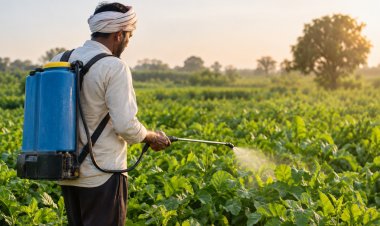
At the heart of the trade friction are fundamental differences in economic priorities. The US, with its highly mechanized and subsidized agricultural sector, is pushing for India to lower import duties and ease non-tariff barriers on goods like dairy, genetically modified (GM) crops, and other farm products.
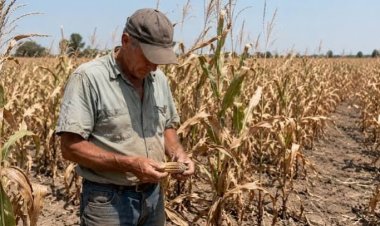
India, in turn, is steadfastly refusing. The Indian government argues that opening these sectors would devastate its massive population of smallholder farmers and dairy cooperative members, who form a crucial voting bloc and are central to the country's food security.
"The interest of farmers is our top priority," Prime Minister Modi said in a recent address, directly challenging the US position. "India will never compromise with the interests of its farmers, livestock holders, and fishermen."
The stakes are immense. India’s dairy sector, which provides livelihoods for millions of people, could face significant losses from an influx of cheaper US imports. Analysts from the State Bank of India (SBI) estimate that liberalizing the dairy market could lead to annual losses of over ₹1.03 lakh crore ($12.3 billion), threatening the incomes of countless farmers.
The GM and Dairy 'Red Lines'
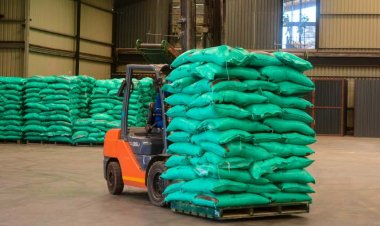
Two of the most contentious issues are GM crops and dairy certification requirements. The US wants India to allow imports of GM crops like soybean meal and distillers dried grains with solubles (DDGS) for animal feed. While some Indian government think tanks initially considered selective imports, the idea was quickly shelved after public outrage and expert warnings about the difficulty of preventing GM contamination.
On the dairy front, India has maintained strict certification rules that prohibit imports from animals fed animal-derived products. This policy is rooted in deep-seated religious and cultural sensitivities, particularly among vegetarians. The US views these requirements as unnecessary trade barriers, but India has declared them a non-negotiable "red line," with little room for compromise.
"India's dairy policy is not just economic but tied to culture, livelihoods, and nutrition," said Dr. Meera Ghosh, an agri-policy analyst.
Broader Economic and Geopolitical Tensions
The trade talks are not just about agriculture. The US is also pushing for large-scale commercial deals and a relaxation of India's FDI restrictions in multi-brand retail. Simultaneously, the US has slapped tariffs on India's auto components and steel, two other key export sectors.
India, however, appears to be digging in its heels. Its new stance, as one source put it, is that it "would rather have no deal than accept a bad one." In the face of the US tariffs, India's Ministry of External Affairs called the move "unfair, unjustified, and unreasonable," and vowed to "take all actions necessary to protect its national interests."
This trade dispute is unfolding against a backdrop of broader geopolitical shifts. While the US imposes tariffs on India for its Russian oil imports, it has yet to do so on China, a much larger buyer. In response, India is reportedly exploring new trade relationships with the UK, UAE, and other countries, and Prime Minister Modi is preparing for his first visit to China in over seven years, signaling a potential realignment of its diplomatic and economic priorities.
As the August 1 deadline for a bilateral trade deal came and went without an agreement, a new round of talks is scheduled. But with both sides holding firm on core issues, particularly the fate of India's farmers, a resolution appears to be a long way off.