
More than 451,000 Heat Deaths Projected from Super El Niño; India Fourth Among Countries Worst Hit
The Climate Impact Lab projects more than 451,000 additional heat-related deaths globally over the next six months due to Super El Niño, including 15,800 ± 1,600 in India, which ranks fourth among countries worst hit. The report urges immediate action through early warnings, cooling centres and protections for outdoor workers.

 Join the RuralVoice whatsapp group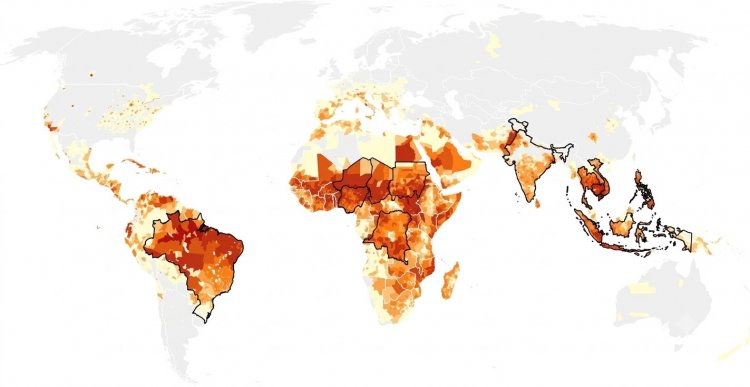
A new Climate Impact Lab report projects that the current “Super El Niño” could result in more than 451,000 additional heat-related deaths globally over the next six months, with India ranking fourth among the countries expected to face the highest toll. The report estimates 15,800 ± 1,600 additional heat-related deaths in India between September 2026 and February 2027.
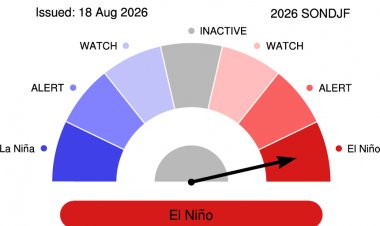
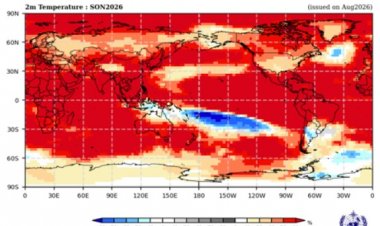
The projected deaths are linked to unusually high temperatures associated with the current El Niño, which began in June and is expected to continue through the Northern Hemisphere spring. Scientists project global land temperatures to be 1.2°C above normal in the coming months, with the event expected to produce 44% more extremely hot days than in a normal year.
According to the report, nearly half of India’s projected additional heat-related deaths are expected to occur between December and February. The mortality impact is also expected to continue rising into the country’s summer months.
The report says the projected 451,000 deaths during the first six months of El Niño are about 65 times the 6,800 people believed to have died or gone missing in the recent Nepal flash flood. The projected heat mortality is expected to be concentrated largely in the Global South.
Africa’s Sahel region is projected to record 66,800 additional heat-related deaths over the next six months. Nigeria alone could see 31,400 deaths, followed by Sudan with 17,500, Niger with 10,000 and Chad with 8,000.
In Southeast Asia, extreme heat associated with El Niño is projected to cause 19,400 additional deaths across the Philippines, Vietnam, Thailand and Cambodia, while Indonesia could record 19,300 deaths. Brazil is projected to be the worst-affected country in South America, with an estimated 13,300 additional heat-related deaths.
The Climate Impact Lab said immediate action in high-risk regions could prevent tens of thousands of deaths. Measures identified in its Adaptation Inventory include early warning systems, cooling centres and protections for outdoor workers. However, the report notes that many of these interventions have so far been tested only in a limited number of locations.
The report does not mention the impact on developed countries. However, 2026 has also turned out to be the hottest year on record so far for Europe. The region has recorded 35,000 additional heat-related deaths this year, including 16,000 deaths in Germany alone.
The researchers describe this year’s El Niño as a “postcard from our future”, because the temperatures associated with the event resemble levels that climate change is projected to produce about 20 years from now. They said the episode highlights the need for longer-term investment in temperature forecasting, cooling technologies and adaptation planning. The Climate Impact Lab said it will continue updating its projections of additional deaths as El Niño progresses.