

Global Sugar Production to Decline 5% in 2026-27, India Output Seen Falling to 29.5 Million Tonnes: USDA
Global sugar production is projected to decline 5 per cent to 178.1 million tonnes in 2026-27, while stocks may fall to a 15-year low. India's output is forecast at 29.5 million tonnes, with exports declining to 3.1 million tonnes.

 Join the RuralVoice whatsapp group
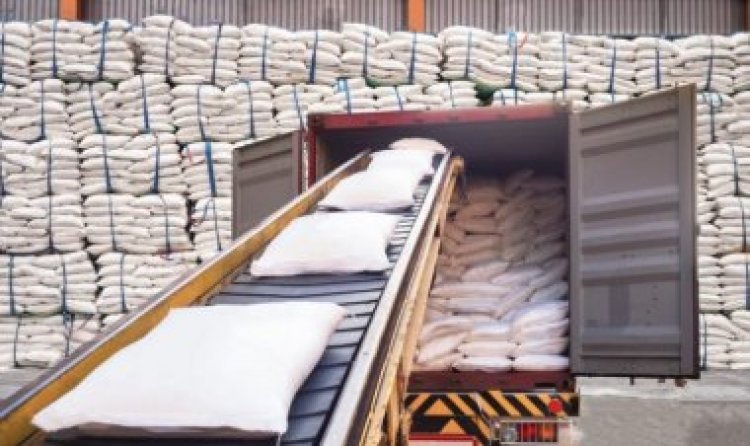
Global sugar production is projected to decline by around 5 per cent to 178.1 million metric tonnes in the 2026-27 marketing year, compared with the revised estimate for 2025-26, as lower output in major producing countries, including India, Brazil and the European Union, outweighs production gains in China and Russia. The decline in production, alongside largely stable consumption, is expected to tighten global supplies and reduce sugar stocks to their lowest level in 15 years.
According to the November 2026 report Sugar: World Markets and Trade, released by the United States Department of Agriculture's Foreign Agricultural Service (USDA-FAS), global sugar consumption is forecast at 176.4 million tonnes in 2026-27, almost unchanged from the previous marketing year. With consumption growth outpacing production, global ending stocks are projected to fall by 12 per cent to 39.8 million tonnes, the lowest since 2011-12.
Global sugar exports are forecast to decline by 5 per cent to 61.5 million tonnes, while imports are expected to fall by 4 per cent to 55.2 million tonnes. Lower import demand from China, India and the United Arab Emirates is expected to outweigh increased purchases by the United States, Saudi Arabia and Turkey.
India's sugar production and exports to decline
India's sugar production is forecast at 29.5 million tonnes in 2026-27, down 500,000 tonnes from the estimated 30 million tonnes in 2025-26. The USDA attributes the decline primarily to weak rainfall during the southwest monsoon season, which affected sugarcane output and reduced sugar recovery from cane.
At the same time, domestic sugar consumption is projected to increase by 2 per cent to 30.8 million tonnes. Growing industrial demand, supported by urbanisation and rising incomes, is expected to remain the principal driver of consumption, particularly through higher demand for products such as soft drinks and baked goods.
To meet domestic requirements, India is expected to import around 3 million tonnes of sugar, including 1 million tonnes of duty-free imports under the tariff-rate quota (TRQ). However, the country will increasingly depend on existing inventories to bridge the gap between production and consumption.
India's ending stocks are projected to decline to 4.3 million tonnes, the lowest level in 20 years. Sugar exports are forecast to fall 13 per cent to 3.1 million tonnes, their lowest level in a decade, reflecting reduced domestic availability.
The USDA's trade outlook also projects India's sugar imports at 3.03 million tonnes in 2026-27, compared with 3.33 million tonnes in 2025-26. The lower trade estimate reflects the expected availability of duty-free imports and the smaller domestic crop.
Brazil faces production setback
Brazil, the world's largest sugar producer and exporter, is expected to witness a significant decline in production. Its sugar output is forecast to fall 6 per cent to 40.5 million tonnes in 2026-27, a reduction of 3 million tonnes from the previous year.
Heavy rainfall in Brazil's centre-south region has affected sugarcane quality and reduced sugar recovery. Consequently, a larger share of the cane crop is expected to be diverted towards ethanol production.
Brazilian sugar exports are projected to decline by around 7 per cent to 31.7 million tonnes. Since exports account for more than 70 per cent of the country's sugar use in most years, the reduction could have a considerable impact on international availability. Domestic consumption is also expected to decline 7 per cent to 8.8 million tonnes.
European Union and Thailand face contrasting trends
Sugar production in the European Union is forecast to decline sharply by 19 per cent to 13.1 million tonnes. Lower sugar beet acreage, following weaker prices in 2025-26, and a historically hot and dry summer have adversely affected production.
EU sugar consumption is projected to decline marginally by 1 per cent to 15.6 million tonnes. Imports are expected to increase by more than 20 per cent to 2.2 million tonnes to compensate for the production shortfall. Exports, however, are forecast at just 600,000 tonnes, a record low for the region.
Thailand is also expected to experience a production decline, with output projected at 9.5 million tonnes, down 18 per cent year-on-year. El Nino-related weather conditions are likely to reduce sugarcane yields, while competition from cassava is expected to limit cane acreage.
Despite lower production, Thailand's exports are forecast to increase 13 per cent to 7 million tonnes from 6.2 million tonnes in 2025-26. Strong demand from price-sensitive importing countries is expected to support shipments, allowing Thailand to compensate partly for supply shortages from other exporters.
China builds stocks as imports decline
China presents a contrasting picture in the global sugar market. Its production is forecast to increase to 13.4 million tonnes in 2026-27, supported by a larger sugarcane crop. However, slower consumption growth and higher domestic production are reducing the country's dependence on imports.
According to the USDA, China's sugar deficit is estimated at 2.4 million tonnes in 2025-26, 42 per cent lower than the previous year and the lowest in a decade. Imports are projected to decline from 4.3 million tonnes in 2025-26 to 3.6 million tonnes in 2026-27.
The report also points to changing consumer preferences, with growing demand for low-sugar and sugar-free beverages and similar trends in bakery and confectionery products. China's ending stocks are projected to increase to 4.5 million tonnes in 2026-27.