US–India Unveil Interim Trade Framework; India to Cut Tariffs on US Food and Agri Products
The United States and India have unveiled an interim trade framework aimed at lowering tariffs, expanding market access, and deepening cooperation in energy and technology.

 Join the RuralVoice whatsapp group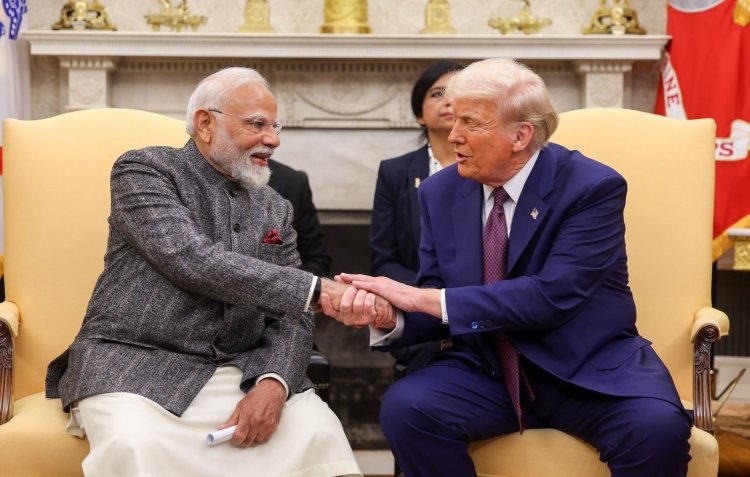
The United States and India on Friday unveiled a joint statement outlining an interim trade framework that moves both countries closer to a broader bilateral trade agreement. The framework focuses on lowering tariffs, reshaping energy ties, and deepening economic cooperation.
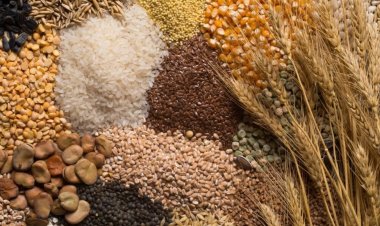
According to the joint statement, India will eliminate or reduce tariffs on all US industrial goods and a wide range of US food and agricultural products. These include dried distillers’ grains (DDGs), red sorghum for animal feed, tree nuts, fresh and processed fruits, soybean oil, wine and spirits, and several other products. Both countries have committed to providing sustained preferential market access to each other in sectors of mutual interest.
The United States will apply a reciprocal tariff rate of 18 percent on originating Indian goods, covering sectors such as textiles and apparel, leather and footwear, plastic and rubber products, organic chemicals, home décor, artisanal goods, and certain machinery. The US will remove reciprocal tariffs on a wide range of Indian exports, including generic pharmaceuticals, gems and diamonds, and selected aircraft and aircraft parts. India will also receive a preferential tariff rate quota for automotive parts.
The framework also places strong emphasis on energy and strategic purchases. India has indicated its intention to purchase USD 500 billion worth of US energy products, aircraft and aircraft parts, precious metals, technology products, and coking coal over the next five years. In addition, both countries agreed to significantly expand trade in advanced technology products, including graphics processing units (GPUs) and other data center-related equipment, alongside deeper joint technology cooperation.
The interim framework reaffirms the commitment of both governments to continue negotiations toward a comprehensive bilateral trade agreement, while acknowledging that further talks are required to finalize the pact. The United States and India will also address non-tariff barriers that affect bilateral trade.
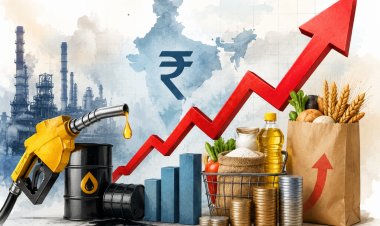
Earlier this week, US President Donald Trump announced that the United States would reduce tariffs on Indian goods from 50 percent to 18 percent, citing India’s steps to lower trade barriers and its commitment to halt direct or indirect imports of Russian oil. Subsequently, the US also removed the additional 25 percent tariffs imposed on India for purchasing Russian oil, noting that New Delhi had taken “significant steps” on the issue.
Prime Minister Narendra Modi said the interim agreement would strengthen ‘Make in India’ by opening new opportunities for India’s hardworking farmers, entrepreneurs, MSMEs, startup innovators, fishermen, and others. He said the agreement would generate large-scale employment for women and young people.
Commerce and Industry Minister Piyush Goyal said that no concessions have been extended to sensitive agricultural sectors, including grains, fruits, vegetables, spices, oilseeds, dairy, poultry, and meat, while securing preferential access for Indian goods through the India–US interim agreement framework. He added that the pact would open access to a USD 30 trillion market for Indian exporters, particularly MSMEs, farmers, and fishermen.
“The agreement reflects India’s commitment to safeguarding farmers’ interests and sustaining rural livelihoods by completely protecting sensitive agricultural and dairy products, including maize, wheat, rice, soya, poultry, milk, cheese, ethanol (fuel), tobacco, certain vegetables, and meat,” Goyal said.
The United States and India commit to addressing discriminatory or burdensome practices and other barriers to digital trade and to setting a clear pathway to achieve robust, ambitious, and mutually beneficial digital trade rules as part of the BTA.