
Monsoon Loses Momentum Amid El Niño Concerns; Maharashtra Records 75% Rainfall Deficit, Farmers Advised Against Early Sowing
India's southwest monsoon has lost momentum after its onset in Kerala, with Maharashtra recording a 75 percent rainfall deficit and central India witnessing a 61 percent shortfall. The Maharashtra government has advised farmers against premature sowing amid concerns that prolonged dry spells and below-normal rainfall could affect kharif crop cultivation.

 Join the RuralVoice whatsapp group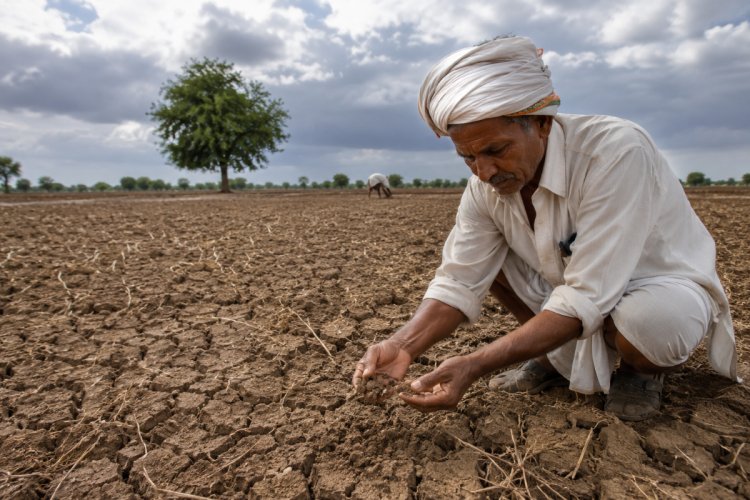
The southwest monsoon, already facing the threat of El Niño this year, has almost come to a standstill after its onset over Kerala on June 4. Several states in southern India have received below-normal rainfall since then, raising concerns over the progress of the ongoing kharif season.
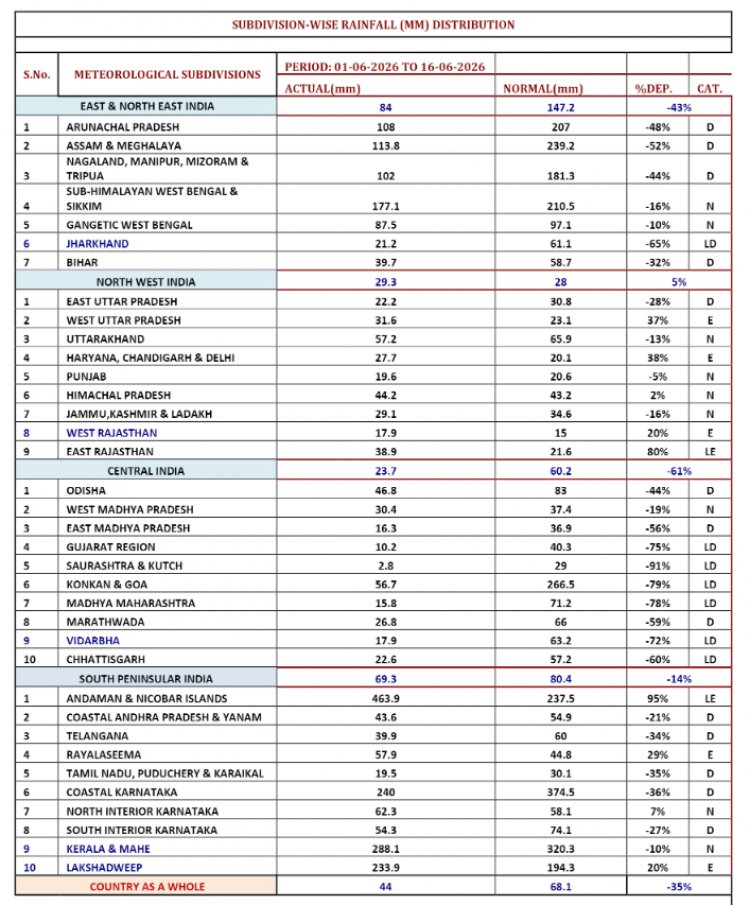
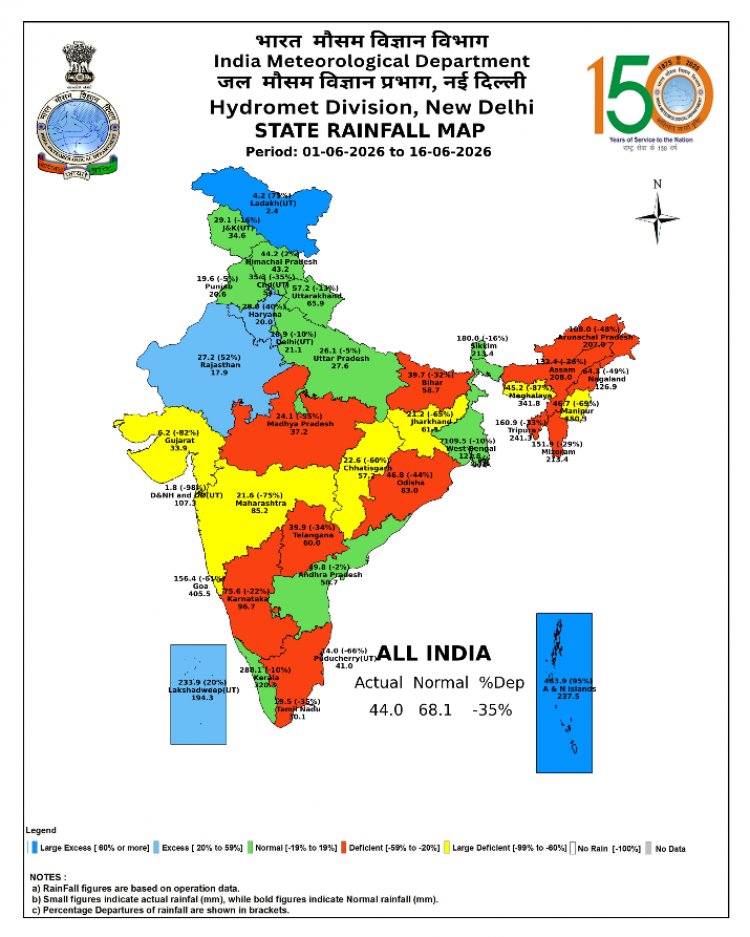
Maharashtra, one of India's major agricultural states, has recorded a severe rainfall deficit. Between June 1 and June 16, the state received only 21.6 mm of rainfall, which is 75 percent below the normal level for the period. Across the country, rainfall during the same period remained 35 percent below normal.
The slow advancement of the monsoon in Maharashtra has heightened concerns about kharif crop sowing. A crop condition review report presented before the state cabinet on Tuesday highlighted the emerging risks associated with delayed and deficient rainfall. In response, the state government has advised farmers not to rush into sowing operations and to wait until adequate and sustained rainfall is received.
Officials cautioned that sowing based on initial light showers could expose crops to damage if prolonged dry spells follow. The government has repeatedly warned farmers not to treat scattered pre-monsoon showers as a sign of stable monsoon conditions.
The situation remains particularly worrying in Vidarbha, Marathwada and several parts of central Maharashtra, where monsoon progress has been sluggish. Although some areas received rainfall in recent days, soil moisture levels remain insufficient across much of the region.
Central India Faces Prolonged Wait for Monsoon
According to the India Meteorological Department (IMD), rainfall between June 1 and June 16 was 72 percent below normal in Vidarbha and 78 percent below normal in central Maharashtra. Several districts have reported temperatures exceeding 42 degrees Celsius, with heatwave-like conditions persisting in many areas.
Recent weather forecasts suggest that many parts of central and northern India may receive below-normal rainfall during the second half of June. Such a scenario could adversely affect the sowing of major kharif crops, including paddy, soybean, cotton and pulses.
Central India Records 61% Rainfall Deficit
While India as a whole received 35 percent less rainfall than normal during the first half of June, the regional distribution of rainfall has been highly uneven.
Central India, which is heavily dependent on monsoon rains for agriculture, recorded a rainfall deficit of 61 percent during the period. Saurashtra and Kutch witnessed an alarming 91 percent shortfall, while Konkan and Goa recorded 79 percent below-normal rainfall. Chhattisgarh received 60 percent less rainfall than normal.
The situation is equally concerning in eastern and northeastern India, where rainfall remained 43 percent below normal between June 1 and June 16. The widespread rainfall deficits across major agricultural regions have raised concerns about the timely sowing of kharif crops and the overall outlook for the 2026 monsoon season.
Meteorologists and agricultural experts are closely monitoring monsoon developments over the coming weeks, as the arrival of widespread and sustained rainfall will be crucial for ensuring a successful kharif season and safeguarding farm incomes.