Farmers' Body ICCFM Urges PM to Keep Agriculture Out of India-US Trade Deal, Flags Risks to MSP and Food Security
The Indian Coordination Committee of Farmers Movements (ICCFM) has urged Prime Minister Narendra Modi to exclude agriculture from the proposed India-US trade agreement, warning that lower import tariffs, changes to MSP and greater access for subsidised US farm products could adversely affect farmers' livelihoods, food security and seed sovereignty.
 Join the RuralVoice whatsapp group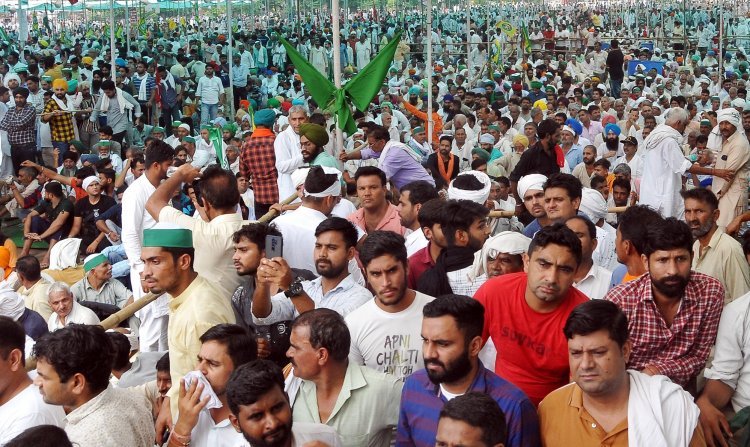
The Indian Coordination Committee of Farmers Movements (ICCFM), a coalition of farmers' organisations from 13 states, has appealed to Prime Minister Narendra Modi to keep agriculture out of the proposed India-US trade agreement, expressing concern that any concessions in the farm sector could adversely affect the livelihoods of millions of Indian farmers.
In a letter addressed to the Prime Minister, the farmers' body said it was deeply concerned over the ongoing negotiations for a bilateral trade agreement between India and the United States, which have been underway since February 2025. The committee referred to media reports indicating that an interim agreement is close to being finalised.
The ICCFM, which represents farmers' organisations from Uttar Pradesh, Haryana, Punjab, Himachal Pradesh, Madhya Pradesh, Jharkhand, Chhattisgarh, Odisha, Bihar, Karnataka, Tamil Nadu, Kerala and Maharashtra, said recent statements by US officials seeking greater access to India's agricultural market have heightened concerns among farmers. Yudhvir Singh, General Secretary, ICCFM, Rakesh Tikait, National Spokesperson, Bhartiya Kisan Union (BKU) and other farmer leaders are signatory to this letter.
According to the letter, publicly available information suggests India may reduce import tariffs on several US agricultural products, including cotton, red sorghum, soybean oil and processed fruits. The committee argued that Indian farmers cultivating these crops would struggle to compete against heavily subsidised imports from the United States if tariff protection is reduced.
The farmers' body also expressed concern that the agreement could facilitate increased imports of subsidised US dairy and poultry products and potentially allow the entry of genetically modified maize into India. It further claimed that the United States has been pressing India at the World Trade Organization (WTO) to modify its Minimum Support Price (MSP) system. The committee warned that any commitment on MSP under the proposed agreement, or through any related understanding, could adversely affect millions of rice and wheat farmers.
The letter also raised concerns over seed sovereignty, alleging that intellectual property provisions commonly included in US trade agreements could restrict farmers' traditional rights to save and exchange seeds while strengthening the market position of multinational seed companies.
The ICCFM urged the Prime Minister not to include agriculture in any free trade agreement with the United States and instead focus on addressing agricultural subsidy issues at the WTO. It argued that India should challenge US farm subsidies, which it said undermine India's domestic support framework while allowing American farmers to benefit from substantial government assistance.
The farmers' organisation said Indian farmers should not be subjected to what it described as unfair competition from subsidised agricultural imports. While acknowledging the Prime Minister's repeated assurances that the interests of farmers, fishermen and dairy and poultry producers would be protected during trade negotiations, the committee said the India-US Joint Statement issued on February 6 had not adequately addressed these concerns.
The ICCFM urged the government to honour its commitment to safeguard Indian agriculture and refrain from signing any interim trade agreement that, according to the organisation, could compromise the interests of the country's farming community.