
India’s Wheat Consumption to Surpass Production by 2035, Ethanol Production to Double: OECD-FAO Outlook
India is projected to record steady growth in the production of cereals, pulses, oilseeds, sugar, cotton, poultry, fisheries and biofuels by 2035, according to the OECD-FAO Agricultural Outlook 2026-2035. Rising domestic demand will drive much of the expansion, while exports are expected to strengthen in selected commodities such as rice, fish and cotton.

 Join the RuralVoice whatsapp group
India's agricultural sector is expected to witness sustained growth across major crops, livestock and biofuel segments over the next decade, with rising domestic demand driving higher production of food grains, pulses, edible oils, sugar, poultry, fisheries and ethanol, according to the OECD-FAO Agricultural Outlook 2026-2035. While the country is projected to remain a major exporter of rice, fish and cotton, import dependence is likely to continue for edible oils and, to a lesser extent, pulses.
Wheat Consumption to Rise More than Production
India's wheat production is projected to increase from an average 1137.84 lakh tonnes during 2023-25 to 1350.49 lakh tonnes by 2035. Domestic consumption is expected to rise from 1124.76 lakh tonnes to 1353.37 lakh tonnes, reflecting growing food demand. It means, by the year 2035, domestic consumption of wheat will surpass the production.
According to the Outlook, India alone will contribute about 29% of the increase in global wheat production through 2035, driven mainly by higher yields along with modest expansion in harvested area. By the end of the projection period, China, India and the European Union together are expected to account for nearly two-thirds of global wheat production, highlighting the growing concentration of wheat output among a few major producers.
Domestic demand, however, is expected to absorb most of India's additional wheat production. The report projects that India and Pakistan together will account for nearly one-third of the increase in global wheat consumption, reflecting population growth and continued dependence on wheat as a staple food.
Because of rising domestic consumption, India is expected to remain only a limited participant in international wheat trade. Wheat exports are projected to decline from 2.58 lakh tonnes to just 93 thousand tonnes, while imports are expected to remain largely stable at around 111 thousand tonnes.
India to Retain Export Leadership in Rice
Rice production is forecast to increase from 1461.69 lakh tonnes to 1711.62 lakh tonnes by 2035. Domestic consumption is expected to grow from 1213.67 lakh tonnes to 1352.21 lakh tonnes.
India is expected to account for more than half of the increase in global rice production by 2035, making it the single largest contributor to additional world rice supplies. Unlike several major producers where rice acreage is projected to decline, expansion of harvested area in India is expected to offset falling rice area in China, Vietnam, Brazil and Pakistan, while productivity improvements will further raise output.
Exports are projected to surge from 202.06 lakh tonnes to 368.93 lakh tonnes, reinforcing India's position as the world's leading rice exporter. Rice imports are expected to remain negligible.
India is projected to account for around 45% of global rice exports by 2035, reinforcing its dominance in international markets. Thailand, Vietnam, Pakistan and the United States will continue to be major exporters, but none is expected to match India's export volumes.
India Commodity Projections: Production and Consumption
|
Commodity |
Production 2023-25 |
Production 2035 |
Consumption 2023-25 |
Consumption 2035 |
|
Wheat |
1137.84 |
1350.49 |
1124.76 |
1353.37 |
|
Rice |
1461.69 |
1711.62 |
1213.67 |
1352.21 |
|
Maize |
406.49 |
513.86 |
401.71 |
508.21 |
|
Other coarse grains |
189.79 |
240.68 |
191.42 |
241.81 |
|
Pulses |
259.60 |
307.23 |
- |
- |
|
Soybean |
141.14 |
160.19 |
147.24 |
189.71 |
|
Other oilseeds |
207.56 |
249.65 |
203.52 |
247.43 |
|
Vegetable oils |
123.19 |
150.88 |
294.70 |
359.95 |
|
Sugar |
297.44 |
359.27 |
288.05 |
367.56 |
|
Poultry Meat |
52.22 |
74.10 |
52.14 |
74.09 |
|
Eggs |
80.95 |
136.20 |
- |
- |
|
Fish & seafood |
183.10 |
209.93 |
159.97 |
181.34 |
|
Milk |
2474.77 |
3805.86 |
- |
- |
|
Cotton |
53.10 |
64.18 |
55.17 |
65.61 |
|
Ethanol (Bn L) |
9.124 |
19.197 |
9.545 |
20.552 |
(Figures in lakh tonnes, Source: OECD FAO Agricultural Outlook 2026-2035)
Maize and Coarse Grains to Expand
Maize production is projected to rise from 406.49 lakh tonnes in 2023-25 to 513.86 lakh tonnes by 2035, with consumption increasing to 508.21 lakh tonnes from 401.71 lakh tonnes. Maize exports, however, are expected to decline from 10.33 lakh tonnes to 8.82 lakh tonnes.
Globally, maize is expected to record the fastest production growth among cereals. World maize production is projected to increase by about 17.1 crore tonnes, reaching around 1.43 billion tonnes by 2035, largely in response to rising demand for livestock feed and industrial uses such as ethanol production.
In India, production of other coarse grains is projected to grow from 189.79 lakh tonnes to 240.68 lakh tonnes, while consumption is expected to increase from 191.42 lakh tonnes to 241.81 lakh tonnes over the same period.
Pulses Output to Cross 300 lakh Tonnes
India's pulses production is projected to rise from 259.60 lakh tonnes during 2023-25 to 307.23 lakh tonnes by 2035. Per capita consumption is expected to increase from 14.5 kg to 15.3 kg during this period.
The report projects that India will continue to account for the largest share of global pulse consumption, with pulses remaining an important source of affordable protein in Indian diets.
Despite higher production, India is expected to continue importing pulses, particularly during years of lower domestic output. Canada and Australia are projected to remain India's principal pulse suppliers, while Russia and several East African countries are expected to strengthen their presence in global pulse exports.
Dairy Output to Maintain India's Global Leadership
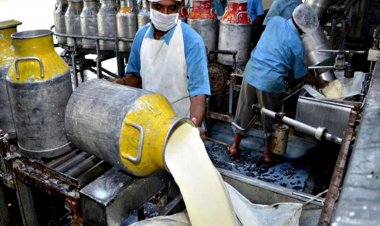
India is expected to further strengthen its position as the world's largest milk producer, with milk output continuing to grow faster than the global average through 2035.
According to the Outlook, most of the increase will come from larger dairy herds and gradual improvements in animal productivity, supported by better breeding, feeding practices and animal health management.
Unlike many developed countries where dairy demand has stabilised, India's milk consumption is projected to rise steadily, driven by population growth, higher incomes and expanding demand for value-added dairy products.
Globally, milk production growth is expected to be led by India and Pakistan, while the European Union, the United States and New Zealand will remain major exporters of butter, cheese, skim milk powder and whole milk powder.
The report notes that India's dairy sector is primarily focused on meeting domestic demand, and therefore its participation in global dairy exports is expected to remain relatively limited compared with New Zealand, the European Union and the United States.
Soybean, Oilseeds and Vegetable Oils
Soybean production is expected to increase from 141.14 lakh tonnes to 160.19 lakh tonnes by 2035, while domestic consumption may reach 189.71 lakh tonnes from 147.24 lakh tonnes, resulting in higher imports, which are projected to rise from 5.6 lakh tonnes to nearly 2.97 lakh tonnes. Production of other oilseeds is projected to increase from 207.56 lakh tonnes to 249.65 lakh tonnes by 2035.
Despite higher domestic production, India's dependence on imported edible oils is expected to continue. India is expected to remain one of the world's largest consumers and importers of vegetable oils over the next decade as domestic demand continues to grow faster than production.
Vegetable oil production is forecast to increase from 123.19 lakh tonnes to 150.88 lakh tonnes, but consumption is expected to climb faster—from 294.70 lakh tonnes to 359.95 lakh tonnes. As a result, imports are projected to rise from 170.40 lakh tonnes to 211.48 lakh tonnes by 2035.
Sugar Output to Increase
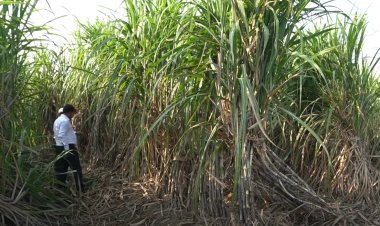
Sugar production is projected to increase from 297.44 lakh tonnes during 2023-25 to 359.27 lakh tonnes by 2035, while domestic consumption is expected to reach 367.56 lakh tonnes from 288.05 lakh tonnes. Sugar exports are projected to decline to 13.33 lakh tonnes, whereas imports may increase slightly to 24.35 lakh tonnes. Sugarcane production is forecast to rise sharply from 3880.83 lakh tonnes to 5633.87 lakh tonnes over the outlook period.
The report projects that India will continue to record growth in sugarcane production, supported by yield improvements and better farm practices. However, unlike previous years, a growing share of sugarcane is expected to be diverted for ethanol production under the country's biofuel programme, reducing the proportion of cane processed into sugar.
Despite this shift, India is expected to remain one of the world's largest sugar producers and consumers. Rising domestic demand, driven by population growth and expanding food processing industries, is likely to absorb much of the additional production.
Brazil will continue to dominate the global sugar export market owing to its highly competitive sugarcane industry and flexible processing capacity, allowing mills to switch between sugar and ethanol depending on market conditions. Thailand is expected to remain another major exporter, while several Asian and African countries will continue to rely on sugar imports to meet domestic demand.
Poultry, Eggs and Fisheries to Grow Steadily
Poultry meat production is expected to increase from 52.22 lakh tonnes to 74.10 lakh tonnes by 2035, with domestic consumption rising at a similar pace. Egg production is projected to grow from 80.95 lakh tonnes to 136.20 lakh tonnes.
Fish and seafood production is forecast to increase from 183.10 lakh tonnes to 209.93 lakh tonnes, while exports are expected to rise from 16.52 lakh tonnes to 20.15 lakh tonnes, underlining the sector's growing contribution to agricultural exports.
Domestic Fruits Consumption to Outpace Export Growth
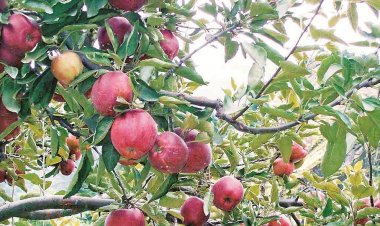
India's rapidly expanding middle class is expected to increase consumption of fresh fruits, processed fruit products and value-added horticultural items over the next decade. The report notes that higher incomes and growing awareness of healthy diets are shifting consumer preferences towards fruits and vegetables, increasing domestic demand faster than population growth alone.
As a result, a large proportion of India's additional fruit production is expected to be absorbed within the domestic market. Although exports are projected to increase gradually, India's participation in global fruit trade is expected to remain relatively modest compared with major exporters because domestic demand will continue to dominate production.
Countries in Latin America, particularly Ecuador, Chile, Peru and Mexico, are expected to remain among the leading fruit exporters, while the European Union and the United States will continue to be major import markets.
Cotton and Biofuels
Cotton production is projected to rise from 53.10 lakh tonnes to 64.18 lakh tonnes by 2035. Consumption is expected to increase from 55.17 lakh tonnes to 65.61 lakh tonnes, while exports may recover slightly to 3.89 lakh tonnes.
Alongside China, India, the United States, Brazil and Pakistan, India will remain one of the principal cotton-producing countries. Domestic production is expected to benefit from improvements in seed technology, irrigation and farm management, although weather variability will remain an important risk.
India is also expected to remain one of the world's largest cotton consumers because of its extensive textile and garment industry. Much of the country's cotton output is therefore expected to be absorbed domestically, limiting export availability in years of strong internal demand.
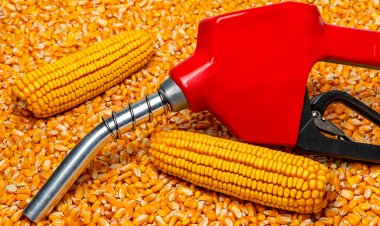
Among biofuels, ethanol is projected to record one of the fastest growth rates. Production is expected to more than double from 9.12 billion litres during 2023-25 to 19.19 billion litres by 2035, while fuel use is expected to increase from 7.6 billion litres to 18.56 billion litres.
Biodiesel production is also projected to increase from 44.8 crore litres to 1.06 billion litres by 2035.
The Outlook suggests that India's agricultural growth over the next decade will be driven primarily by rising domestic demand, supported by gradual productivity improvements. While the country is expected to strengthen its position in global rice, fisheries and cotton markets, reducing dependence on imports of edible oils and some oilseed products is likely to remain a key challenge through 2035.
World Cereal Production to Increase
According to the OECD-FAO Agricultural Outlook 2026-2035, world cereal production is projected to increase by nearly 38.5 crore tonnes to around 3.38 billion tonnes by 2035, with almost 76% of the additional output coming from yield improvements, 15% from expansion in harvested area and the remainder from increased cropping intensity. Global cereal consumption is projected to increase steadily over the next decade, reaching about 3.25 billion tonnes by 2035. Asia is expected to account for more than half of this increase.
International cereal trade is projected to remain critical for balancing food-deficit and surplus regions. By 2035, about 18% of global cereal production is expected to be traded internationally, compared with around 17% currently.
The report says cereals will continue to form the foundation of global food security, with maize, wheat and rice accounting for the bulk of production and consumption. While China and the United States will remain dominant across several cereal markets, India is projected to strengthen its contribution to global cereal supplies, particularly in rice and wheat.