
India's Edible Oil Import Bill May Cross Rs. 1.75 Lakh Crore as Delayed Monsoon Raises Oilseed Production Concerns
India's edible oil import bill is expected to exceed Rs. 1.75 lakh crore this year as delayed monsoon rains, slower Kharif oilseed sowing and volatile global markets raise concerns over domestic production.

 Join the RuralVoice whatsapp group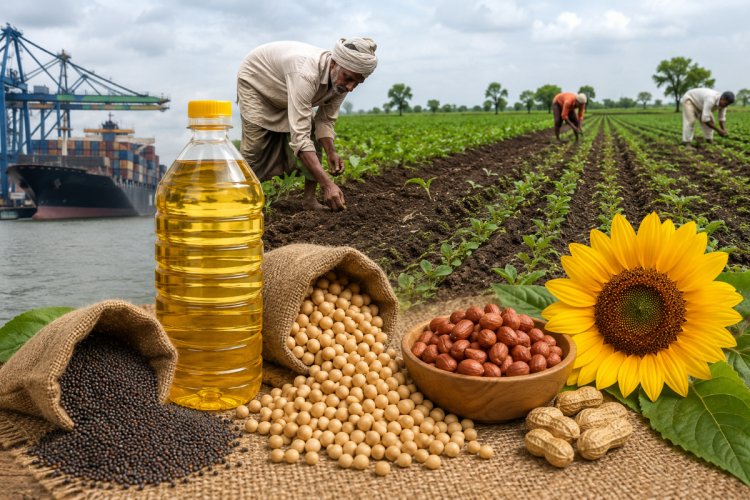
India's edible oil import bill is projected to cross an unprecedented Rs. 1.75 lakh crore in the current oil year, driven by higher global prices, a weaker rupee and concerns over domestic oilseed production due to a delayed and uneven southwest monsoon, according to the Solvent Extractors' Association of India (SEA).
In a letter to members, SEA President Sanjeev Asthana said the country is facing a critical juncture in its edible oil sector, with weather uncertainties and global market developments threatening to deepen India's dependence on imports unless domestic oilseed production is significantly strengthened.
Delayed Monsoon Raises Concerns Over Kharif Oilseeds
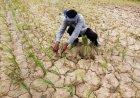
SEA said the southwest monsoon has been uneven across several major oilseed-growing regions, resulting in slower Kharif sowing of groundnut, soybean and sunflower.
According to sowing data as of July 17, total oilseed acreage stood at 147 lakh hectares, down from 155.7 lakh hectares during the corresponding period last year, a decline of 8.6 lakh hectares.
The association warned that rainfall during the August-September flowering stage will be crucial. Weak rainfall during this period could reduce yields and lower reservoir levels, potentially affecting both the ongoing Kharif crop and the upcoming Rabi season.
However, SEA noted that delayed sowing does not always result in lower production, as acreage has historically recovered once rainfall improves.
Import Bill Rising Sharply
SEA highlighted that India's edible oil import bill, which was Rs. 1.61 lakh crore last year, is expected to exceed Rs. 1.75 lakh crore this year.
During the first seven months of the current oil year, the country imported more than 104 lakh tonnes of edible oils. The import bill increased from Rs. 99,000 crore to Rs. 1.19 lakh crore, an increase of nearly Rs. 20,000 crore over the same period.
According to the association, the rising import bill represents a significant outflow of foreign exchange that could otherwise be invested in strengthening India's agricultural sector.
Global Factors Adding Pressure
SEA said multiple international developments are keeping edible oil prices elevated.
Indonesia's expanding biodiesel programme is diverting larger volumes of palm oil towards fuel production, tightening global edible oil supplies. At the same time, geopolitical uncertainties, along with higher freight and insurance costs, continue to support elevated international prices.
Combined with the depreciation of the rupee, these factors are increasing India's import costs and could force the country to pay significantly more for edible oil imports.
"India's long-term answer cannot lie in importing more—it must lie in producing more," Asthana said.
SEA Backs Crop Diversification
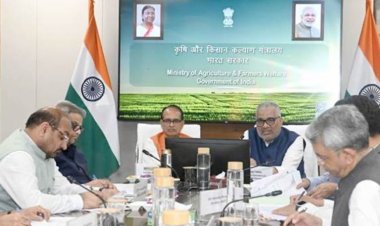
The association welcomed recent remarks by Prof. S. Mahendra Dev, Chairman of the Economic Advisory Council to the Prime Minister (EAC-PM), advocating incentive-driven crop diversification towards oilseeds and pulses.
SEA said farmers would shift towards oilseed cultivation only if it became economically attractive through better market prices, improved technologies, quality seeds, assured procurement and stronger extension services.
SEA Expands Sustainable Oilseed Mission
Building on the success of its mustard productivity programme implemented with Solidaridad, SEA has launched the SEA-Solidaridad Sustainable Oilseed Mission 2026-27 with an estimated investment of Rs. 3.5-4.0 crore.
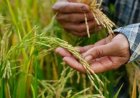
The programme aims to establish 3,400 demonstration farms, including 400 Kharif model farms for soybean and groundnut and 3,000 Rabi model farms for mustard across Rajasthan, Madhya Pradesh and Haryana. SEA said the initiative is designed to improve oilseed productivity through scientific crop management, regenerative agricultural practices and farmer capacity building.