
India Reimposes Wheat Stock Limits Until March 2026 Amid Bumper Harvest
This decision has been taken despite a record wheat harvest in the 2024-25 crop year. The Ministry of Agriculture has revised its wheat production estimate upward to 117.5 million metric tons, surpassing the previous year's output of 113.3 million tons.
 Join the RuralVoice whatsapp group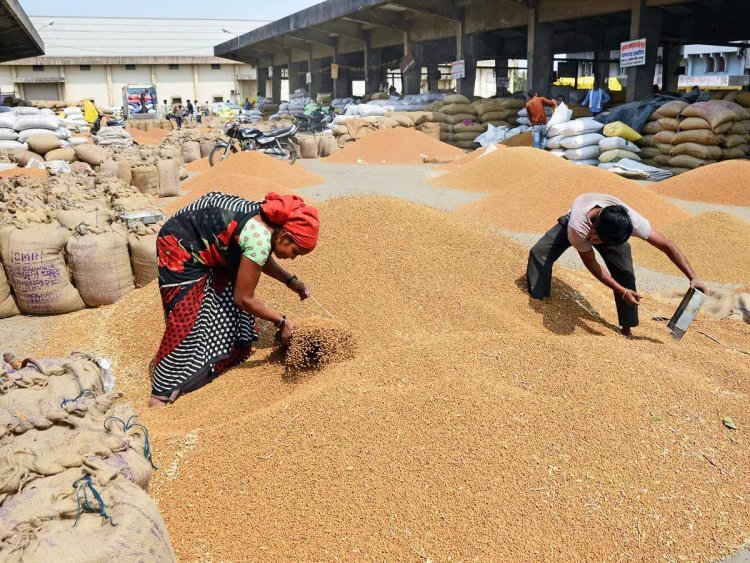
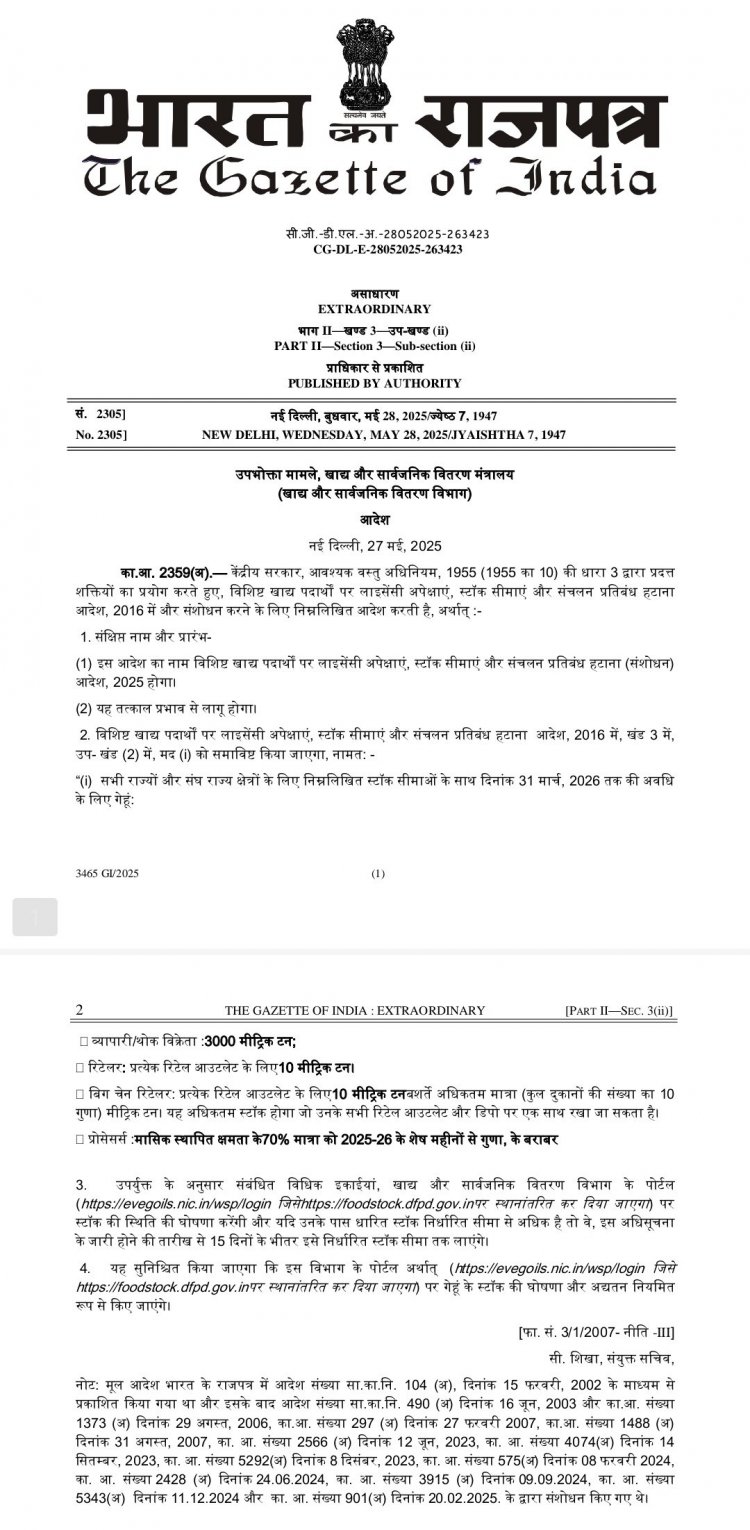
In a move to stabilize wheat prices and ensure adequate domestic availability, the central government has imposed stockholding limits on wheat for traders and retailers. According to a notification issued on Wednesday, traders are now restricted to holding a maximum of 3,000 tons of wheat, while retailers are limited to 10 tons. This measure aims to prevent hoarding and speculative trading, thereby enhancing market transparency and supply.
This decision has been taken despite a record wheat harvest in the 2024–25 crop year. The Ministry of Agriculture has revised its wheat production estimate upward to 117.5 million tons, surpassing the previous year's output of 113.3 million tons. This increase is attributed to favorable weather conditions, improved seed varieties, and supportive government policies.
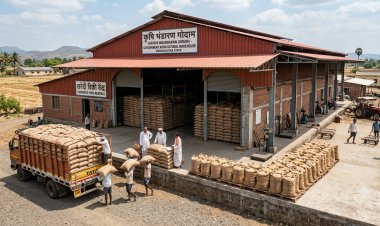
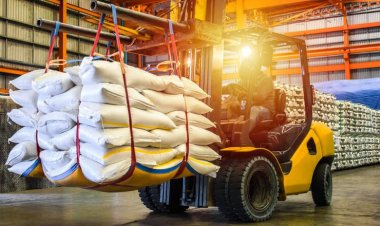
The Food Corporation of India (FCI) has capitalized on the bumper harvest, procuring 29.7 million tons of new-season wheat—the highest in four years. Combined with existing reserves, India's wheat stock now totals approximately 44 million tons, significantly exceeding the 18.4 million tons required annually for the country's food welfare program.
Despite the robust domestic supply, the government has no immediate plans to lift the wheat export ban or reduce the 40% import tax, focusing instead on building reserves to buffer against future uncertainties.
The implementation of stock limits is expected to curb inflationary pressures on wheat prices, which have been under scrutiny due to past supply challenges. By restricting the quantity of wheat that can be held by traders and retailers, the government aims to ensure a steady flow of the grain into the market, thereby stabilizing prices and safeguarding food security.